Algeria Intensifies Food Security Measures Ahead of Ramadan 2026
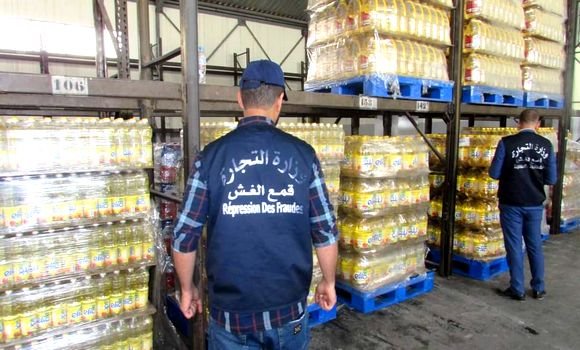
Image: Echorouk
Takeaway
The Algerian government's intensified focus on food security ahead of Ramadan presents opportunities for companies involved in food production, logistics, and storage solutions. Investors should monitor the impact of government subsidies and production targets on the profitability of local food producers. The emphasis on local production may also create challenges for international food exporters to Algeria, requiring them to adapt their strategies to compete with domestically produced goods.
As Ramadan approaches in late February 2026, Algeria is reinforcing its market control mechanisms to ensure stable supplies and prices of essential goods. Prime Minister Sifi Ghrieb visited a monitoring cell tasked with overseeing the supply of widely consumed goods, including fruits, vegetables, red and white meat, and basic necessities. This visit followed an inter-ministerial meeting on January 13, 2026, convened under Ghrieb's leadership and directed by President Abdelmadjid Tebboune, focusing on guaranteeing the uninterrupted supply of essential consumer goods across the national market. To maintain vigilance, a multi-sectoral commission attached to the Prime Minister's office will continuously monitor market supplies and price stability throughout Ramadan.
Algeria has historically struggled with reliance on food imports, making the country vulnerable to global price fluctuations. In 1997, food imports accounted for nearly one-third of all imports, totaling $2.8 billion. In response, the government launched the National Agricultural and Rural Development Programme (PNDAR) in 2002, allocating an estimated DZD 3,000 billion (~$22.2 billion) between 2000 and 2018. This program aimed to modernize farms, expand irrigation, increase arable land, and promote agricultural extension services. By 2018, arable land had increased to 8.5 million hectares, with 15% being irrigated, up from 4% in 1999.
The government is focusing on boosting local potato production, with Minister of Agriculture Yacine Oualid leading a national meeting dedicated to the sector. New measures aim to regulate the potato market, support exports, and stabilize production. Simultaneously, seven producers of cooking oil have increased their daily output from 2,400 tons to 3,600 tons, while five sugar producers have raised their production from 3,700 tons to 4,000 tons daily. These increases in production of key staples are designed to meet the anticipated surge in demand during Ramadan.
To further bolster the agriculture sector, Algeria has allocated 764.2 billion dinars (~$5.84 billion) in the 2026 Finance Bill, a 4% increase from the previous year. Of this budget, 90.25% is earmarked for agriculture and rural development programs, 6% for forestry, and 3% for general administration. Despite these efforts, Algeria's agriculture sector faces challenges, including low cereal yields, averaging 1.8 tons per hectare compared to the global average of 3.9 tons. Post-harvest losses, ranging from 20% to 30% annually, are also a major concern due to inadequate cold chain and storage infrastructure.
Looking ahead, the Algerian Red Crescent plans to distribute over 250,000 food parcels to vulnerable households nationwide. Additionally, more than 400 iftar restaurants and 17 large tents will be set up to provide free meals. These initiatives, supported by approximately 12,100 volunteers, aim to ease financial pressure on families and reinforce social cohesion during Ramadan. The government's emphasis on supplying the market is part of a broader national food security policy aimed at preventing shortages and stabilizing prices, with early state intervention designed to protect purchasing power and build confidence in the authorities' ability to regulate supply chains.