Tizi-Ouzou: 64% of Industrial Land Remains Unexploited
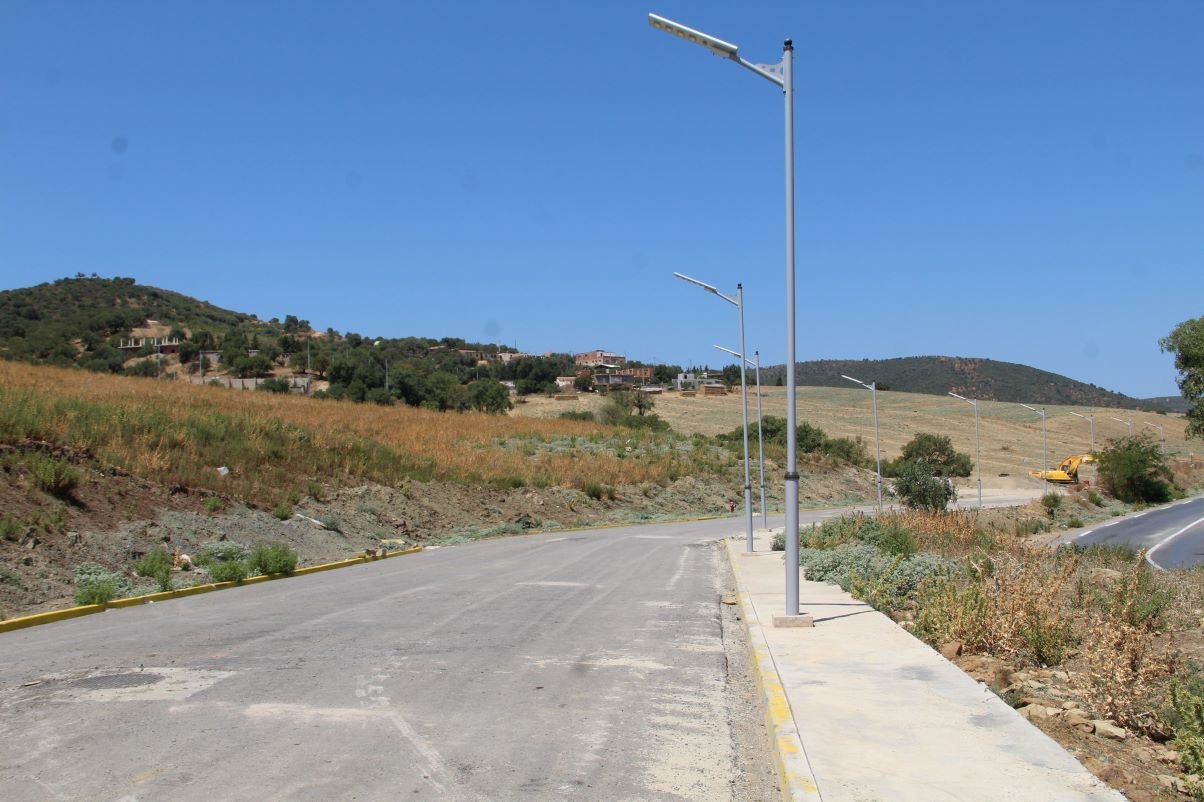
Image: Algerie Eco
Takeaway
The high percentage of unexploited industrial land in Tizi-Ouzou represents a potential opportunity for investors willing to navigate Algeria's regulatory landscape. Construction firms and industrial park developers should closely monitor government initiatives and incentives aimed at revitalizing these zones, as these could provide a first-mover advantage. Investors should also assess the specific infrastructure needs and potential for public-private partnerships to de-risk their investments.
A national seminar focusing on economic and industrial activity zones took place at the Université Mouloud Mammeri in Tizi-Ouzou on Wednesday, May 13, 2026. The seminar was initiated by the Development, Economy, Finance and Institution (DEFI) laboratory and brought together academics, local officials, and representatives from public institutions to discuss issues related to local economic development. The primary focus was the underutilization of industrial land within the Tizi-Ouzou region, where 64% of available industrial land remains unexploited.
Understanding the current state of industrial land use in Tizi-Ouzou requires a look back at Algeria's broader industrial development policies. In 2024, the Algerian government launched a program to re-evaluate industrial zones across the country, aiming to identify and repurpose underutilized land. This initiative followed the 2023 investment law, which sought to streamline bureaucratic processes and offer incentives for industrial projects, including tax breaks and access to financing. Prior to this, in 2022, a report by the Ministry of Industry highlighted that approximately 40% of industrial zones nationwide were either completely abandoned or operating at significantly reduced capacity.
Industrial land utilization rates vary significantly across Algeria's different regions. In contrast to Tizi-Ouzou's 64% unexploited rate, industrial zones in areas like Skikda, known for its petrochemical industry, have historically maintained higher occupancy rates, often exceeding 80%. However, even in these regions, challenges related to infrastructure, access to financing, and bureaucratic hurdles have hindered optimal utilization. The national average for industrial land exploitation is estimated to be around 55%, indicating a widespread issue that the government is actively trying to address.
The underutilization of industrial land in Tizi-Ouzou presents both challenges and opportunities for various stakeholders. Local businesses and entrepreneurs face limited options for expansion and new ventures, potentially hindering job creation and economic growth in the region. Conversely, the availability of unexploited land could attract new investors, particularly those seeking to establish manufacturing facilities or distribution centers. The government's focus on addressing this issue could lead to targeted incentives and support programs, benefiting companies willing to invest in the region.
Future developments hinge on the implementation of recommendations from the seminar and subsequent policy changes. A key date to watch is the end of Q3 2026, when the Ministry of Industry is expected to release a comprehensive report on the state of industrial zones nationwide, including specific action plans for regions like Tizi-Ouzou. The success of these plans will depend on factors such as the availability of financing, the streamlining of administrative procedures, and the attractiveness of incentives offered to investors. Failure to address these challenges could result in continued underutilization of industrial land, hindering Algeria's broader economic diversification goals.