Algeria Emerges as Major Investment Hub with €62.5 Billion in Projects
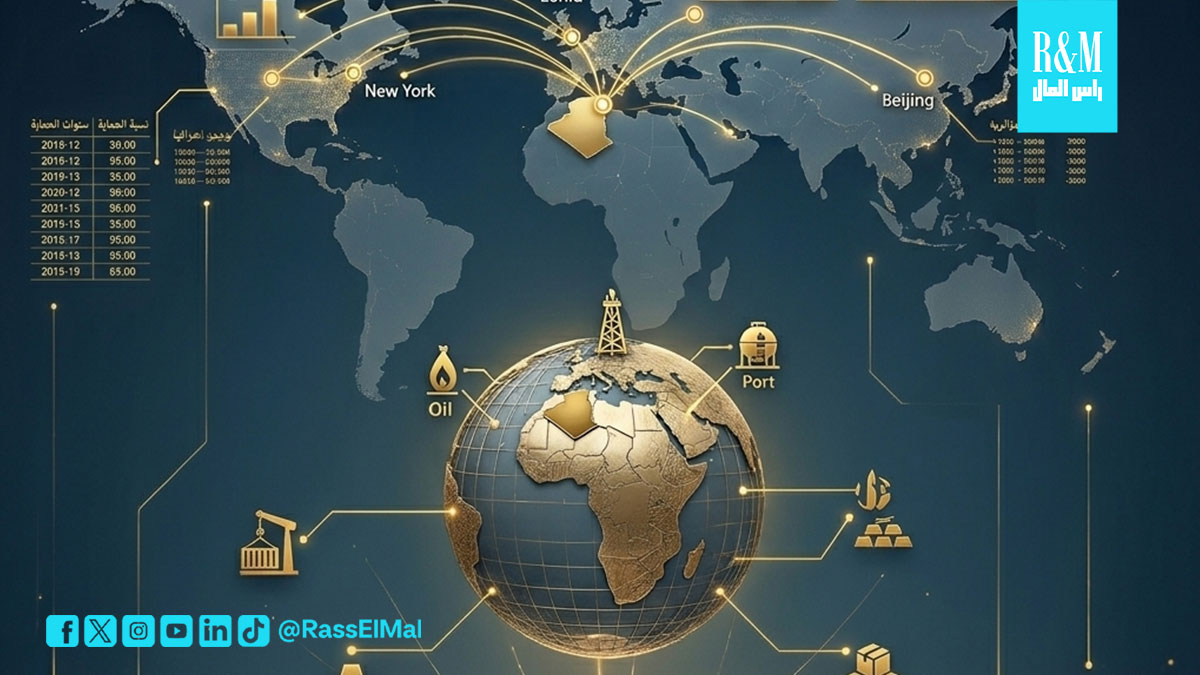
Image: Rass El Mal
Takeaway
The surge in investment activity in Algeria, particularly the €62.5 billion in projects, signals a strategic shift that international investors should closely monitor. Sectors like construction (Cosider) and energy (Sonatrach) are poised for growth. Investors should assess the impact of tightened import controls on supply chains and factor in potential delays due to new bank domiciliation rules.
Algeria is undergoing a significant economic transformation, attracting international media attention as it evolves into a major investment hub with projects valued at over €62.5 billion (~$67.8 billion), according to the Italian newspaper Africa e Affari. These investments are spurred by ongoing reforms aimed at improving the business climate and attracting foreign capital.
Algeria's efforts to diversify its economy and attract foreign investment have been ongoing for several years. In 2022, Algeria enacted a new investment law designed to streamline procedures and offer incentives to foreign investors. This law followed a period of economic reforms initiated in 2020, which focused on reducing bureaucracy and improving transparency in government processes. These reforms built upon earlier initiatives, such as the 51/49 rule amendment in 2021, which eased restrictions on foreign ownership in certain sectors, aiming to make Algeria a more attractive destination for international capital.
Algeria's investment landscape is diverse, spanning various sectors including energy, infrastructure, and manufacturing. The country possesses substantial natural gas reserves, ranking among the top ten globally, which has historically driven foreign investment in the energy sector. In addition to energy, Algeria is focusing on developing its renewable energy sector, with plans to install 15,000 MW of solar power capacity by 2035. The government is also investing heavily in infrastructure projects, such as the Trans-Saharan Highway, to improve connectivity and facilitate trade within the region. These projects are complemented by investments in industrial zones and manufacturing facilities aimed at diversifying the economy away from hydrocarbons.
The transformation of Algeria into an investment hub is expected to benefit various sectors and stakeholders. Construction firms, such as Cosider, stand to gain from the infrastructure projects, while energy companies can capitalize on Algeria's vast hydrocarbon resources and growing renewable energy sector. The improved business climate and streamlined investment procedures are also expected to attract more foreign direct investment, boosting economic growth and creating employment opportunities. However, companies exporting to Algeria should be aware of tightened import controls, including the mandate for bank domiciliation before shipment, which may add complexity to international trade.
Looking ahead, Algeria's investment prospects hinge on the continued implementation of economic reforms and the successful execution of planned projects. The government's commitment to diversifying the economy and attracting foreign capital will be crucial in sustaining the momentum. Key dates to watch include the completion of major infrastructure projects, such as the Trans-Saharan Highway, and the commissioning of new renewable energy plants. A potential risk lies in the volatility of global energy prices, which could impact Algeria's revenue streams and investment capacity. Investors should also monitor political stability and regulatory changes that could affect the business environment.