Algeria Boosts Agriculture with Drones, Foreign Investment, and Strategic Partnerships
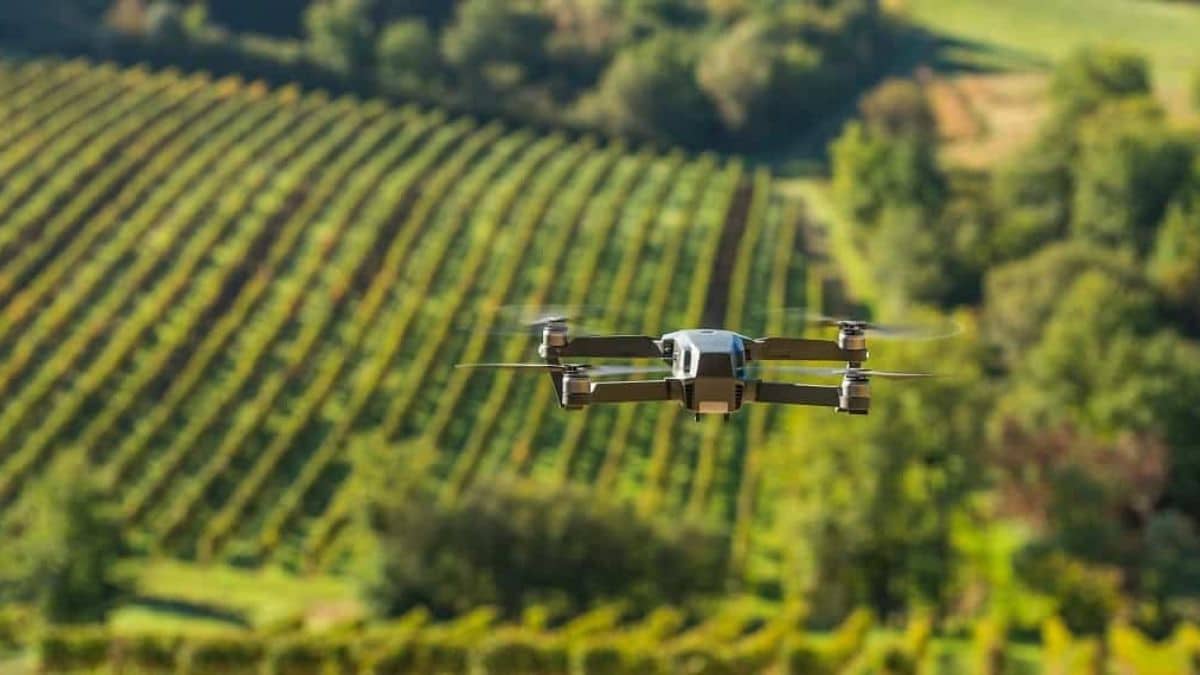
Image: TSA
Takeaway
Investors should monitor Algeria's agricultural modernization efforts, particularly in the grain and irrigation sectors. Companies specializing in agricultural technology, such as drone-based monitoring systems and advanced irrigation solutions, could find significant opportunities. The focus on increasing domestic production of strategic crops may also impact commodity trading and import/export dynamics.
Algeria is intensifying its focus on agricultural development through technology adoption, strategic partnerships, and increased investment in key sectors. On Sunday, February 8, 2026, the Ministries of Agriculture and Higher Education signed agreements in Algiers to enhance cooperation in agricultural analysis, specifically related to soil and fertilizer, and to improve land yields. The Ministry of Agriculture is also exploring the use of drones to monitor strategic crops.
This push for modernization aligns with Algeria's broader strategy to diversify its economy and reduce reliance on hydrocarbon revenues. The government has allocated 764.2 billion dinars ($5.84 billion) to the agriculture sector in the 2026 Finance Bill, a 4% increase from the previous year. This budget will focus on improving productivity, modern irrigation, and rural development. In November 2025, Agriculture Minister Yacine El-Mahdi Oualid announced that 90.25% of the budget would be directed towards agriculture and rural development programs, with 6% allocated to forestry, 3% to general administration, and the remainder to fisheries and aquaculture.
Algeria's agricultural sector currently contributes 13% to the country's GDP and employs approximately 9% of the working population. However, the sector faces challenges such as low cereal yields, averaging 1.8 tonnes per hectare compared to the global average of 3.9 tonnes. Post-harvest losses also remain a concern, affecting 20% to 30% of agricultural production annually due to inadequate storage and cooling systems. Modern irrigation techniques are only used on 15% of irrigated land.
To address these challenges, Algeria is actively seeking international partnerships and investments. Minister Yacine Oualid met with a delegation from the International Finance Corporation (IFC) on Sunday to discuss expanding cooperation in agricultural investment and financing value-added agricultural projects. The government is also promoting mechanization in the agricultural sector by providing tractors and harvesters to boost crop productivity, especially for grains. The goal is to reduce losses, estimated to be between 10% and 20%, caused by delays in harvesting or inadequate equipment.
Looking ahead, Algeria aims to achieve self-sufficiency in durum wheat, barley, and corn by 2026. The government plans to expand cultivated areas in southern Algeria to 500,000 hectares, with investments from Qatar and Italy totaling 153,000 hectares, alongside national investments of 120,000 hectares. Key areas to watch include the implementation of new technologies like drones, the effectiveness of the government's investment in modern irrigation, and the success of partnerships with international organizations like the IFC.