Oran's Cap Blanc Desalination Plant Resumes Production After Preventative Halt
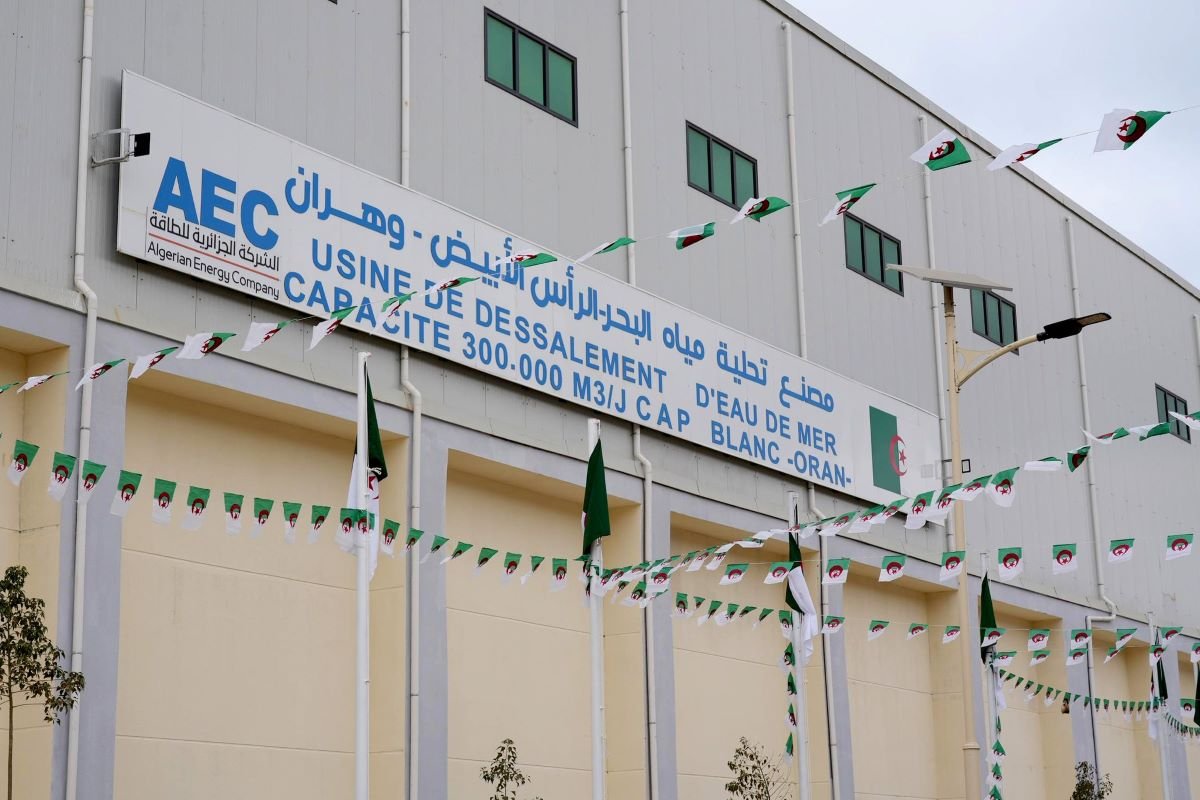
Image: Algerie Eco
Takeaway
The quick resumption of production at the Cap Blanc desalination plant is a positive signal for investors in Algeria's water infrastructure sector. Companies involved in desalination technology, construction, and water management should monitor Algeria's progress towards its 2030 goals, as further investments in desalination are expected. The focus on local sourcing and expertise, as demonstrated by the Cap Blanc project, presents opportunities for Algerian companies to participate in the country's growing desalination market.
Production has restarted at the Cap Blanc seawater desalination plant in Oran on Saturday, following a brief preventative shutdown. The Algerian Desalination Company, a subsidiary of Sonatrach, confirmed the resumption of operations on Sunday. Mouloud Hachelaf, the communications officer for the CEO of the company, provided details regarding the plant's return to service.
The Cap Blanc plant, completed in under 26 months, represents a key component of Algeria's strategy to combat water scarcity and increase its potable water supply. President Abdelmadjid Tebboune inaugurated the plant in February 2025, calling it a symbol of "victorious Algeria". The plant is part of a larger national program to increase the national production of desalinated seawater to 5.6 million cubic meters per day by 2030. By the end of 2025, Algeria reached a production of approximately 3.7 million cubic meters per day, covering about 42% of potable water needs for a population estimated around 47 million people.
The Cap Blanc plant has a production capacity of 300,000 cubic meters per day and is connected to a 48-km distribution network. The facility will supply drinking water to six wilayas in western Algeria. The plant also includes two reservoirs, one with a 50,000 m³ capacity in Aïn Tassa and another with a 30,000 m³ capacity in Bousfer. Algeria aims to source 60% of its drinking water from seawater desalination by the end of the decade.
The resumption of production at Cap Blanc ensures a consistent water supply to Oran and surrounding areas, benefiting residents, agriculture, and industry. The plant's output contributes to Algeria's goal of providing water to 15 million people along the coast and up to 150 kilometers inland. The Algerian government has allocated $1 billion USD towards desalination projects in Tlemcen, Mostaganem, and Chlef to secure water supplies for agriculture.
Algeria is currently constructing seven new desalination plants scheduled for completion between 2025 and 2030 in Tlemcen, Mostaganem, Chlef, Jijel, Skikda, and two in Tizi Ouzou. These projects are part of a $5.4 billion national plan to boost both drinking water and irrigation supplies. The country aims to produce around 4 billion cubic meters annually for agricultural use by 2030.