Oran Desalination Plant Halt Disrupts Water Supply, Highlighting Algeria's Water Security Push
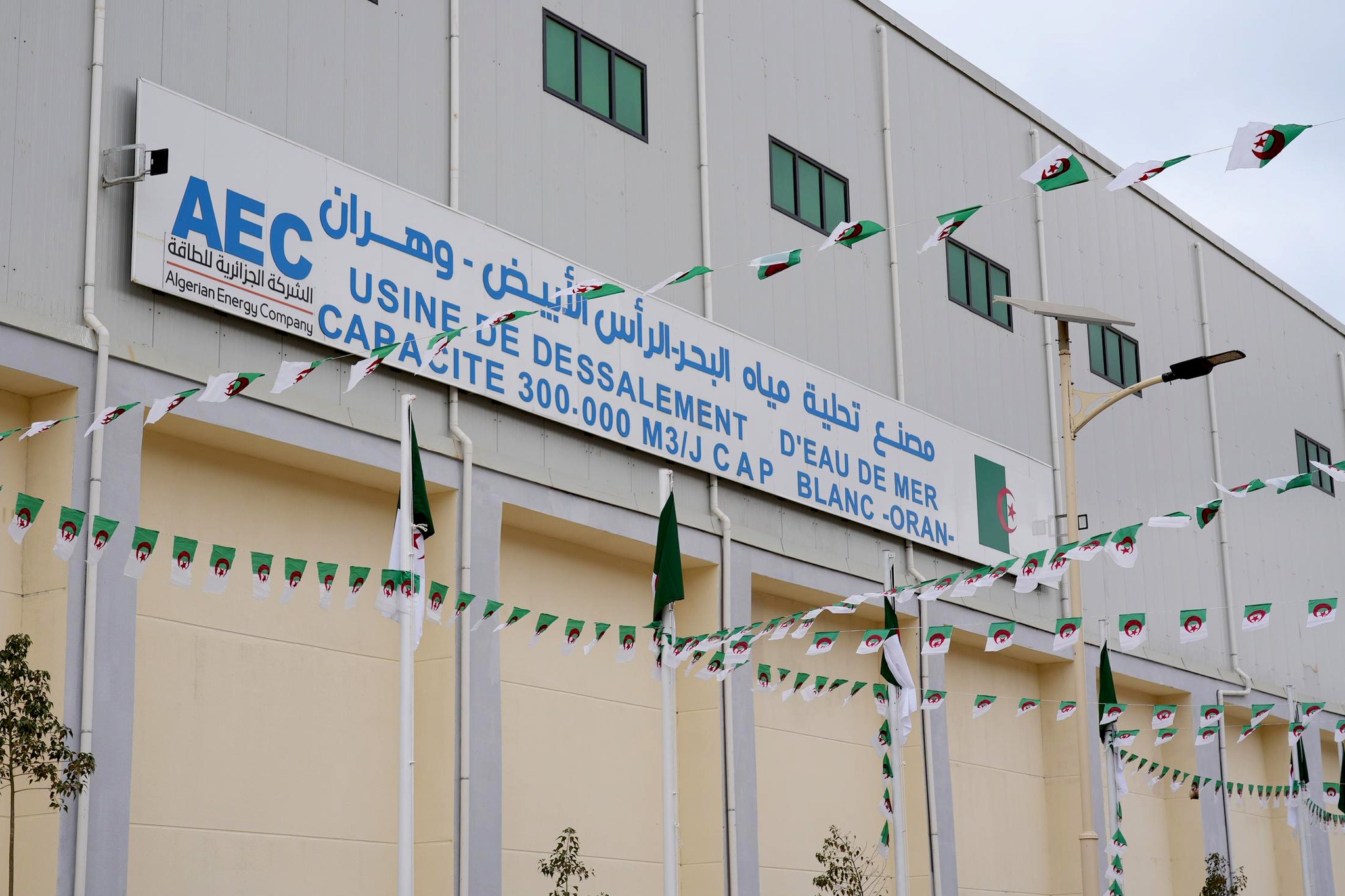
Image: Echorouk
Takeaway
The temporary shutdown at the Oran desalination plant underscores the critical importance of water infrastructure resilience in Algeria. Investors should closely monitor Sonatrach's investments in desalination and related technologies, as these projects are central to Algeria's strategy for mitigating water scarcity and supporting long-term economic growth. Increased demand for desalination services may also create opportunities for international technology providers.
A temporary technical malfunction at the Ras El Abiad seawater desalination plant in Oran, with a production capacity of 300,000 cubic meters per day, caused a precautionary shutdown on Friday, February 20, 2026. The Algerian Water Desalination Company, a subsidiary of Sonatrach, announced the disruption, which impacted the supply of drinking water to residents in some districts of Oran. The plant is located in the wilaya of Oran.
Algeria is aggressively pursuing desalination to combat water scarcity, aiming to increase national desalinated seawater production to 5.6 million cubic meters per day by 2030. President Abdelmadjid Tebboune launched a supplementary national program that includes the construction of six large-scale seawater desalination plants across the country. By late 2024, Algeria was already producing around 3.7 million cubic meters of desalinated water daily. In early January 2026, contracts were signed for three new plants in Tlemcen, Chlef, and Mostaganem, each with a daily output of 300,000 cubic meters. Algeria had 19 operational seawater desalination plants by the end of 2024, collectively producing 2.11 million cubic meters of water per day.
Each of the three new desalination plants will have a production capacity of 300,000 cubic meters per day. The plants will be built in Ain Adjroud in Marsa Benmhidi (Tlemcen), Dahra in El Marsa (Chlef), and Sidi Ladjel in El Khadra (Mostaganem). Cosider Canalisation will construct the Tlemcen plant, the National Company for Major Petroleum Works will build the Chlef facility, and the Algerian Industrial Projects Company will handle the Mostaganem plant. Algeria has embraced reverse osmosis technology for its desalination facilities.
The disruption at the Ras El Abiad plant highlights the vulnerability of relying on single facilities and underscores the need for a diversified water supply strategy. The incident may lead to increased scrutiny of the operational reliability of existing plants and accelerate investments in backup systems and alternative water sources. Companies involved in water infrastructure and desalination technology, such as Sonatrach and its subsidiaries, stand to benefit from increased government spending in this sector.
Investors should monitor the timeline for the resumption of operations at the Ras El Abiad plant and any announcements regarding upgrades or expansions to the facility. The launch of two desalination plants in Tamanrasset and Tindouf is scheduled for March 2026. Any delays in these projects or further disruptions at existing plants could signal increased water stress and potential investment opportunities in water management solutions. The Algerian government aims for seawater desalination to account for 60% of its drinking water supply in the medium term.