Naftal Addresses LPG Supply Disruptions in Five Wilayas Amidst Adverse Weather
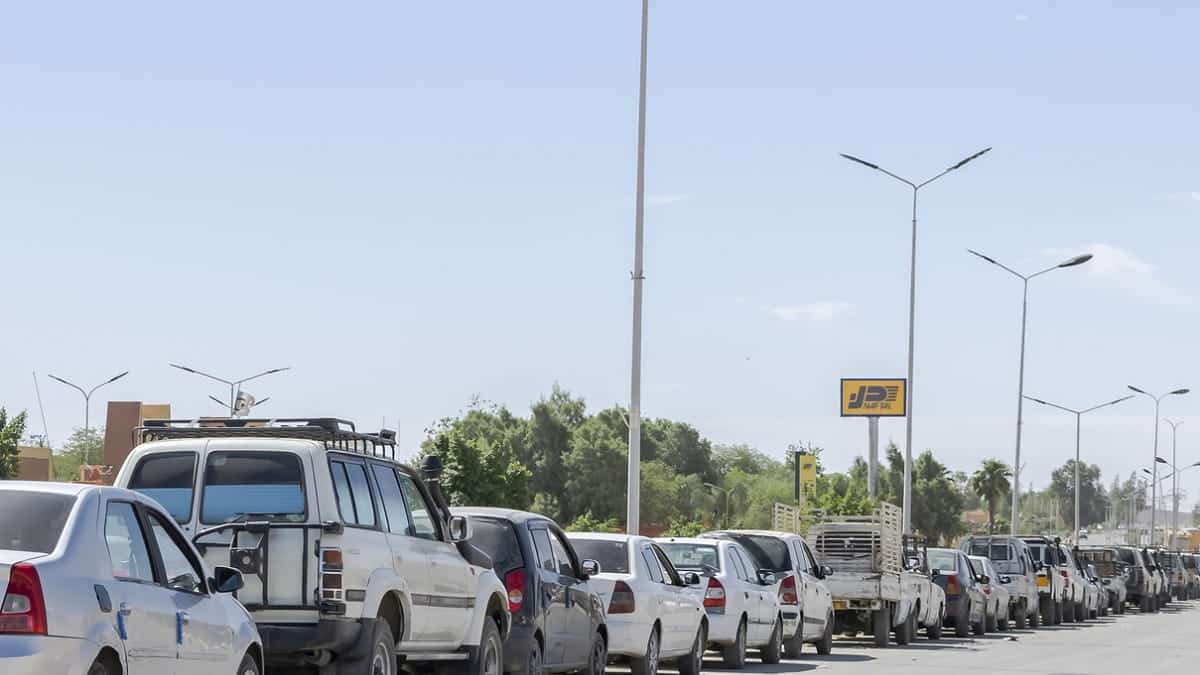
Image: TSA
Takeaway
The temporary LPG supply disruptions in Algeria underscore the importance of investing in robust and weather-resistant infrastructure. Energy companies and investors should prioritize projects that enhance supply chain resilience, such as the ongoing construction of the 424-km pipeline. Monitoring weather patterns and their potential impact on logistical operations is crucial for mitigating future disruptions and ensuring stable LPG supplies.
Naftal, Algeria's primary distributor of petroleum products, confirmed temporary disruptions in the supply of liquefied petroleum gas (LPG) in several distribution points, particularly affecting five wilayas (provinces) in the central and eastern regions of the country. The company attributed these disruptions to adverse weather conditions experienced since January 20, 2026, which have caused delays in shipping and logistical operations. These supply issues have led to long queues at service stations in the affected areas.
Naftal assured consumers that LPG is available in sufficient quantities nationwide, despite the localized delays. The company is actively working to restore normal supply levels to the affected wilayas. Naftal's distribution network includes 41 land fuel depots, 42 LPG centers and mini-centers, and 9 LPG bulk centers. The company manages 674 service stations directly and leverages cabotage, pipelines, rail, and road transport to ensure product availability across Algeria. In March 2022, Naftal contracted Sonatrach's pipeline unit TRC to construct a 424-km LPG pipeline from Arzew to Chlef and Algiers, with a capacity of 1.2 million tonnes per year, to enhance distribution.
Algeria is a major LPG producer and exporter in the Mediterranean region, with state-owned Sonatrach producing approximately 9 million tonnes per year. Around a third of this production serves the domestic market. In August 2025, Algeria commissioned the Ain Tsila gas complex in Illizi Province, boosting processing capacity by 4.4 billion cubic meters per year and producing 1,600 tonnes of LPG per day. In 2023, Algeria's LPG consumption reached a record 94.8 thousand barrels per day, up from 92.16 thousand barrels per day in 2022.
The recent supply disruptions highlight the vulnerability of Algeria's LPG distribution network to weather-related delays. These disruptions could impact consumers and businesses reliant on LPG for transportation, heating, and industrial processes. Companies involved in LPG logistics and distribution, such as Naftal and Sonatrach, face increased pressure to improve the resilience of their supply chains. In November 2025, Svanehoj secured a tank control system order in Algeria to reinforce Naftal's reputation as a trusted supplier of hydraulic emergency shut-off systems for LPG.
Looking ahead, investors should monitor Naftal's efforts to improve its distribution infrastructure and mitigate the impact of adverse weather conditions. The completion of the 424 km pipeline, which is expected to cost approximately $364 million, will be a key factor in enhancing LPG supply reliability. Additionally, any policy changes related to LPG pricing or subsidies could impact consumer demand and market dynamics. The next quarterly report from Sonatrach will provide further insights into LPG production and export trends.