Meloni Visit Underscores Algeria-Italy Energy and Economic Partnership
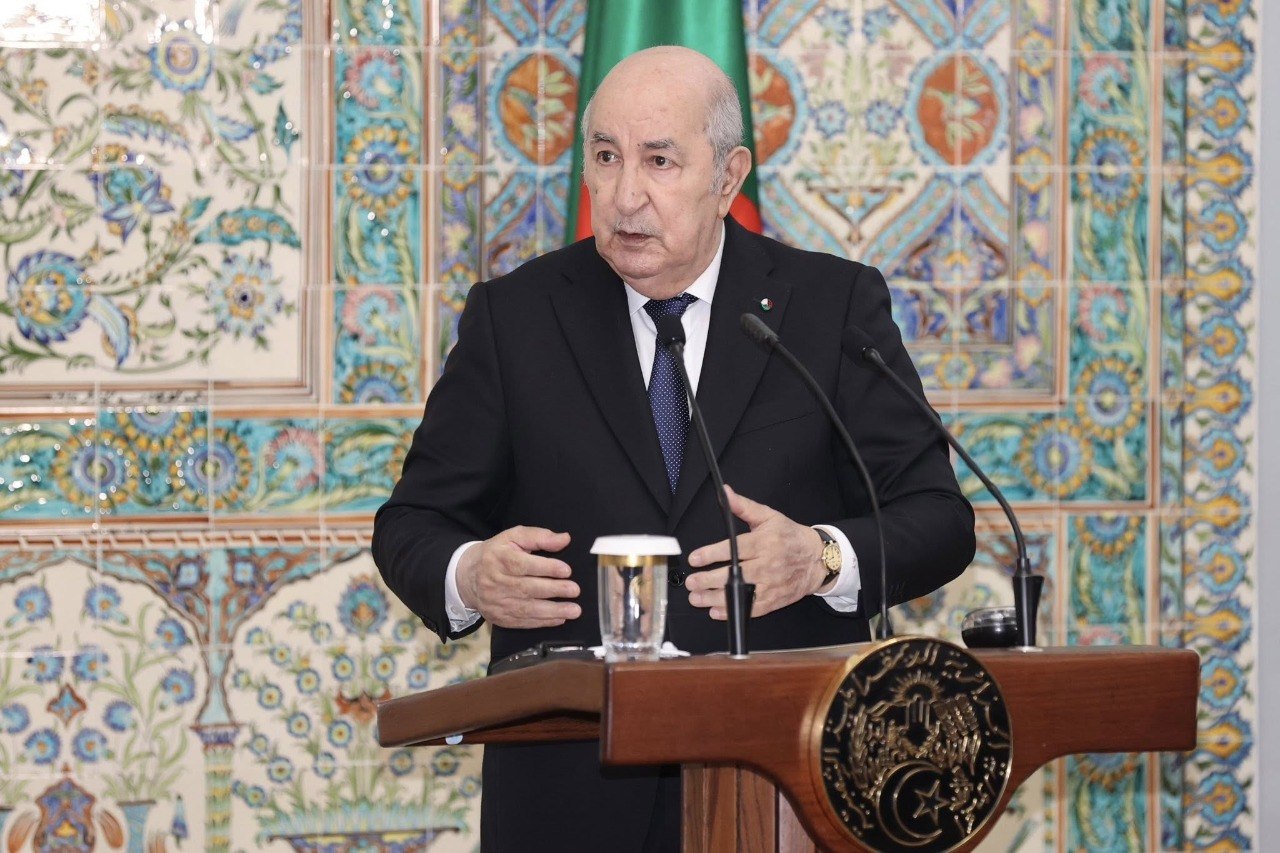
Image: AL24 News
Takeaway
The 50% year-on-year increase in Algerian LNG to Italy reflects a structural shift in Mediterranean energy flows. European utilities and LNG traders should monitor Medlink and the Southern Hydrogen Corridor. Algeria's growing commitment to Italian volumes may tighten spot supply for other Mediterranean buyers.
Italian Prime Minister Giorgia Meloni concluded a working visit to Algiers on March 25, 2026, meeting with Algerian President Abdelmadjid Tebboune to discuss strengthening the strategic partnership between the two nations, particularly in energy cooperation. Meloni's visit, her second since taking office, highlights the increasingly strong political and economic ties, with both leaders expressing satisfaction with the progress made in recent years. Talks included a detailed review of energy cooperation amidst a complex international context, with Algeria affirming its commitment to meeting its obligations as a reliable partner for Italy and Europe.
The partnership between Algeria and Italy has become increasingly vital, especially following disruptions to European energy supplies from Russia. Italy has positioned Algeria as a cornerstone of its external economic and security strategy, making it Italy's largest trading partner in Africa, with bilateral trade reaching €12.9 billion in 2025. Italian direct investment in Algeria stands at €8.5 billion. This relationship is rooted in a 2003 Treaty of Friendship, spanning energy, defense, and development cooperation.
Energy cooperation remains a central pillar, driven by Eni and Sonatrach. Algeria is Italy's primary natural gas supplier via the Trans-Mediterranean Pipeline, exporting approximately 20 billion cubic meters (bcm) annually. A $1.35 billion project is underway to develop the Zemoul El Kbar field, with agreements extending up to 30 years. The two countries are also exploring new fronts, such as ocean and offshore gas, to further strengthen gas flows. Beyond natural gas, the partnership is expanding into renewable energy, with the proposed SoutH2 Corridor aiming to transport green hydrogen from Algeria to Europe. A Memorandum of Understanding was signed to develop a 2 GW high-voltage undersea power cable to link their electricity grids by 2030.
The deepening partnership benefits both nations, with Italy securing its energy supply and solidifying its role as a bridge between Europe and Africa. Algeria gains access to investment, technology, and diversified economic ties beyond hydrocarbons. In July 2024, Algeria's Agriculture Minister Youcef Cherfa signed a €420 million (~$455 million) agreement with Italian agro-industrial firm Bonifiche Ferraresi (BF) to develop 36,000 hectares in Timimoun for wheat and other crops.
Looking ahead, both countries aim to translate their strategic partnership into scalable projects and sustained geopolitical integration. Migration is also expected to be a key topic, with both sides seeking to deepen coordination on controlling migration flows and combating human trafficking. The continued success of the Algeria-Italy partnership hinges on the ability to diversify beyond hydrocarbons and implement ambitious projects in renewable energy, infrastructure, and agriculture.