Hormuz Strait Blockade Drives Up Shipping Costs, Algeria Increases Gas to Spain
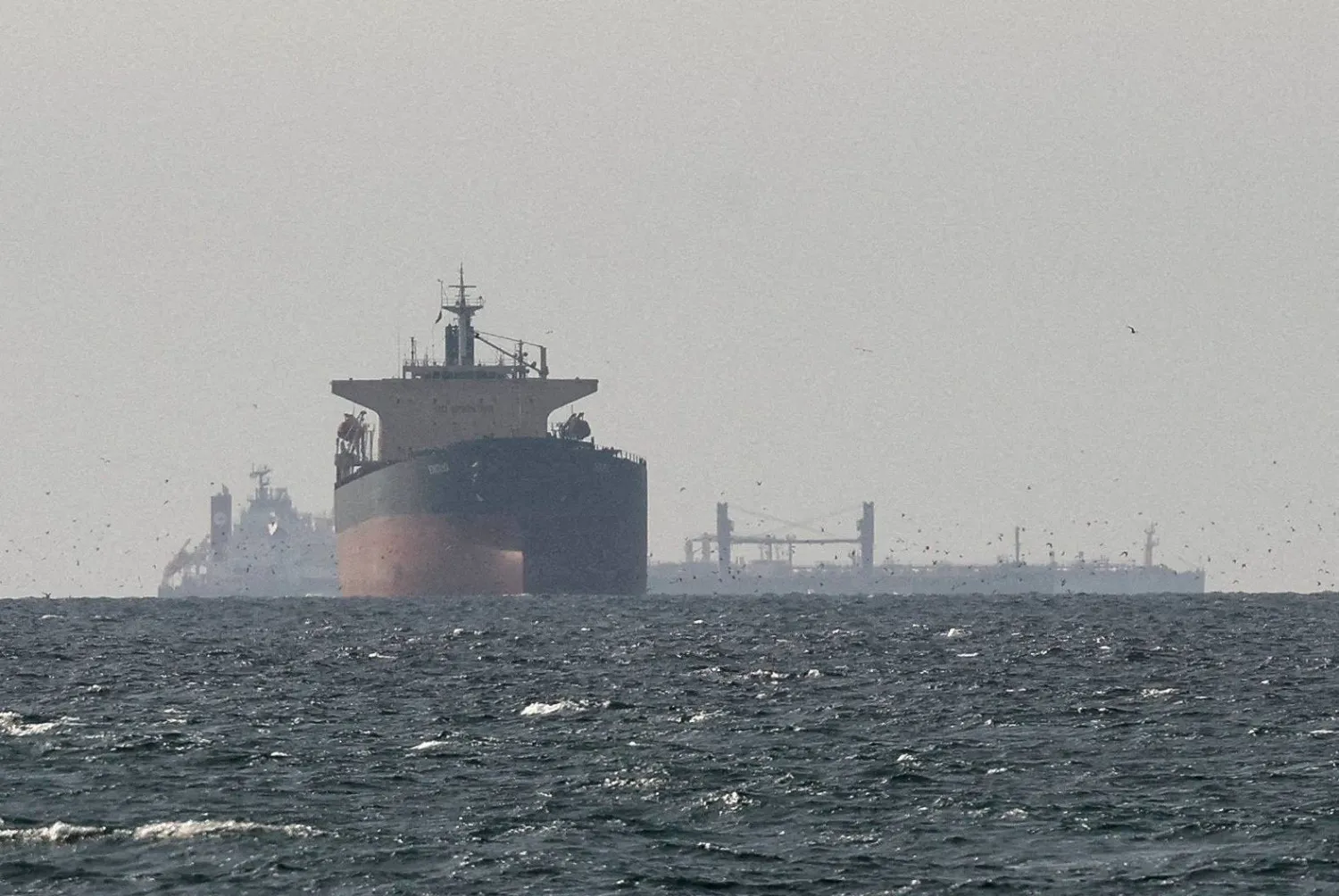
Image: AL24 News
Takeaway
The 12.5% increase in Algerian natural gas supplies to Spain highlights the strategic importance of Algeria as a reliable energy partner for Europe amidst geopolitical instability. European utilities should explore long-term supply contracts with Sonatrach to mitigate risks associated with reliance on Middle Eastern energy flows. Monitor the Medgaz pipeline's capacity and expansion plans for potential investment opportunities.
The Strait of Hormuz, a critical chokepoint for global energy and trade, has been the center of geopolitical tensions since February 28, 2026, following joint military strikes by the United States and Israel on Iran. In response, Iran launched retaliatory missile and drone attacks and effectively halted shipping traffic through the strait. This disruption has significantly impacted global energy markets and supply chains, causing a surge in oil prices and prompting major shipping firms to suspend operations in the area.
The Strait of Hormuz, located between Iran and Oman, serves as the primary gateway between Gulf energy exporters and global shipping routes. Approximately 20 million barrels of oil pass through the strait each day, representing about 20% of global seaborne oil trade. The closure has been described as the largest disruption to the energy supply since the 1970s energy crisis. Iran's actions, including threats to close the strait and reported attacks on vessels, have led to a sharp decline in maritime transit. Tanker traffic initially dropped by approximately 70%, with over 150 ships anchoring outside the strait to avoid risks.
The disruption in the Strait of Hormuz has caused Brent crude oil prices to surpass $100 per barrel on March 8, 2026, reaching a peak of $126 per barrel. The crisis has also affected other commodity markets, including aluminum, fertilizer, and helium. Ships are being rerouted via the Cape of Good Hope, adding up to 14 extra transit days and significantly increasing shipping costs. The situation has prompted international efforts to find alternative routes and ensure the flow of essential goods, such as fertilizers, to prevent food shortages.
Amid the crisis, Algeria has agreed to increase natural gas supplies to Spain via the Medgaz pipeline by 12.5%. This decision is seen as a reward for Spain's stance on the conflicts in Iran and Gaza. Spain has also been added to the list of countries permitted to send vessels through the Strait of Hormuz by Iran. Last year, Algeria was Spain's top supplier of natural gas, providing 42.5% of total imports, ahead of the US at 24%.
As of April 2-4, 2026, an average of 10-20 vessels per day are transiting the Strait of Hormuz, a significant decrease from the normal 138 vessels per day. The UK-led 40-nation coalition formed on April 2, 2026, to plan a post-conflict reopening strategy. The situation remains volatile, with the potential for further escalation and continued disruption to global energy markets. Investors and energy executives should closely monitor diplomatic efforts and military deployments in the region, as well as alternative shipping routes and energy supply sources.