Algerian Date Exporters Face Banking Hurdles, Threatening Key Agricultural Sector
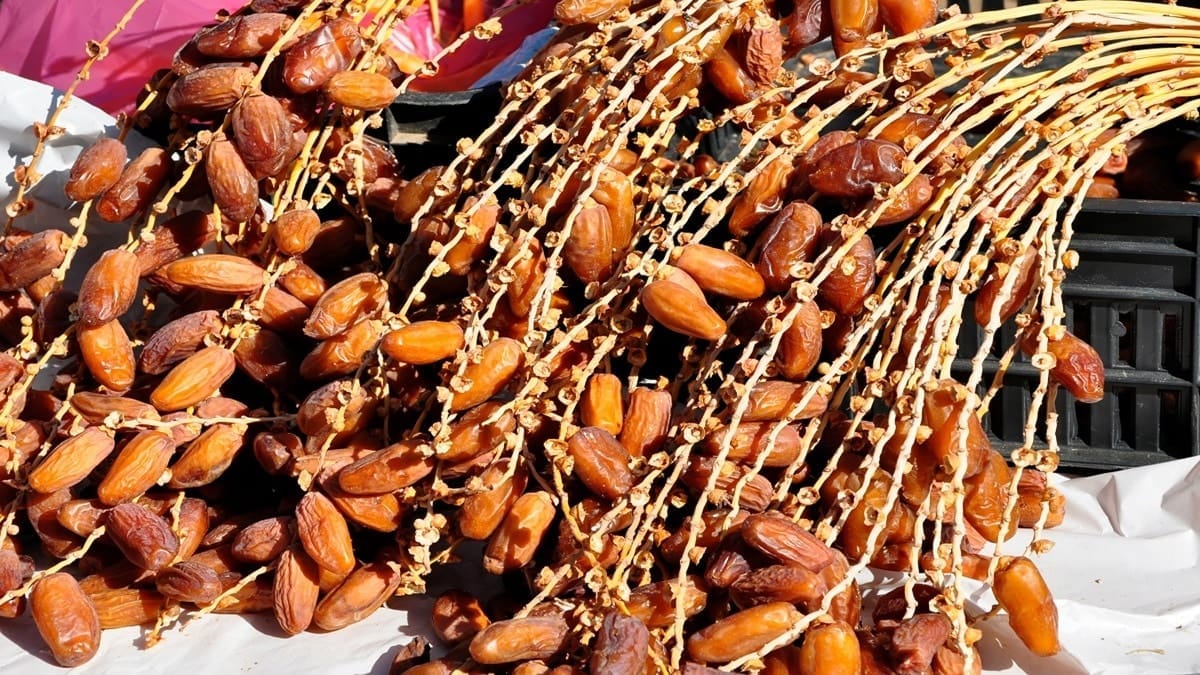
Image: TSA
Takeaway
The banking restrictions on Algerian date exports present a challenge for international buyers sourcing Deglet Nour dates. Importers should diversify their supply base and closely monitor payment terms to mitigate potential disruptions. Companies like South Valley Company are key players to watch, as they have established export and processing facilities. Investors should assess the impact of these restrictions on Algerian agribusiness and explore opportunities in alternative date-producing regions.
Algerian date producers, particularly those in Ouled Djellal, El Meghaïer, Biskra, and Touggourt, have been experiencing significant difficulties in exporting their products for over four months. According to parliamentarian Abderrazak Bezziou, banks are refusing to process the necessary paperwork for export operations in these regions. The banks reportedly claim to have received instructions to block these transactions, though the specific reasons remain unclear.
Algeria is a major date producer, ranking among the top five globally. In 2017, the country produced 1.05 million tons of dates, valued at DZD 332.4 billion (~$2.82 million). The sector is concentrated in the south of the Saharan Atlas, across 16 or 17 wilayas (provinces). Biskra is the leading date-producing region, accounting for 41.2% of national production, followed by El Oued with 25%. While Algeria boasts over 300 date varieties, the Deglet Nour is the most commercially significant, representing a large share of exports. In 2020, exports of Deglet Nour reached 69,798 tons. The current banking restrictions threaten this vital agricultural sector and Algeria's broader export diversification efforts.
The issues with bank domiciliation highlight existing challenges in Algeria's trade finance landscape. The Bank of Algeria's regulations require bank domiciliation for all import and export transactions. While regulations allow conversion of dinars to foreign currency for export activities, exporters must repatriate equivalent funds. Recent measures in Algeria's foreign trade sector include the dissolution of ALGEX and the establishment of the Algerian Export Authority, alongside stricter import controls. These changes, including mandatory import forecast programs and prior authorization for service imports, aim to regulate trade and protect domestic production.
The banking blockade disproportionately impacts small and medium-sized date producers who rely on exports for their livelihoods. The inability to complete export operations could lead to significant financial losses and potential disruptions in supply chains. While the specific reasons for the banking restrictions are unclear, they may be linked to broader government efforts to control foreign exchange and regulate import/export activity. This situation could benefit larger, more established exporters with stronger banking relationships, potentially consolidating the market.
Industry participants should closely monitor upcoming policy announcements from the Bank of Algeria and the Ministry of Trade regarding export financing and banking regulations. Any clarification or modification of existing rules could significantly impact the date export sector. Furthermore, keep an eye on the Algerian Export Authority's efforts to support exporters and streamline trade procedures. The implementation of climate-smart agricultural practices, supported by initiatives like the CBI's Algeria Dates project, will also be crucial for the long-term sustainability and competitiveness of the sector.