Algerian Authorities Seize Counterfeit Food, Cosmetics, and Funds in Crackdown
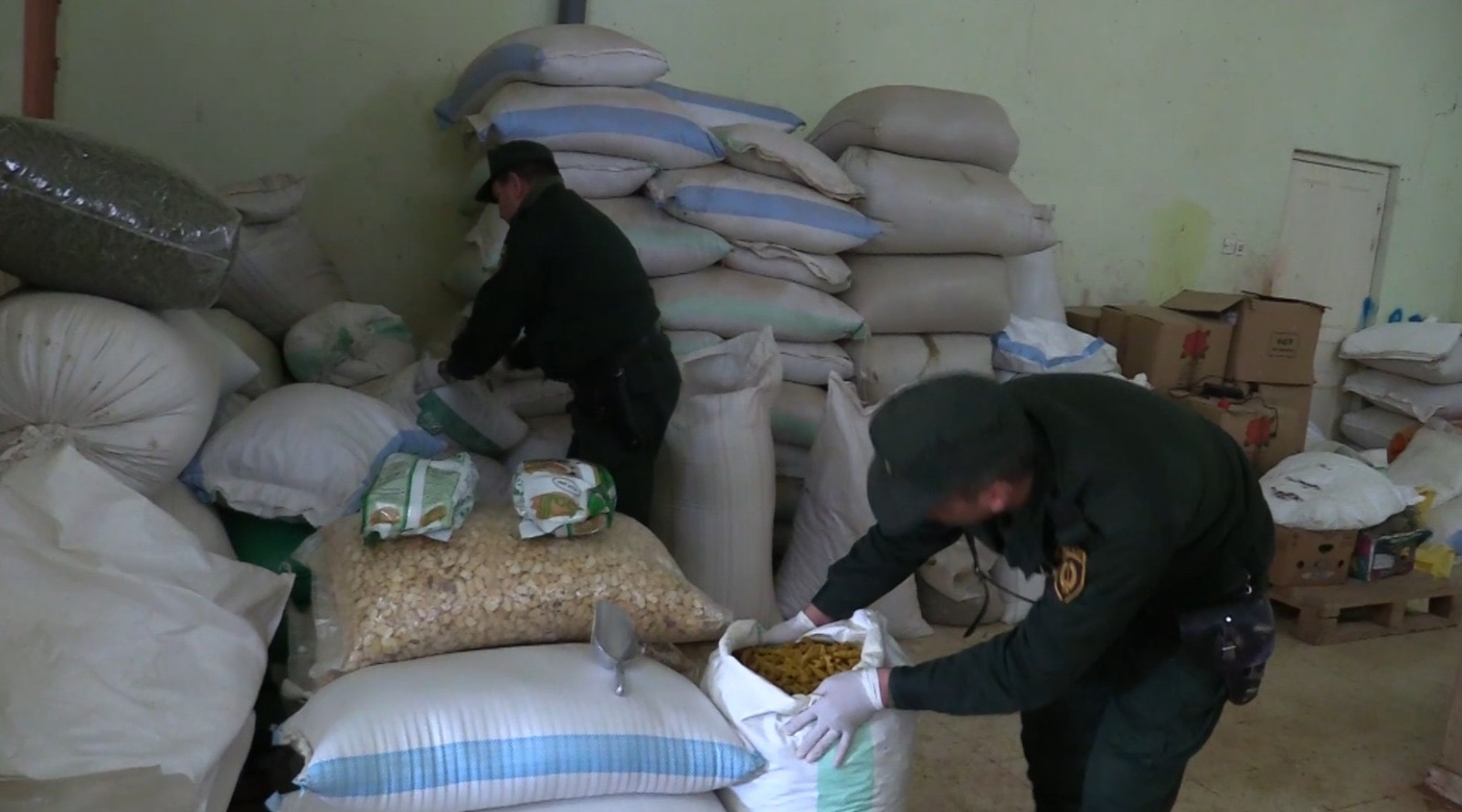
Image: El Mawkie
Takeaway
The seizures of counterfeit goods highlight the risks and challenges for businesses operating in Algeria. International investors should conduct thorough due diligence on local partners and supply chains to mitigate exposure to counterfeit products. Companies should also prioritize registering their trademarks and patents in Algeria to protect their intellectual property rights and pursue legal action against infringers.
Algerian authorities have seized significant quantities of counterfeit and expired goods, alongside uncovering financial crimes, in a series of operations across the country. In Setif, the National Gendarmerie discovered a clandestine workshop producing over 1.8 tonnes (1800 kg) of adulterated spices in the outskirts of Ain Oulmane. In Sidi Bel Abbes, consumer protection officials, in coordination with national security services, seized and destroyed 71.5 kg of stuffed chicken and 15 liters of spoiled oil on February 22, 2026, due to serious violations of consumer safety standards.
In Blida, the National Gendarmerie's food security unit exposed a company manufacturing tortilla bread using expired flour. Meanwhile, in Chlef, authorities shut down a secret workshop involved in counterfeiting imported cosmetics, recycling expired products, and repackaging them with locally made substances and falsified expiration dates. Separately, the economic and financial crime unit dismantled a criminal network led by a sorceress, who embezzled over 30 billion centimes (~$2.2 million) from a private company.
The proliferation of counterfeit goods in Algeria spans various sectors, including cosmetics, clothing, pharmaceuticals, and food products. According to American USTR statistics from 2011, Algeria ranked third globally in the reception of imitated products, despite the initial anti-counterfeiting law dating back to 1966. Experts revealed in 2018 that approximately 800,000 fake products are illegally introduced into the Algerian market annually, with automobile spare parts being a significant component.
The Algerian government has been taking steps to combat counterfeiting and protect intellectual property rights. These efforts include disbanding informal markets selling counterfeit goods, increasing coordination between customs and law enforcement, and providing training for law enforcement, customs officials, judges, and IP protection agencies. In May 2021, the U.S. Trade Representative upgraded Algeria from its Priority Watch List to its Watch List in its Special 301 Report.
Despite these efforts, the enforcement of IPR laws remains a challenge, and counterfeiting persists. Companies operating in Algeria should prioritize registering and protecting their intellectual property rights under local laws, as U.S. trademark and patent registrations are not automatically recognized. Investors should closely monitor the Algerian government's ongoing efforts to strengthen IP enforcement and combat the influx of counterfeit goods, as these measures will directly impact market competitiveness and consumer confidence.