Algeria Tightens Regulations on Private Schools to Address Deficiencies
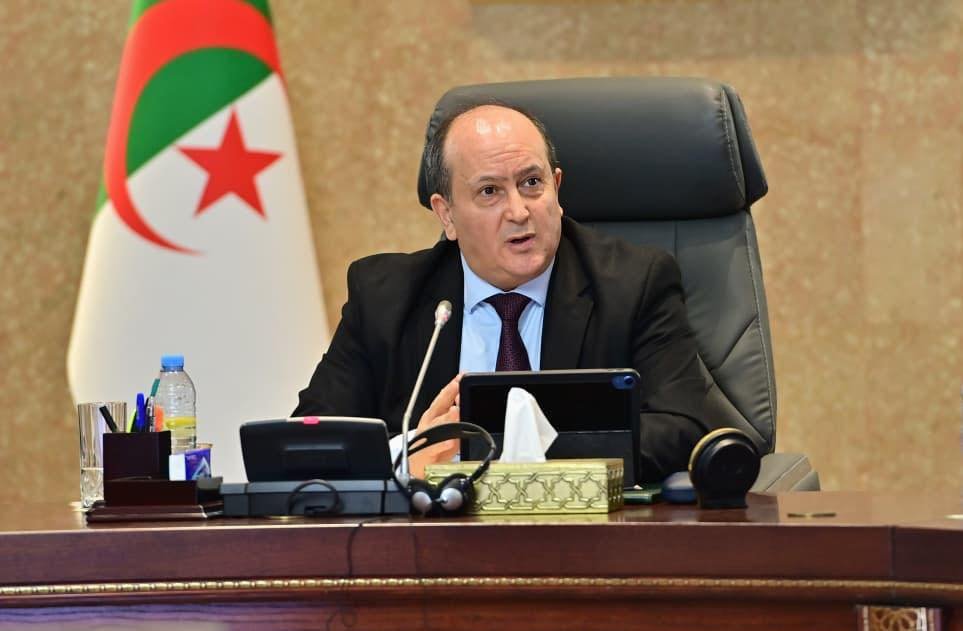
Image: Algerie Eco
Takeaway
The tightening of regulations on private schools in Algeria presents both challenges and opportunities for investors. Existing private schools may need to allocate capital to meet the new standards, while new entrants could find a more level playing field. Investors should closely examine the specific requirements of the executive decree and the 2026-2028 vocational training roadmap to identify potential investment opportunities in educational infrastructure, teacher training, and curriculum development.
The Algerian government, under the leadership of Prime Minister Sifi Ghrieb, convened on Wednesday, February 25, 2026, to examine a draft executive decree concerning the accreditation, operation, and oversight of private education institutions. The move aims to rectify shortcomings identified in the field and ensure these institutions adhere to national standards. The proposed decree includes a new set of specifications outlining the administrative, technical, and pedagogical obligations for private schools.
This initiative reflects Algeria's ongoing efforts to refine its education system, which is compulsory for children aged 6 to 16. While education is free, private instruction has been offered on a limited basis since the early 1990s. In 2004, an executive decree allowed for the establishment of private institutions under specific regulations. In October 2023, the government ordered private schools to suspend the use of the French curriculum and teach only in the Algerian national curriculum.
The new regulations will mandate that accreditation of private educational establishments align with the national school map. These schools must provide education in accordance with national programs and curricula, while also respecting the fundamental principles of the nation. The government's focus extends to modernizing the vocational training and education sector, with a roadmap for 2026-2028 designed to make it a key driver of economic development. This plan includes comprehensive reforms to strengthen employment prospects for graduates, improve education quality, and diversify training to meet labor market needs.
The revised regulations could impact private schools that have historically relied on external funding or operated with curricula misaligned with national standards. Schools that can adapt to the new administrative, technical, and pedagogical requirements stand to benefit. International schools, such as the British School Algiers, will need to ensure compliance with the updated Algerian regulations.
Looking ahead, stakeholders should monitor the implementation of the executive decree and its impact on private school operations. The 2026-2028 roadmap for vocational training will be crucial in assessing the government's commitment to modernizing the education sector. The success of these reforms will depend on effective coordination between various sectors, institutions, and bodies involved in education.