Algeria Launches Online Sheep Sales for Eid al-Adha, Imports 14,800 Romanian Sheep
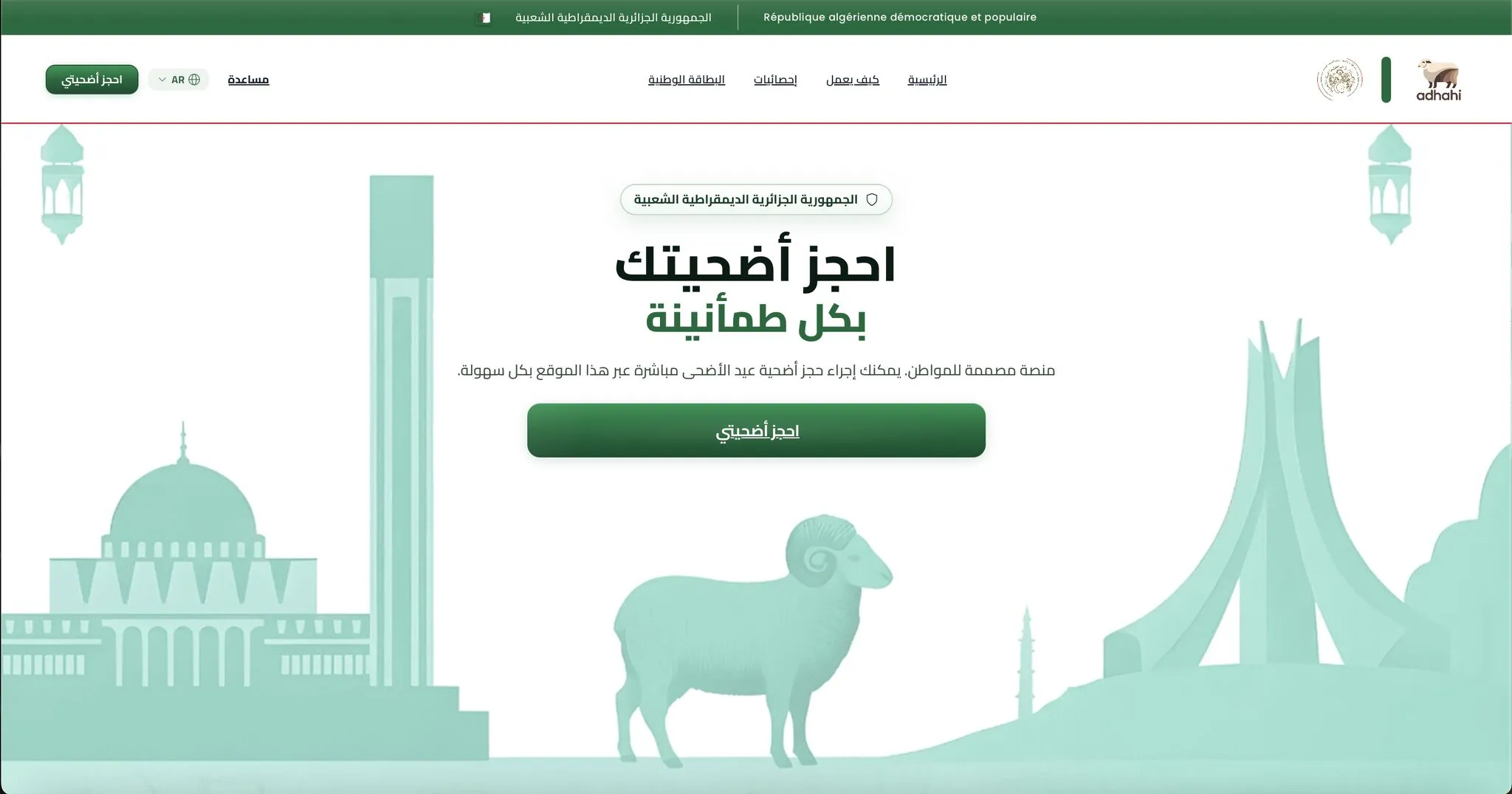
Image: Algerie Eco
Takeaway
The Algerian government's intervention in the sheep market, including price caps and online sales platforms, presents both opportunities and risks for livestock importers and retailers. Companies should closely monitor the digital platform's effectiveness and consumer adoption rates. Investors should also track Algeria's efforts to diversify import sources, as this could impact the market share of established suppliers like Romania.
Algeria has initiated the online reservation and sale of imported sheep in preparation for Eid al-Adha 2026, Minister of Agriculture, Rural Development and Fisheries, Yacine Oualid, announced on Saturday, April 18, 2026. The process will be conducted exclusively online, with varying prices depending on the payment method. Concurrently, a shipment of 14,800 sheep arrived at the port of Annaba from Romania as part of a national program aiming to import one million heads of livestock to stabilize the market for the religious holiday.
This large-scale import operation is part of a broader government strategy, initiated in 2025, to ensure sufficient supply and prevent price hikes during Eid al-Adha. President Abdelmadjid Tebboune decided to import one million sheep for the 2026 Eid al-Adha. The government has implemented customs and fiscal exemptions on sheep imports until June 30, 2026. In 2024, Algeria imported $7.81 million worth of sheep and goats, primarily from Romania. The country is also working to diversify its import sources, including Spain, Romania, Brazil, Uruguay, Ireland, and Mauritania.
The Ministry of Agriculture, through the public company Agrolog, has engaged professional operators for live livestock transport and established fully equipped quarantine facilities to conduct thorough veterinary inspections. All livestock will remain under continuous surveillance until Eid to ensure health compliance. The government has capped the sale price at 50,000 DZD (~$370) to protect citizens from speculation. A digital platform will provide real-time tracking of shipments and quotas, enabling citizens to schedule purchases at the nearest points in their wilayas.
The import of live sheep from Brazil was approved in August 2025, marking a shift in Algeria's livestock supply strategy due to a five-year drought that has crippled domestic production. In 2024, Algeria imported US$7.8 million worth of live sheep exclusively from Romania. Kenya is also planning to export sheep to Algeria ahead of Eid al-Adha, following discussions between officials from both countries. Kenya exported about $2 million worth of sheep and goats in 2024, almost entirely to Oman and Tanzania.
Looking ahead, the success of the online sales platform and the effectiveness of the price controls will be key indicators to watch. The Ministry of Agriculture is preparing an ambitious program to gradually phase out the importation of seeds and seedlings to ensure food security and reduce the country's import bill. Continued diversification of import sources and investments in domestic livestock feed production, such as the new unit in Biskra developed by CRSTRA, will be crucial for long-term stability.