Algeria Invests Over $24 Billion in Railway Development, Eyes Southern Expansion
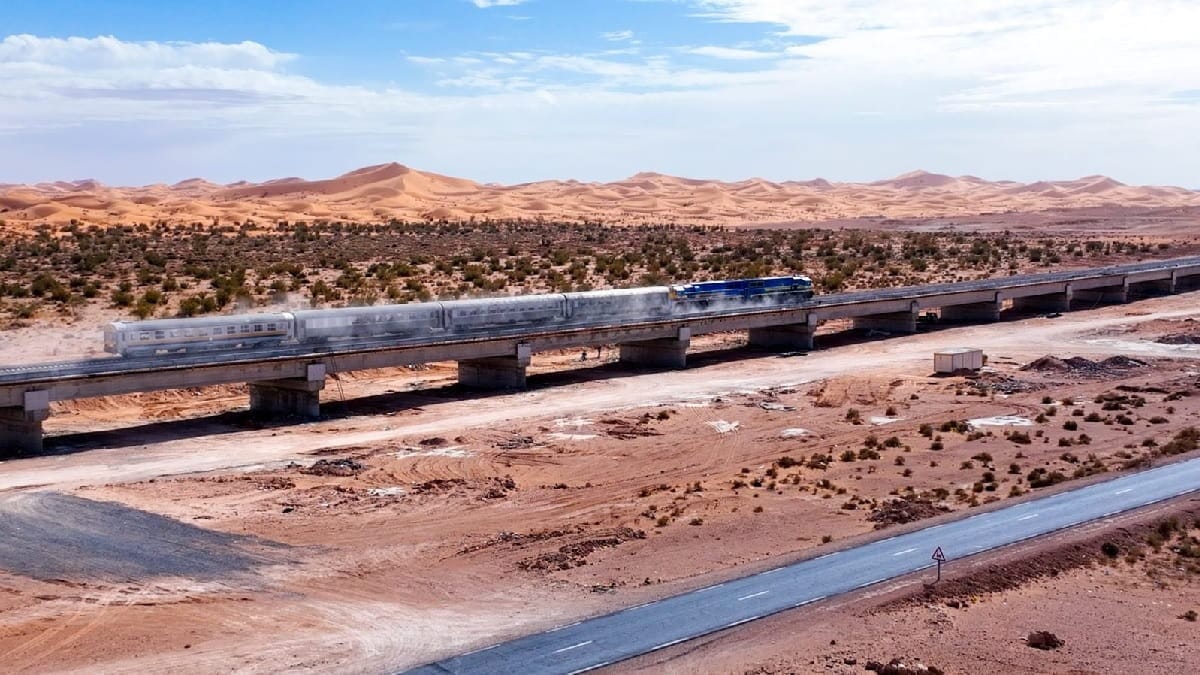
Image: TSA
Takeaway
Investors should monitor the progress of railway projects, particularly the Gara Djebilet line, as it will significantly impact the mining sector. Construction companies and suppliers of railway equipment stand to benefit from these large-scale infrastructure investments.
Algeria is significantly expanding its railway infrastructure with investments exceeding $24 billion, aiming to modernize its network and unlock economic opportunities in the south. The government has allocated $4 billion specifically for acquiring new trains to support this ambitious plan. A key project is the construction of a 495 km railway line connecting Laghouat, Ghardaïa, and El Ménéa, designed to enhance connectivity between southern regions and stimulate socio-economic growth for local populations. The national railway company, SNTF, has also announced daily overnight train services between Oran and Bechar, utilizing trains equipped with sleeping accommodations to ensure comfortable travel.
This railway expansion is part of Algeria's broader strategy to diversify its economy and reduce reliance on hydrocarbons. The development of railway infrastructure is crucial for exploiting mineral deposits, such as the iron ore mines at Gara Djebilet in Tindouf and Bled el Hadba in Tébessa. These projects aim to integrate remote areas into the national economy and facilitate the transportation of resources. The vision of a "desert train" whistling in Tindouf, 2,000 kilometers southwest of Algiers, is becoming a tangible reality, with plans to extend the railway to Adrar, Tamanrasset, and eventually to the borders of Niger and Mali.
The railway projects involve complex engineering and logistics, requiring the acquisition of modern trains and the construction of thousands of kilometers of new tracks. The Oran-Bechar line utilizes specialized night trains with sleeping compartments, indicating a focus on passenger comfort and long-distance travel. These investments align with global trends in railway modernization, where countries are leveraging rail to improve transportation efficiency and support economic development. Comparable projects in other resource-rich nations demonstrate the potential for railways to unlock mineral wealth and connect remote regions.
The railway development is expected to benefit various sectors, including mining, construction, and tourism. The Gara Djebilet iron ore mine, in particular, stands to gain from improved transportation infrastructure, enabling the efficient movement of iron ore to processing facilities and export markets. Local communities along the railway lines will also benefit from increased economic activity and improved access to goods and services. However, the projects also pose challenges, including the need for skilled labor, effective project management, and environmental protection.
Looking ahead, the completion of the Laghouat-Ghardaïa-El Ménéa line and the extension of the railway to Tamanrasset will be key milestones to watch. The government's ability to attract private investment and ensure the sustainable operation of the railway network will also be critical factors. Any delays in project implementation or fluctuations in commodity prices could impact the economic viability of the railway projects. The next few years will be crucial in determining the success of Algeria's railway revolution.