Algeria Has Second Cheapest Gasoline Prices in Arab World at $0.363 Per Liter
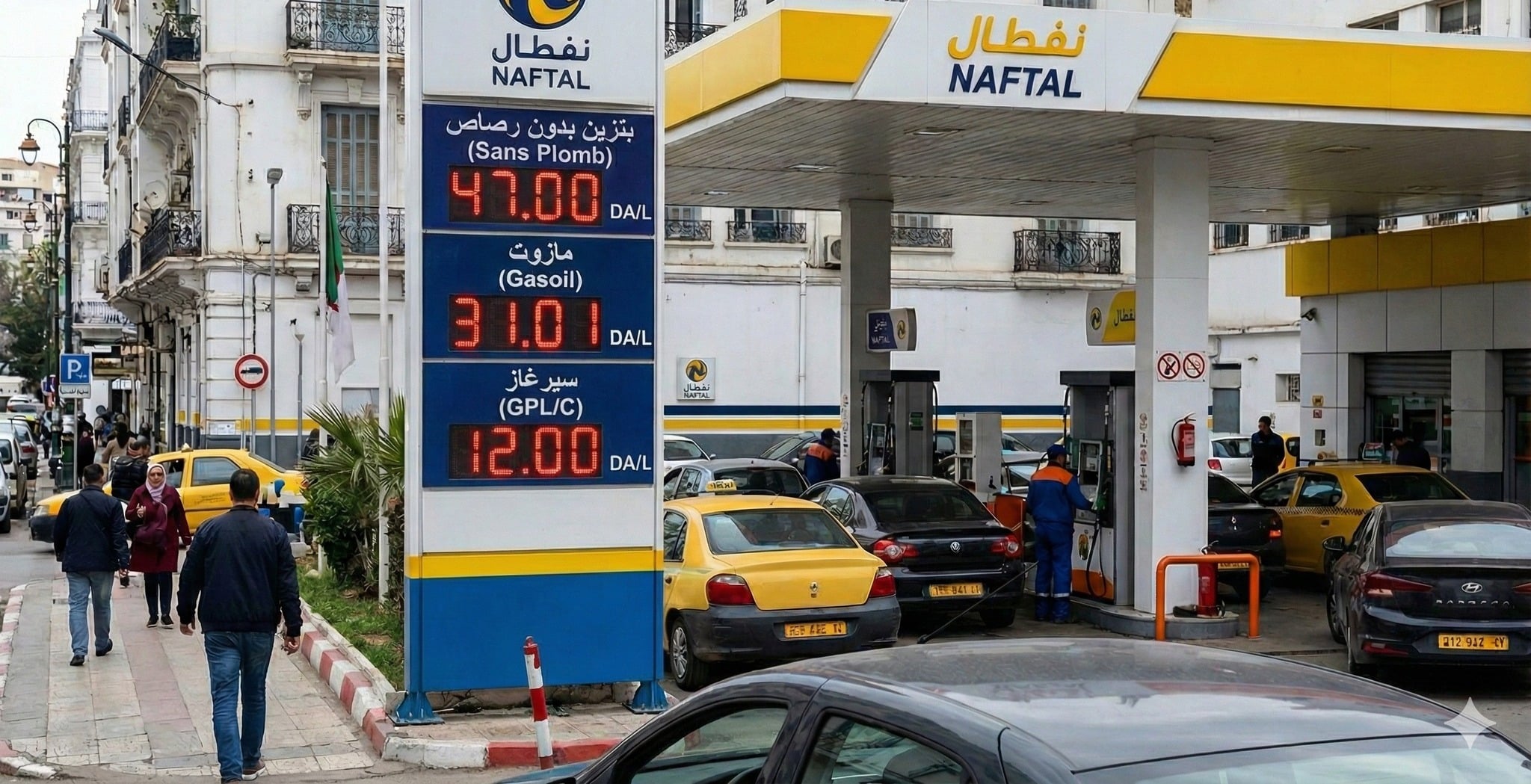
Image: Echorouk
Takeaway
The wide gap between Algeria's subsidized gasoline prices and the global average creates arbitrage opportunities and distortions in regional fuel markets. Energy traders should monitor Algerian fuel exports and cross-border flows, as any policy changes could significantly impact supply dynamics and profitability. Investors in Algerian logistics and transportation should assess the potential impact of subsidy reforms on operating costs and competitiveness.
As of February 2026, Algeria boasts some of the lowest gasoline prices in Africa, with a liter costing $0.363. This places Algeria sixth globally and second in the Arab world, trailing only Libya. Despite a slight decrease in prices, the global average gasoline price has risen to $1.30 per liter, compared to $1.28 per liter previously. These figures were reported by the Energy Research Unit.
Algeria's low fuel prices are a result of long-standing government subsidies aimed at maintaining social stability. These subsidies have been a key feature of Algeria's economic policy for decades, influencing household spending and transportation costs. While beneficial for consumers, these policies have also placed a strain on the national budget, particularly during periods of high global oil prices. The country's approach to energy pricing reflects a broader strategy of balancing economic realities with social considerations.
The global average gasoline price of $1.30 per liter highlights the significant disparity between Algeria and international markets. Factors influencing global gasoline prices include crude oil costs, refining capacity, geopolitical events, and local taxes. The relatively stable price of $0.363 per liter in Algeria insulates consumers from these global fluctuations, but also creates potential distortions in the domestic market.
Algeria's subsidized fuel prices benefit consumers and businesses reliant on transportation, providing a competitive advantage compared to countries with higher energy costs. However, the policy also creates an incentive for fuel smuggling to neighboring countries where prices are higher, potentially straining domestic supply and costing the government revenue. International investors should consider the implications of these subsidies on the long-term sustainability of Algeria's energy sector and fiscal policy.
Looking ahead, any adjustments to Algeria's fuel subsidy policy will likely be gradual and carefully managed to avoid social unrest. Key indicators to watch include global oil prices, the government's fiscal position, and public sentiment regarding economic reforms. Potential scenarios include targeted subsidies for low-income households or a gradual increase in prices coupled with compensatory measures.