Algeria Eases Pharma Import Rules Amid Supply Concerns, Prioritizes Market Stability
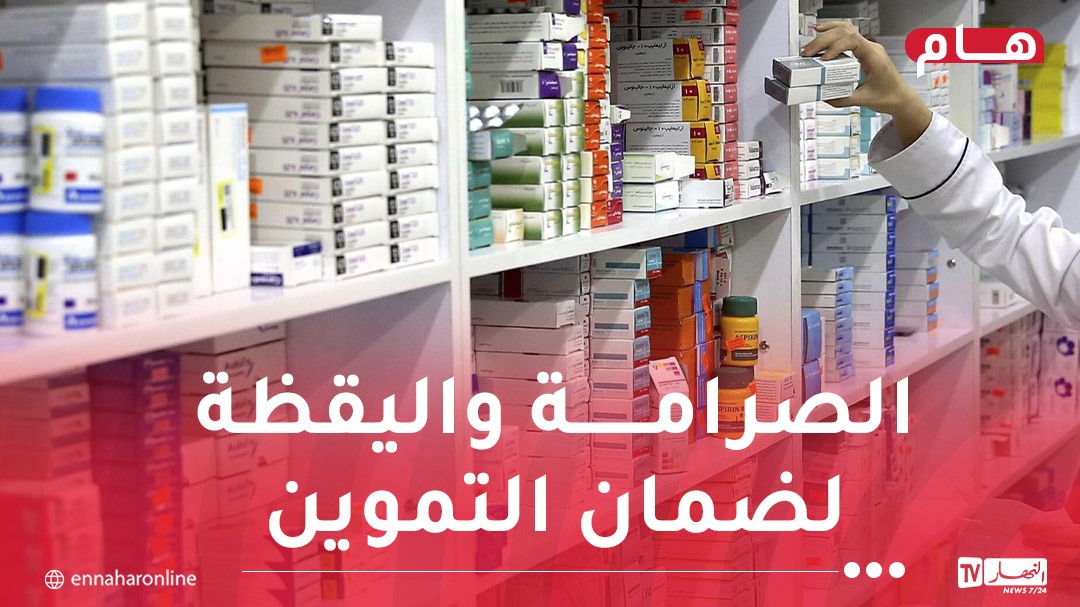
Image: Ennahar
Takeaway
The Algerian Ministry of Pharmaceutical Industry's decision to ease import regulations and enforce stock distribution presents both opportunities and risks for international investors. Companies with robust supply chain management and efficient distribution networks are best positioned to capitalize on the streamlined import process. However, investors should closely monitor inventory levels and potential disruptions to avoid penalties for non-compliance with the new distribution mandates.
Algeria's pharmaceutical industry is facing a period of adjustment as the Ministry of Pharmaceutical Industry navigates international supply chain disruptions and domestic market stability. In response to potential shortages stemming from geopolitical tensions in the Middle East, the ministry is urging pharmaceutical companies involved in manufacturing, importing, and distribution to exercise vigilance in securing raw materials. Simultaneously, the ministry is taking steps to streamline import procedures to ensure a consistent supply of essential medicines.
Administrative procedures for pharmaceutical imports are being eased, with the Ministry of Pharmaceutical Industry removing the requirement for a pharmaceutical regulation certificate for importing raw materials. This decision, communicated to the Association of Banks and Financial Institutions (Abef) on April 1, 2026, aims to simplify the banking domiciliation process for imports. The ministry is also mandating that stakeholders in the drug supply chain immediately begin distributing available stocks of products facing shortages, with a deadline of Monday, April 6, 2026, to restore market equilibrium and ensure pharmacies are well-stocked.
These measures reflect Algeria's ongoing efforts to strengthen its pharmaceutical sector, which is the second largest on the continent with a value of approximately $3 billion. The government has been actively working to modernize the industry through the Ministry of Pharmaceutical Industry (MOPI) and the National Agency for Pharmaceutical Products (ANPP). Located in Staoueli, Dely Ibrahim, Algiers, the ANPP is responsible for the registration, approval, and quality control of pharmaceutical products and medical devices in Algeria.
The relaxation of import conditions is expected to benefit both local manufacturers and international suppliers by reducing bureaucratic hurdles and ensuring a more reliable flow of raw materials. However, stricter enforcement of stock distribution could put pressure on companies to manage their inventories more efficiently and avoid hoarding. The policy changes may also impact the competitive landscape, potentially favoring companies with established supply chains and efficient distribution networks.
Industry observers will be closely monitoring the effectiveness of these measures in the coming weeks. Key dates to watch include the April 6, 2026 deadline for stock distribution and any further announcements from the Ministry of Pharmaceutical Industry regarding import regulations or supply chain management. The success of these interventions will be crucial in maintaining public health and confidence in the Algerian pharmaceutical market.