Algeria Boosts Logistics, Eyes Chinese Port Partnership Amid Export Drive
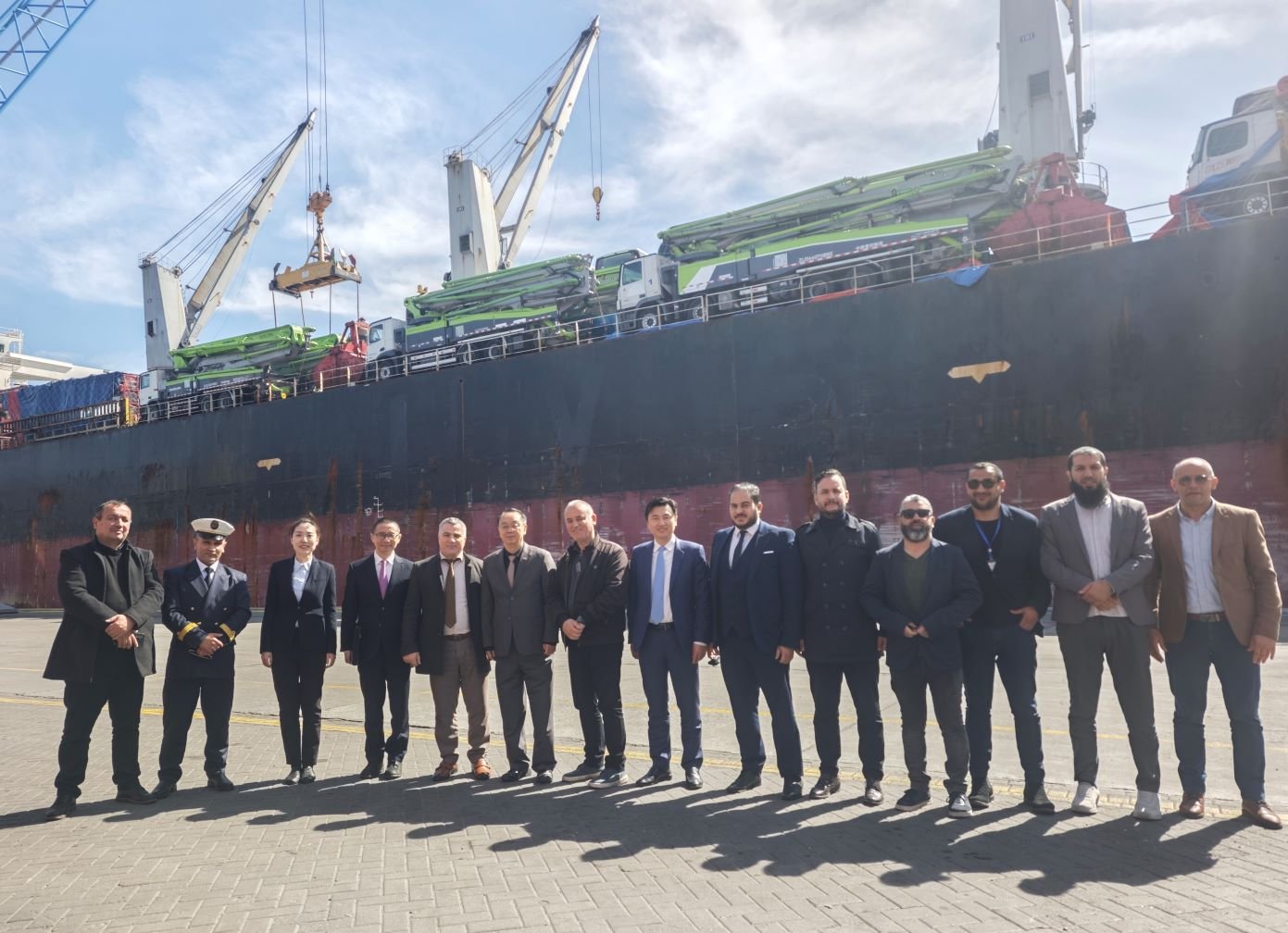
Image: Algerie Eco
Takeaway
The potential twinning of the Port of Algiers with a Chinese port signals deeper integration with China's Belt and Road Initiative, which could offer preferential access to Chinese markets and investment. International shipping companies and port operators should assess how these developments might shift regional trade routes and competitive dynamics. Keep an eye on the terms of any agreement between Algiers and a Chinese port, as this could set a precedent for future infrastructure deals in Algeria.
Algeria is accelerating its logistics development as part of a national strategy to boost exports outside of hydrocarbons. Minister of Foreign Trade and Export Promotion, Kamal Rezig, recently chaired a coordination meeting focused on activating logistical pathways and addressing exporter concerns. On March 18, 2026, the Chinese Ambassador to Algeria, Dong Guangli, visited the port of Algiers to discuss economic relations and proposed a partnership with a Chinese port to support trade and investment.
This push for improved logistics comes as Algeria aims to diversify its economy and reduce reliance on oil revenues. In June 2025, the government launched a strategy to increase date export revenues to $250 million per year, expanding exports from 57 to 150 countries. However, challenges remain, including inadequate packaging, limited brand recognition, smuggling, and poor cold chain logistics. In July 2024, Algeria took three key decisions: creating a company specializing in maritime works and extending the ports of Djen Djen and Annaba with a rail link for phosphate exports.
The port of Djen Djen received a shipment of 420 new buses for public transportation on March 18, 2026. Two ships arrived simultaneously on March 17, 2026, with the "ER NAZIRE" carrying 200 buses and the "SHENG CHENG HAI" transporting 220. Meanwhile, expansion works at the port of Annaba are expected to be completed by the end of 2026, adding a 1,600-meter mineral quay with a 16-meter depth capable of handling up to 10 million tonnes per year of phosphate and related products. This quay is linked to the Bled El-Hadba phosphate mine in Tebessa via rail.
Improved logistics infrastructure and port capacity will benefit Algerian exporters, particularly in sectors like agriculture and manufacturing. The rail link connecting the phosphate mine to the port of Annaba is expected to cut export transport costs and improve the profitability of Algeria's phosphate value chain. A ten-year, $10 billion investment program has been launched, marking a new phase in Algeria's logistics ambitions. Conversely, companies that rely on inefficient supply chains or lack access to modern logistics infrastructure may face competitive disadvantages.
Looking ahead, the proposed partnership between the port of Algiers and a Chinese port could significantly enhance trade and investment flows between the two countries. The completion of the Annaba port expansion by the end of 2026 will be a key milestone in Algeria's efforts to boost non-hydrocarbon exports, with a target of $13 billion by 2030, nearly double the $7 billion recorded in 2023. Investors should monitor the progress of these projects and the implementation of the national logistics strategy to assess the evolving opportunities and risks in the Algerian market.