Algeria Boosts Livestock Imports for Eid al-Adha; Romanian Sheep Arrive in Algiers, Bejaia
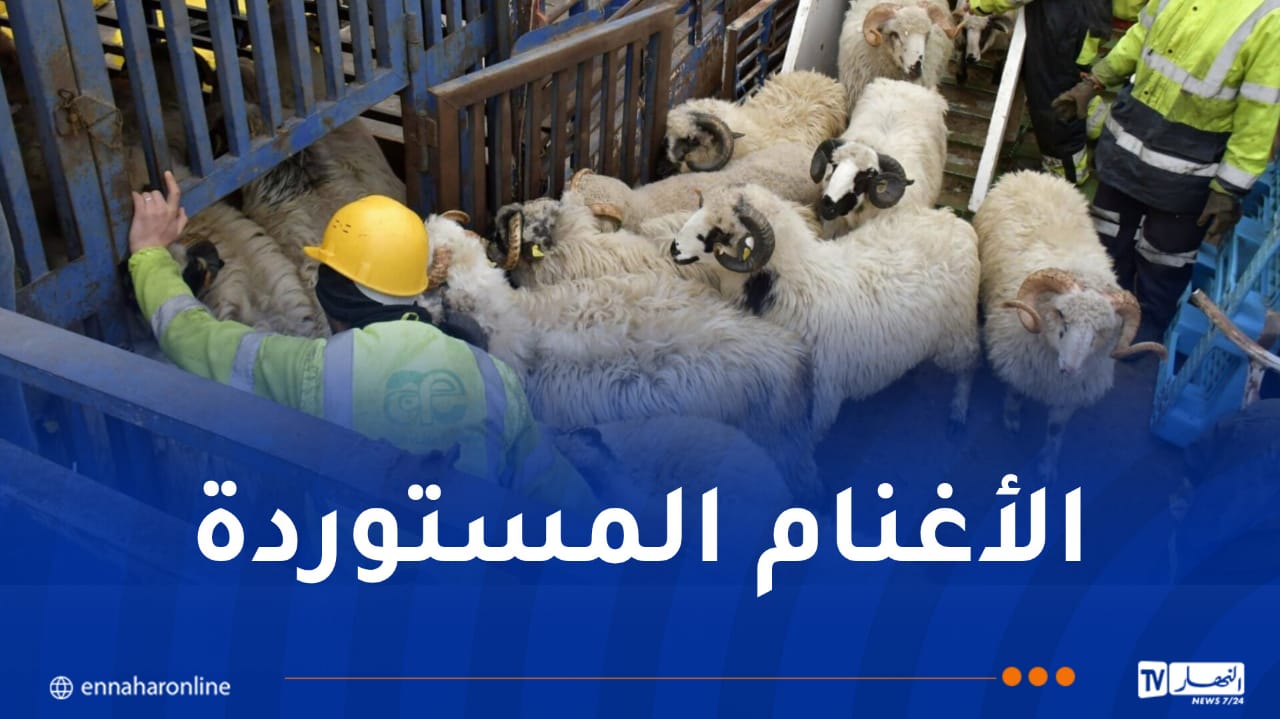
Image: Ennahar
Takeaway
The Algerian government's decision to import livestock on a large scale presents both opportunities and risks for international suppliers. Companies in Spain, Romania, Brazil, and Uruguay stand to benefit from increased export volumes. However, they must navigate Algeria's import regulations and logistical challenges. Investors should monitor the performance of these companies and the overall impact of Algeria's import strategy on the global livestock market.
Algeria is ramping up livestock imports in preparation for Eid al-Adha, with recent shipments of sheep arriving from Romania at the ports of Algiers and Bejaia. The Falcon vessel docked at the Port of Algiers on Tuesday, March 31, 2026, carrying an unspecified number of sheep intended for the holiday. Meanwhile, the Port of Bejaia received a shipment of 6,560 sheep on Monday night, also originating from Romania. These imports are part of a broader national program to ensure an adequate supply of livestock and stabilize the local market during the Eid al-Adha festivities.
Eid al-Adha, also known as Eid el-Kbir, is a significant religious festival in Algeria and across the Muslim world, commemorating Ibrahim's willingness to sacrifice his son. To ensure sufficient supply and stabilize prices during the high-demand period, Algeria has been implementing a strategy of importing livestock. In 2025, the government imported one million sheep from Spain and Romania to address a nationwide shortage. For the 2026 holiday, President Abdelmadjid Tebboune has authorized the import of one million sheep. The General Tax Directorate (DGI) issued a memo, based on Article 121 of the 2026 Finance Act, outlining tax exemptions for these imports.
The Algerian government has implemented extensive logistical measures to manage the influx of imported livestock. The Port of Algiers has allocated all necessary human and logistical resources to process the arriving vessels and ensure the smooth transfer of the animals to designated استقبال sites. The Ministry of Agriculture, Rural Development and Fisheries has mobilized resources across national ports to guarantee optimal reception conditions. Veterinary services are also deployed to conduct sanitary inspections, complementing checks performed in the countries of origin. Following clearance, the livestock is transported via specialized vehicles to quarantine zones equipped with feed, water, and continuous health monitoring.
The import strategy aims to benefit Algerian consumers by ensuring the availability of affordable livestock for the Eid al-Adha sacrifice. In 2025, imported sheep were sold for around 40,000 dinars (~$300), while local sheep were priced between 85,000 and 160,000 dinars. President Tebboune announced that the retail price of imported sheep for Eid al-Adha 2026 would be capped at 50,000 dinars (~$370). This initiative may impact local livestock farmers, who could face competition from the cheaper imported animals.
Algeria is expected to continue accelerating the pace of sheep imports through May 20, 2026, with operations scheduled to continue through May 20, 2026. The imports will come from international suppliers, including Spain, Romania, Brazil, and Uruguay. A digital platform has been introduced to provide real-time oversight of the entire import process, tracking shipments, vessel identification, cargo specifications, and distribution stages. Investors and executives should monitor the effectiveness of these logistical and monitoring systems, as well as the impact of the import strategy on local livestock prices and market dynamics.