OPEC+ Boosts Oil Output Amid Middle East Conflict; Prices Expected to Surge
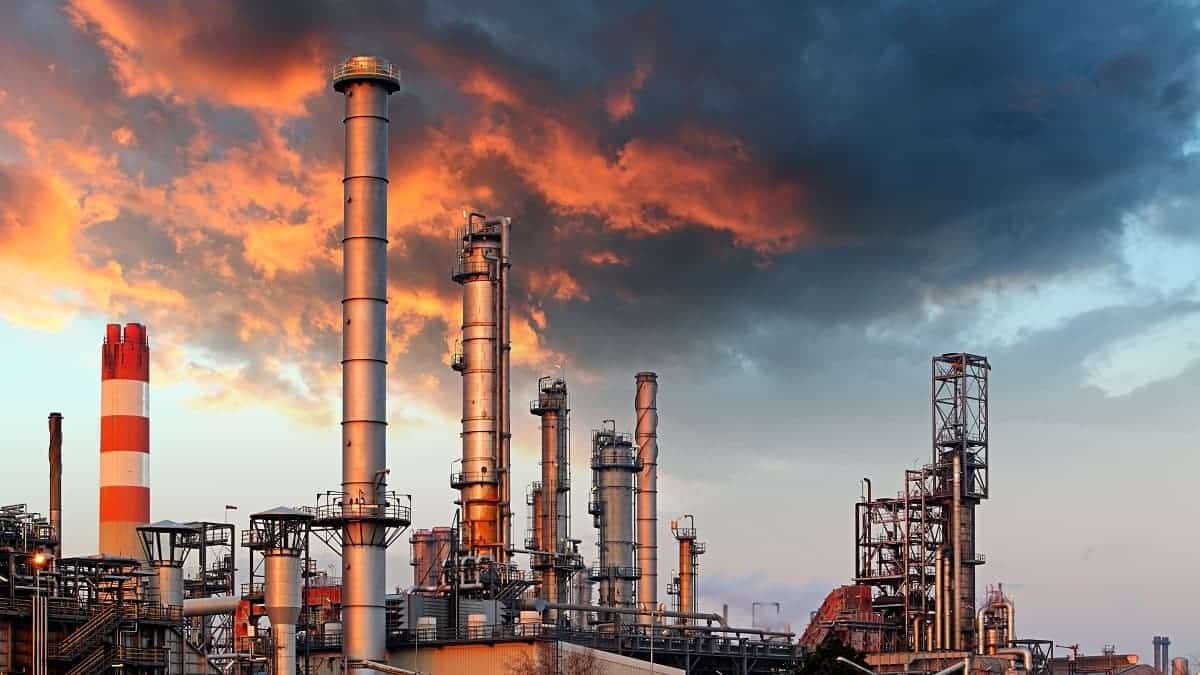
Image: TSA
Takeaway
The 206,000 barrel per day production increase by OPEC+ is unlikely to calm markets, as logistics and transit risks outweigh production targets. Energy traders should closely monitor shipping activity in the Strait of Hormuz, as disruptions there will have a far greater impact on prices than the modest output increase. Companies with significant exposure to Middle Eastern oil should hedge their positions to mitigate potential price spikes.
In response to the escalating conflict between the U.S., Israel, and Iran, eight OPEC+ countries, including Algeria, agreed on Sunday, March 1, 2026, to increase crude oil production by 206,000 barrels per day starting in April. The decision, made during a meeting planned before the outbreak of war, aims to stabilize the market amidst disruptions to oil shipments from the region. The countries increasing output include Saudi Arabia, Russia, Iraq, the United Arab Emirates, Kuwait, Kazakhstan, Algeria, and Oman.
The conflict, triggered by U.S. and Israeli strikes against Iran, has raised concerns about potential disruptions to maritime transport, particularly through the Strait of Hormuz, a critical chokepoint for global oil supplies. Approximately 20% of the world's oil, equivalent to about 15 million barrels per day, passes through this strait. The Iranian Revolutionary Guards have reportedly contacted ships to announce the closure of the strait. This closure could lead to a loss of 8 million to 10 million barrels per day of crude oil supply.
Analysts anticipate a surge in oil prices when markets open, with some predicting Brent crude, the international benchmark, could rise by $20 per barrel. Amena Bakr, head of Middle East and OPEC+ research at Kpler, expects prices to range between $85 and $90 per barrel. Prior to the conflict, Brent crude traded at over $72, a seven-month high. A prolonged conflict and continued blockade of the Strait of Hormuz could push prices above $100 per barrel. Algeria itself will increase its oil production by 6,000 barrels per day in April. In January 2026, Algeria's crude oil production was 968,000 barrels per day.
The rise in oil prices could have significant implications for the global economy, potentially increasing inflationary pressures and recession risks. A $10 increase in oil prices could add 0.3-0.4% to inflation. Sectors heavily reliant on oil, such as airlines and shipping, would be particularly vulnerable. However, net energy exporters like the U.S. may be less affected. The closure of the Strait of Hormuz would disproportionately impact Asia, which relies heavily on Middle Eastern oil.
Market participants will closely monitor developments in the Gulf and the status of shipping flows through the Strait of Hormuz. Any further escalation of the conflict or prolonged disruption to oil supplies could lead to even higher prices. The next OPEC+ meeting will be a key event to watch for further production adjustments. Rystad Energy analysts warn that the agreed production increase may not be sufficient to offset the impact of the conflict on oil prices.