Carrefour Faces Business Hurdles in Algeria Amidst Payment Difficulties
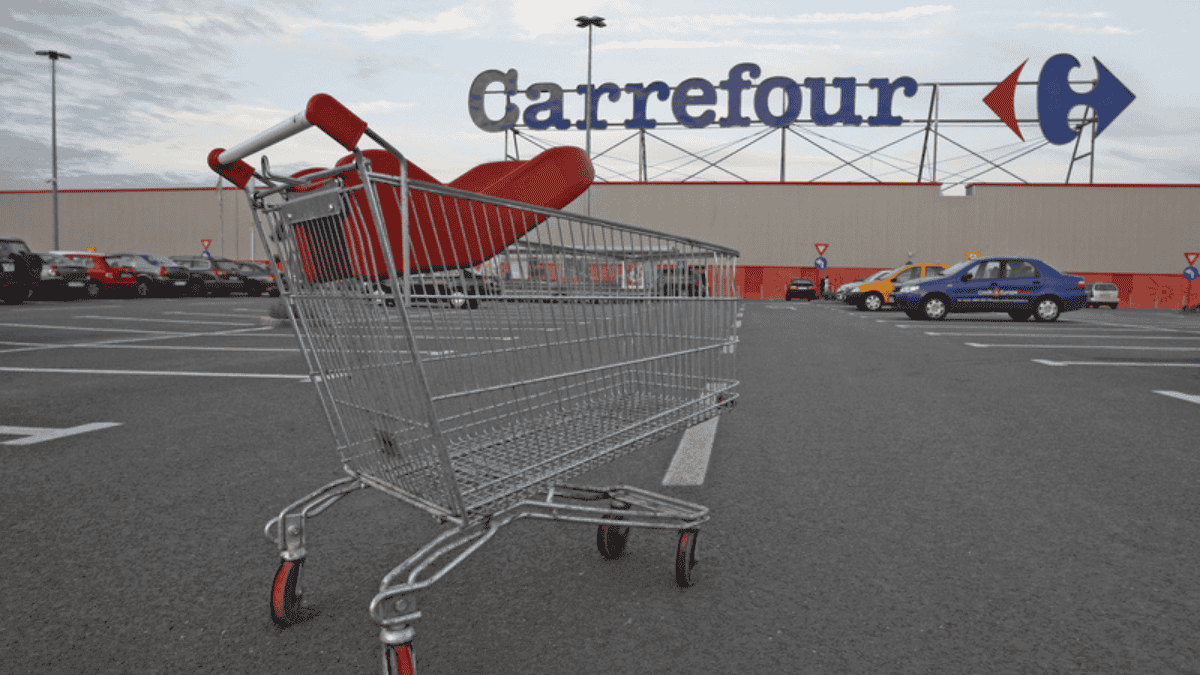
Image: TSA
Takeaway
Carrefour's struggles in Algeria highlight the challenges international retailers face in navigating complex emerging markets. Investors should closely monitor Carrefour's financial performance in Algeria and its broader strategy for African expansion, as potential losses could impact the company's overall profitability. Suppliers should diversify their distribution channels to mitigate risks associated with Carrefour's payment difficulties.
French retail giant Carrefour is currently navigating a challenging period in Algeria, marked by payment difficulties that are seriously compromising its future in the country. The local representative of Carrefour has been struggling to meet financial obligations to suppliers for several months, leading some to suspend deliveries. In response to reports about its financial situation, Carrefour acknowledged these 'perturbations' in a statement to TSA on February 12th, 2026.
Carrefour initially entered the Algerian market in the mid-2000s, partnering with local holding company Arcofina. However, the partnership ended in 2009 after opening only one of a planned 18 stores, with Arcofina citing difficulties in securing land as a major roadblock. Carrefour returned to Algeria after a five-year absence, planning to open a hypermarket in Algiers in March 2015 with an investment of €10 million. Despite these efforts, the retail sector in Algeria remains highly fragmented, dominated by small, privately-owned stores and informal vendors.
The Algerian retail sector is characterized by a mix of public and private companies, with private businesses controlling 95% of the retail trade. Traditional grocery retailers remain the most popular distribution channel, despite increasing urbanization. The packaged food market in Algeria reached US$13.1 billion in 2023, representing a 39.9% growth rate since 2019. It is expected to reach US$19.2 billion by 2028. Carrefour competes with other retailers such as Uno from Numidis SpA and Ardis (Arcofina Holding) in this fragmented market.
Carrefour's difficulties could benefit local competitors like Numidis, known in Algeria by the brand name UNO, a subsidiary of the Cevital group. Cevital has 23 UNO stores in the country, including 5 hypermarkets and 1 supermarket. The situation may also impact suppliers, potentially leading to further supply chain disruptions and price increases for consumers. The Algerian government's efforts to reduce imports and control spending, as part of its 2019 Economic Development Strategy, could further complicate Carrefour's operations.
Looking ahead, it is crucial to monitor Carrefour's negotiations with its suppliers and any potential restructuring plans. Any decisions regarding Carrefour's long-term presence in Algeria will likely depend on its ability to resolve its payment issues and adapt to the competitive landscape. The Algerian retail market is projected to continue growing, but Carrefour's ability to capture a significant share remains uncertain given its current challenges.