Algeria Tightens Import Regulations, Mandates Proforma Invoices by April 15
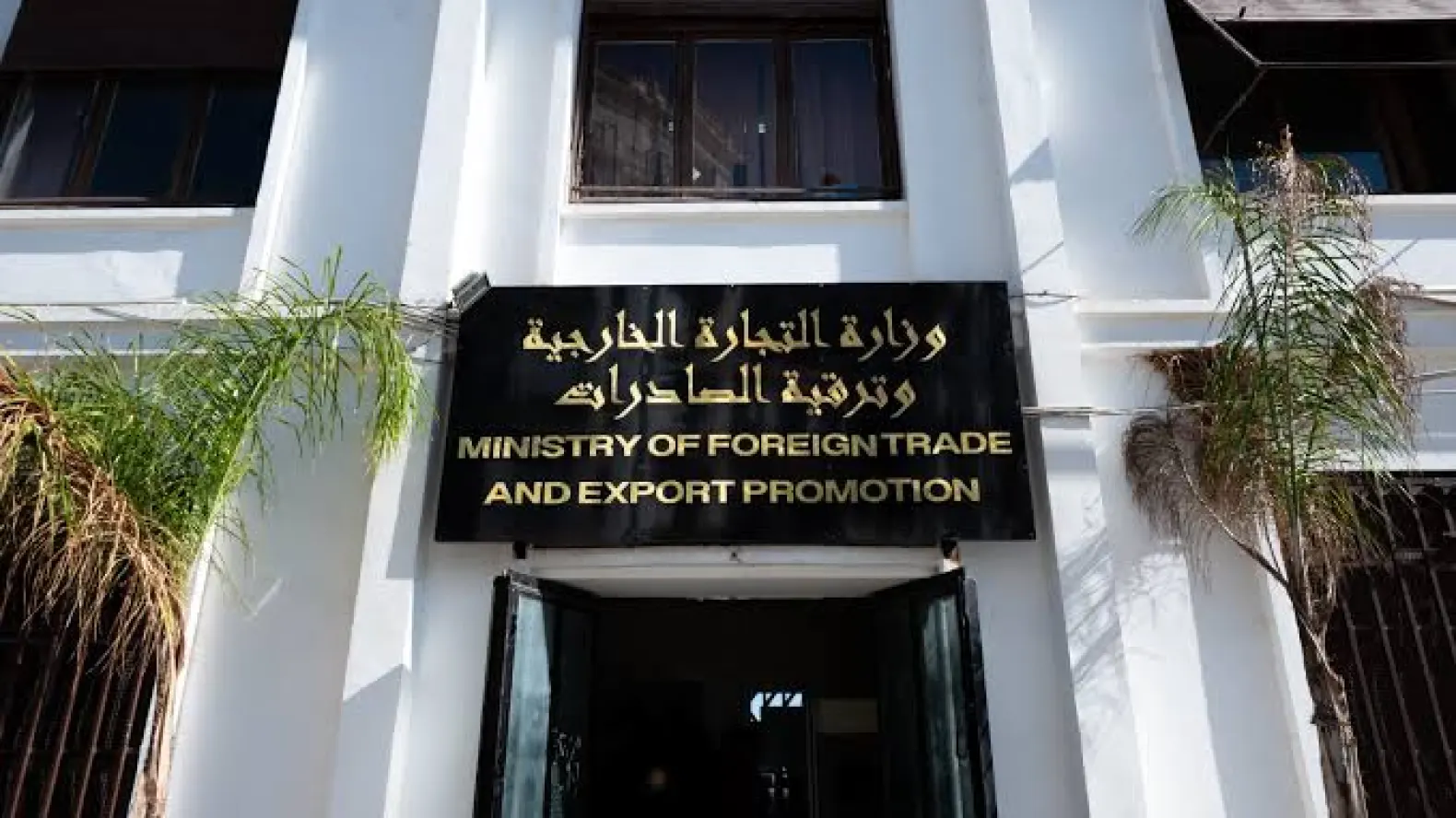
Image: Algerie Eco
Takeaway
International investors and exporters should closely monitor Algeria's evolving import regulations and ensure compliance with all deadlines to avoid disruptions. The focus on domestic production and import substitution may create opportunities for companies willing to invest in local manufacturing or partner with Algerian firms. Companies should also leverage the Ministry of Commerce's resources for information on economic conditions and opportunities.
Algeria's Ministry of Foreign Trade and Export Promotion is intensifying its control over imports, requiring economic operators involved in planned import programs (PPI) for equipment and/or under the AAPI (Algerian Agency for Investment Promotion) for the first half of 2026 to submit their proforma invoices before April 15. This directive, announced on Tuesday, March 31, 2026, is the latest in a series of measures designed to monitor and regulate import operations.
The move builds upon the establishment of the Programme prévisionnel d’importation (PPI) in July 2025, which has seen the government progressively tightening import procedures. The Ministry of Commerce centralizes and distributes information and statistics on businesses operating in Algeria, and economic conditions and opportunities. These measures align with the government's broader economic strategy of optimizing resources, reducing import volumes, and protecting domestic production networks. In October 2025, Algeria established the Algerian Import Authority, supervised by the Ministry of Foreign Trade, to monitor and regulate import operations and combat unfair business practices.
The requirement for proforma invoices is expected to provide the Ministry with greater oversight of import activities. Since April 2022, the Agence nationale de la Promotion du Commerce Extérieur (ALGEX) had been responsible for issuing unavailability certificates for goods intended for importation into Algeria for resale in the same condition. These certificates were a prerequisite for authorizing imports and aimed at protecting national production. The most-favored-nation (MFN) applied tariff for Algeria averaged 18.9% in 2022, with agricultural products facing an average MFN tariff of 23.7% and non-agricultural products 18.1%.
The new regulation will likely impact international companies exporting to Algeria, as they must ensure their Algerian partners comply with the April 15 deadline. Companies failing to submit the required documentation risk delays in import approvals and potential disruptions to their supply chains. Sectors considered sensitive or strategic in Algeria, such as energy, pharmaceuticals, and agriculture, will likely face increased scrutiny. The 2026 Finance Act also includes customs provisions related to micro-importation, allowing citizens engaged in this activity to benefit from the self-entrepreneur status.
Economic operators should closely monitor further announcements from the Ministry of Foreign Trade and Export Promotion regarding import regulations. The government's focus on digitalization, as highlighted by President Abdelmadjid Tebboune, suggests that future import procedures may increasingly rely on digital platforms. Businesses should also be aware of the exceptional voluntary tax regularization system, with a declaration deadline set for December 31, 2026, allowing regularization through a one-time 8% tax.