Algeria Tenders for 50,000 Tonnes of Wheat Amid Food Security Push
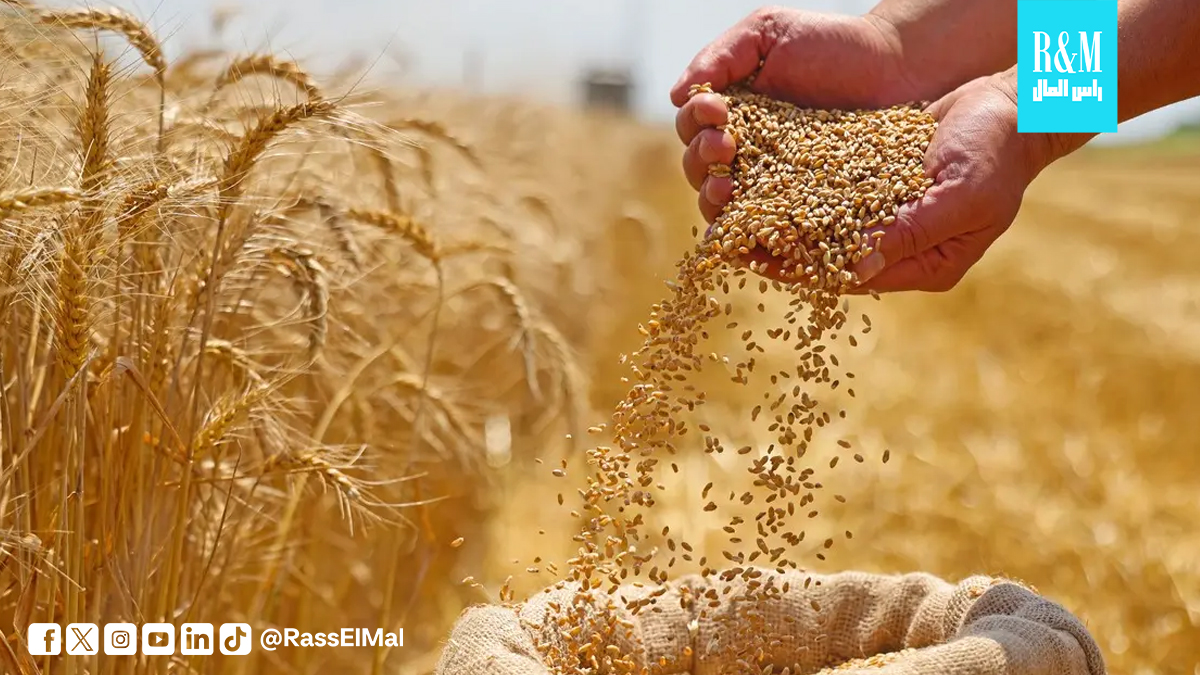
Image: Rass El Mal
Takeaway
The wheat tender highlights Algeria's ongoing dependence on imported grains despite efforts to boost domestic production. Grain traders with established relationships with OAIC, such as Cargill and Louis Dreyfus Company, are likely to benefit. Investors should monitor global wheat prices and freight rates, as these factors will influence Algeria's import costs and potentially impact the profitability of food processing companies operating in the country.
The Algerian Inter-professional Office of Cereals (OAIC) has launched an international tender for the purchase of milling wheat. The initial tender is for 50,000 tonnes, with the possibility of an increase depending on market conditions and national needs. European traders reported that the shipment periods are scheduled throughout July, reflecting ongoing efforts to secure food supplies. The tender specifies that shipments are to be delivered in two stages from primary supply regions, including Europe.
Algeria has been actively working to bolster its food security through various initiatives. In September 2025, the government streamlined sheep acquisition for Eid al-Adha via a digital platform and imported 16,250 sheep through the Port of Ténès to stabilize prices. In 2024, Algeria allocated DZD 562.9 billion (~$4.2 billion) to support the agriculture sector, aiming to increase domestic production and reduce reliance on imports. This followed a 2023 initiative where the government offered subsidized loans to farmers to encourage increased wheat cultivation, with a target of achieving self-sufficiency in wheat production by 2025, a goal that has not yet been met.
Wheat is a staple food in Algeria, with annual consumption estimated at around 11 million tonnes. Domestic production typically covers about 30-40% of the country's needs, with the remainder met through imports. Algeria's storage capacity for cereals is approximately 7 million tonnes, distributed across various silos and storage facilities. The country's main suppliers of wheat have historically been France, Canada, and Argentina, although Algeria has been diversifying its sources in recent years to mitigate risks associated with geopolitical tensions and supply chain disruptions.
The tender benefits international grain traders and wheat producers in Europe and other key exporting regions, who can compete for the supply contract. Conversely, it may put pressure on local Algerian farmers to remain competitive in terms of price and quality. The increased import activity could also impact global wheat prices, particularly if Algeria decides to increase the tender volume beyond the initial 50,000 tonnes. The Algerian government's efforts to stabilize prices through imports are aimed at protecting consumers from inflationary pressures on essential food items.
The results of the tender are expected to be announced in the coming weeks, providing insights into the pricing and supply conditions in the global wheat market. Future tenders are likely to follow, depending on the success of domestic wheat harvests and the overall demand for wheat in Algeria. The government's long-term strategy includes investments in agricultural technology and infrastructure to enhance domestic production capacity and reduce reliance on imports, with specific projects slated for review in the 2027 budget cycle.