Algeria's Pharmaceutical Industry Mandates Strict Medicine Stock Monitoring Amidst Geopolitical Tensions
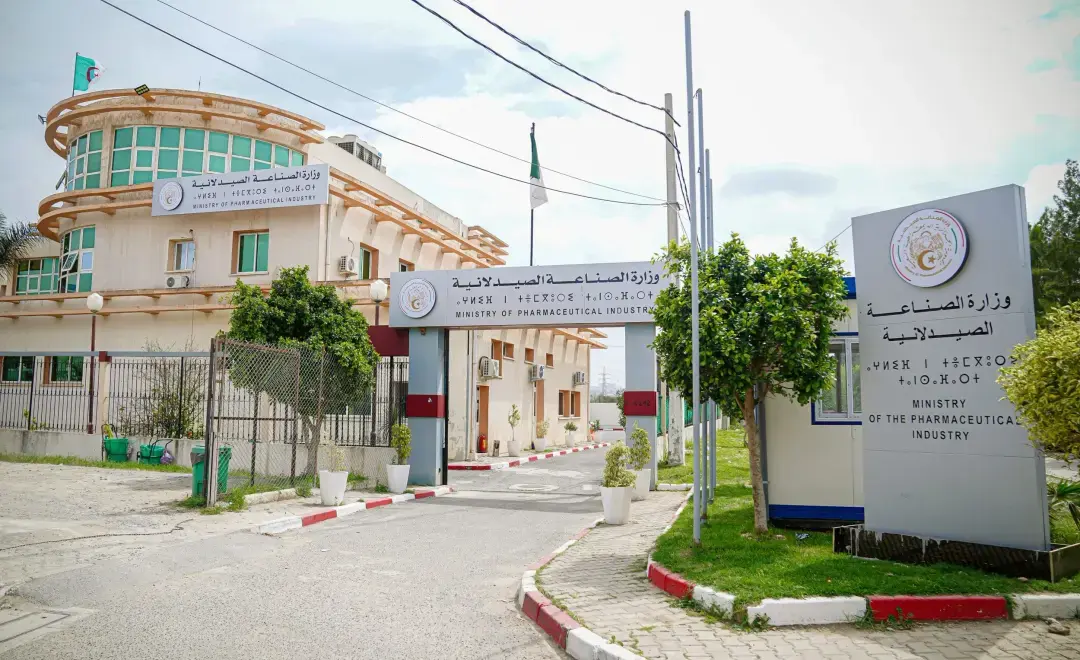
Image: Algerie Eco
Takeaway
The Ministry's directive highlights the importance of supply chain resilience for pharmaceutical companies operating in Algeria. International investors should assess the potential impact of geopolitical risks on their portfolios and consider diversifying their investments across different segments of the healthcare sector. Monitoring Medlink and the Southern Hydrogen Corridor will provide insights into potential disruptions and alternative supply routes.
In response to escalating geopolitical tensions in the Middle East and potential disruptions to supply chains, Algeria's Ministry of Pharmaceutical Industry has directed pharmaceutical operators to closely monitor their medicine stocks. The ministry is requiring these operators to report any difficulties they encounter to ensure the continued availability of pharmaceutical products within the national market. This directive was issued on April 5, 2026, as a proactive measure to mitigate potential shortages stemming from regional instability.
The ministry's action reflects Algeria's broader strategy to bolster its domestic pharmaceutical production and reduce reliance on imports. This initiative aligns with the country's economic diversification efforts, aiming to move away from a heavy dependence on hydrocarbons. The Algerian government has been actively promoting local manufacturing in the pharmaceutical sector to meet 70% of national needs. In 2021, the country ratified the treaty establishing the African Medicines Agency (AMA) to increase pharmaceutical trade among African nations.
The Algerian pharmaceutical market is considered one of the largest in the Middle East and Africa, with substantial growth in recent years. The market was estimated at $4 billion USD, according to the Algerian Minister of Pharmaceutical Industry. To boost the sector, a new Ministry of Pharmaceutical Industry was created in June 2020. There are 97 drug-manufacturing plants spread across 21 wilayas.
The Ministry's directive will likely impact pharmaceutical manufacturers, importers, and distributors operating in Algeria. Companies such as Sanofi, Novo Nordisk, and Pfizer, which have established manufacturing plants in Algeria, will need to ensure their supply chains are robust. Local companies like Groupe Saidal, Merinal Laboratories, and Biopharm will also play a crucial role in maintaining medicine availability. International investors should closely monitor Algeria's pharmaceutical supply chain dynamics, as the current disruptions and government interventions could create both risks and opportunities for companies involved in manufacturing, distribution, and retail.
Looking ahead, the effectiveness of the Ministry's stock monitoring initiative will be crucial in ensuring a stable supply of medicines. The ministry will likely assess the reports submitted by pharmaceutical operators to identify potential vulnerabilities in the supply chain and take corrective measures. Continuous monitoring of geopolitical developments in the Middle East and their potential impact on Algeria's pharmaceutical supply chains will be essential in the coming months.