Algeria Launches $471 Million Amizour Zinc-Lead Mine Project in Bejaia
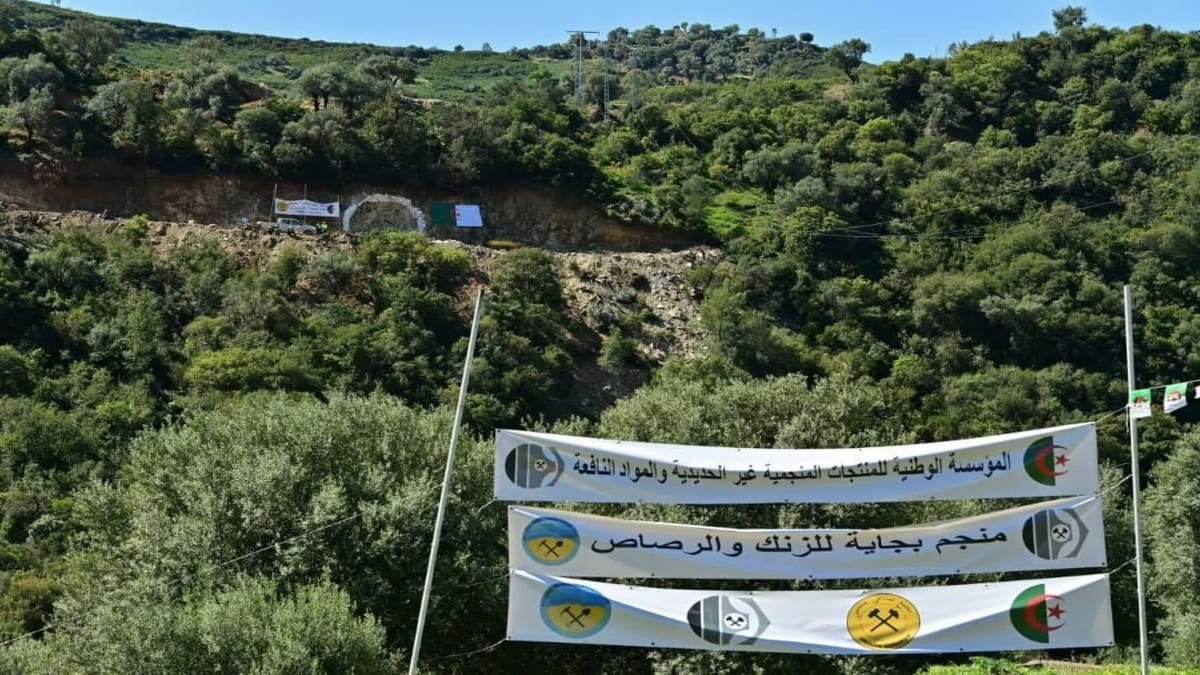
Image: TSA
Takeaway
The Amizour mine's projected annual output of 170,000 tons of zinc and 30,000 tons of lead positions Algeria as a notable player in the global non-ferrous metals market. Investors should monitor Western Mediterranean Zinc's operational performance and offtake agreements, as successful execution could catalyze further investment in Algeria's mining sector.
Algeria commenced operations at the Amizour zinc and lead mine in Bejaia on March 17, 2026, marking a significant step in the country's economic diversification strategy. Prime Minister Sifi Ghrieb, acting on instructions from President Abdelmadjid Tebboune, presided over the launch ceremony for the project located between Amizour and Tala Hamza. The mine is operated by the Algerian-Australian joint venture Western Mediterranean Zinc.
The Amizour mine is part of Algeria's broader strategy to reduce reliance on hydrocarbon revenues and build a diversified industrial base. This follows the launch of iron ore extraction at Gara Djebilet and precedes the anticipated start of production at the Tébessa phosphate deposit in 2027. The General Union of Algerian Traders and Craftsmen (UGCAA) views the mining sector as crucial for the nation's economic transformation, shifting away from dependence on oil.
The Amizour deposit contains approximately 34 million tons of exploitable ore, ranking it among the world's largest zinc and lead deposits. The $471 million project is expected to produce 2 million tons of raw ore annually. A dedicated processing plant will extract approximately 170,000 tons of zinc concentrate and 30,000 tons of lead each year, with the concentrate reaching around 60% purity. The underground mining process employs advanced engineering solutions to ensure efficient and environmentally sensitive extraction.
The project is expected to generate annual revenues of 215 million dinars (~$1.59 million) and achieve a return on investment within five years. The mine is projected to create 780 direct jobs and over 4,000 indirect jobs, boosting regional development. By producing zinc and lead locally, Algeria aims to reduce its import bill and strengthen industrial autonomy, with surplus production exported to international markets.
Industry observers should monitor the mine's output and its impact on global zinc and lead markets. Professor Malek Ould Hamou, director of the mining engineering laboratory, noted that the exploitation phase is scheduled to begin in March 2026. The project includes constructing a road linking the mine to the highway at kilometer 13 in Tala Hamza, along with connecting the mine to electricity and gas networks.