Algeria and India Strengthen Ties at 7th Political Consultations in Algiers
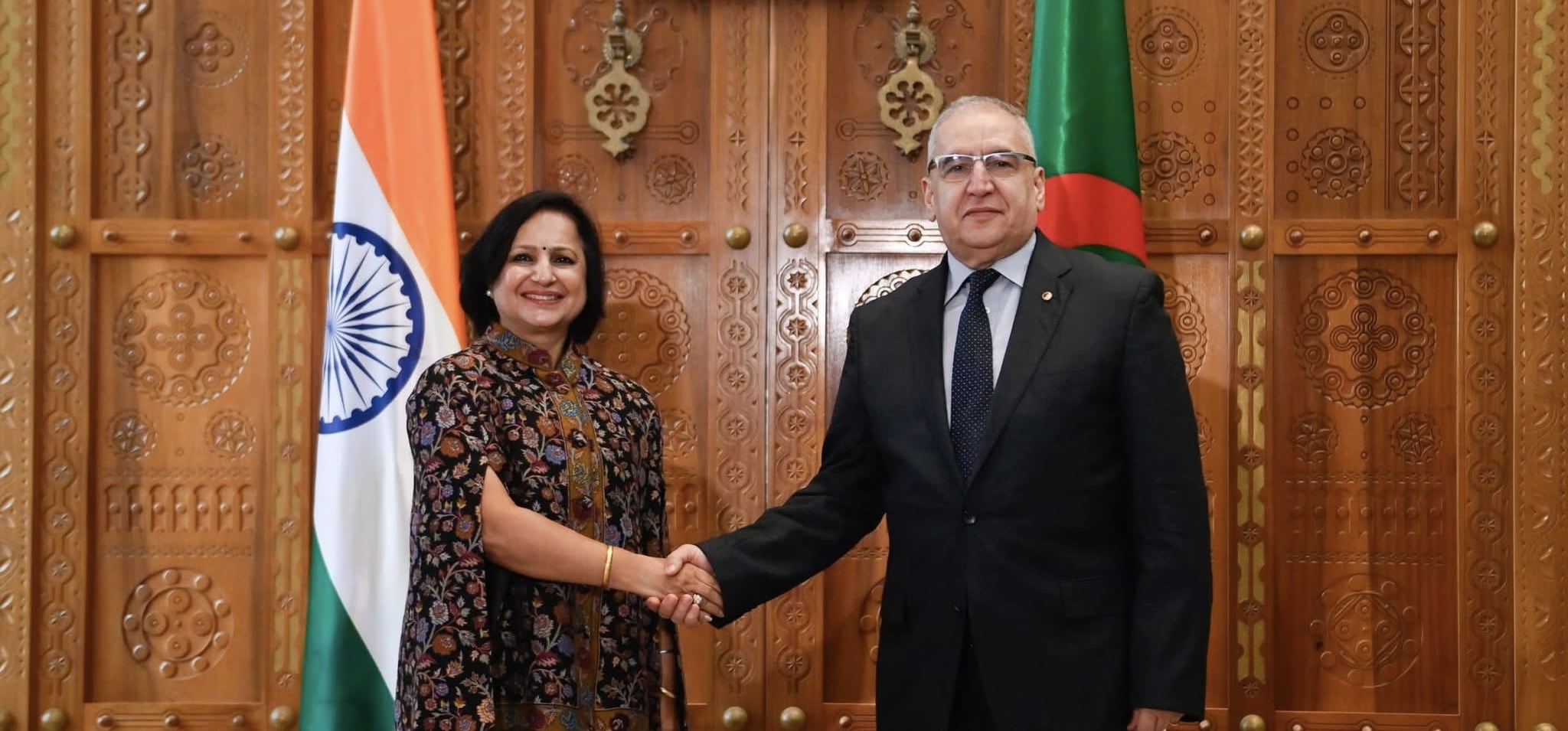
Image: El Mawkie
Takeaway
The deepening Algeria-India relationship presents opportunities for international investors and energy executives. Monitor Indian investments in Algerian infrastructure projects, particularly in the energy sector. Increased Algerian LNG exports to India could impact global LNG pricing and supply dynamics, potentially tightening spot markets for European buyers.
The 7th session of political consultations between Algeria and India took place on Sunday, March 29, 2026, in Algiers. The consultations were co-chaired by the Secretary-General of the Algerian Ministry of Foreign Affairs, Lounas Magramane, and the Undersecretary of the Indian Ministry of External Affairs in charge of Cooperation with Southern Countries, Nina Malhotra. The meeting served as a platform to strengthen the historical ties and cooperation between the two nations.
Algeria and India established diplomatic relations in July 1962, the same year Algeria gained independence from France. Since then, the two countries have maintained cordial relations, with India supporting Algeria's liberation movement. Both nations were founding members of the Non-Aligned Movement (NAM). High-level visits, including those by Prime Ministers Indira Gandhi in 1973 and Rajiv Gandhi in 1985, as well as Algerian Presidents Chadli Bendjedid and Abdelaziz Bouteflika, have solidified these ties over the years.
Bilateral trade between Algeria and India has seen considerable growth, reaching a peak of $2.9 billion in 2018. Although trade declined to $1.5 billion in 2021 due to the COVID-19 pandemic and import restrictions, it rebounded to $2.1 billion in 2022. In 2024-25, trade stood at $1.71 billion, with Indian exports amounting to $947.04 million and imports to India at $760.06 million. Key exports from India to Algeria include rice, pharmaceutical products, polyethylene terephthalate, and boneless meat, while Algeria exports petroleum oils, LNG, and natural calcium phosphates to India. Several Indian companies, including Sonalika, Prime Pharmaceuticals, and BDR Pharmaceuticals, operate in Algeria across various sectors.
The strengthened political and economic cooperation between Algeria and India is expected to benefit both nations. Increased trade and investment flows will likely boost economic growth and create employment opportunities. Indian companies in sectors like pharmaceuticals, automotive, and engineering stand to gain from access to the Algerian market, while Algeria can benefit from Indian expertise in areas like space technology and infrastructure development. Mutually, both countries support each other on issues at bilateral and multilateral levels.
Looking ahead, further collaboration is anticipated in renewable energy, IT, and infrastructure development. The next Joint Commission Meeting (JCM) is scheduled to be held in India, which will further solidify the ties. Observers should monitor trade flows, investment announcements, and the implementation of cooperative agreements to gauge the evolving dynamics of this strategic partnership. Any shifts in global energy markets or geopolitical tensions could influence the trajectory of Algeria-India relations.