Algeria and EU Conduct Comprehensive Partnership Assessment, Seek Enhanced Cooperation
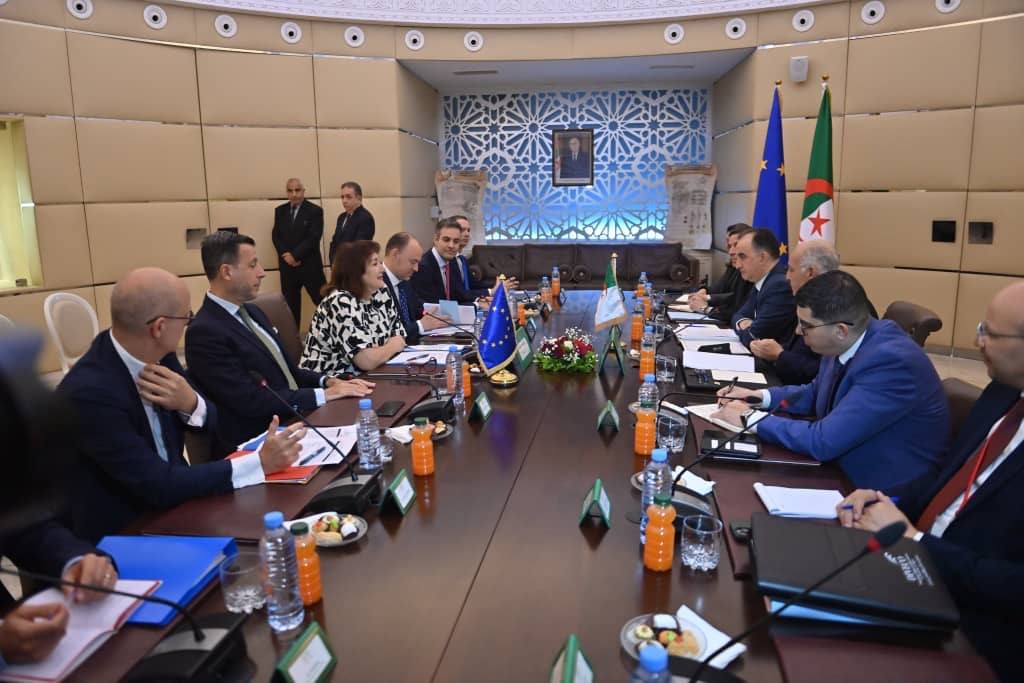
Image: AL24 News
Takeaway
The EU's engagement with Algeria is increasingly vital for European energy security, particularly as the continent seeks alternatives to Russian gas. Energy investors should closely monitor the progress of the Galsi pipeline and any policy shifts resulting from the EU's trade review. Increased Algerian gas exports to Europe could benefit companies like Eni and TotalEnergies, while potentially increasing competition for LNG cargoes in Asia.
Algerian Minister of Foreign Affairs Ahmed Attaf received Dubravka Šuica, the European Union Commissioner for Democracy and Demography, in Algiers on May 5, 2026, for an official visit. During the meeting, both parties conducted a comprehensive assessment of the various dimensions of the partnership between Algeria and the EU. Discussions focused on ways to inject greater momentum, dynamism, and balance into the relationship, aligning with mutually defined objectives.
Algeria and the EU have maintained a complex relationship marked by periods of cooperation and tension. In 2005, the Association Agreement between Algeria and the European Union came into effect, establishing a framework for trade, political dialogue, and cooperation. Despite this agreement, trade disputes, particularly concerning agricultural products, have arisen, such as the EU's restrictions on Algerian date exports due to pesticide residue concerns in 2023. Security cooperation has also been a key aspect, with Algeria playing a crucial role in counter-terrorism efforts in the Sahel region, supported by EU funding and training programs.
The EU is a major trading partner for Algeria, primarily importing energy resources such as natural gas. In 2025, Algeria supplied approximately 11% of the EU's total natural gas imports, making it the third-largest supplier after Russia and Norway. The Trans-Mediterranean Pipeline (Transmed), with a capacity of over 30 billion cubic meters (bcm) per year, transports Algerian gas to Italy and other European markets. Algeria's efforts to diversify its energy mix include investments in renewable energy projects, such as the Desertec project, which aims to export solar power to Europe, although progress has been slow due to technical and political challenges.
Enhanced cooperation between Algeria and the EU could benefit European energy companies seeking to diversify their gas supply sources, such as Eni and TotalEnergies, both of which have existing partnerships with Sonatrach. Increased trade flows could also benefit Algerian agricultural producers, provided that they meet EU quality standards, potentially boosting exports of dates, olive oil, and wine. However, stricter EU environmental regulations could pose challenges for Algerian industries, requiring investments in cleaner technologies to maintain access to the European market.
In the near term, the outcomes of the EU's review of its trade policy towards Algeria, expected in late 2026, will be a key indicator of the partnership's future direction. The completion of the Galsi pipeline, which would connect Algeria directly to Sardinia and mainland Italy, remains a critical infrastructure project that could significantly increase gas export capacity, though financing and regulatory hurdles persist. Political stability in Algeria and the broader Maghreb region will also be crucial for maintaining investor confidence and ensuring the smooth implementation of joint projects.