Algeria Advances Gara Djebilet Iron Ore Project with $750+ Million Investment
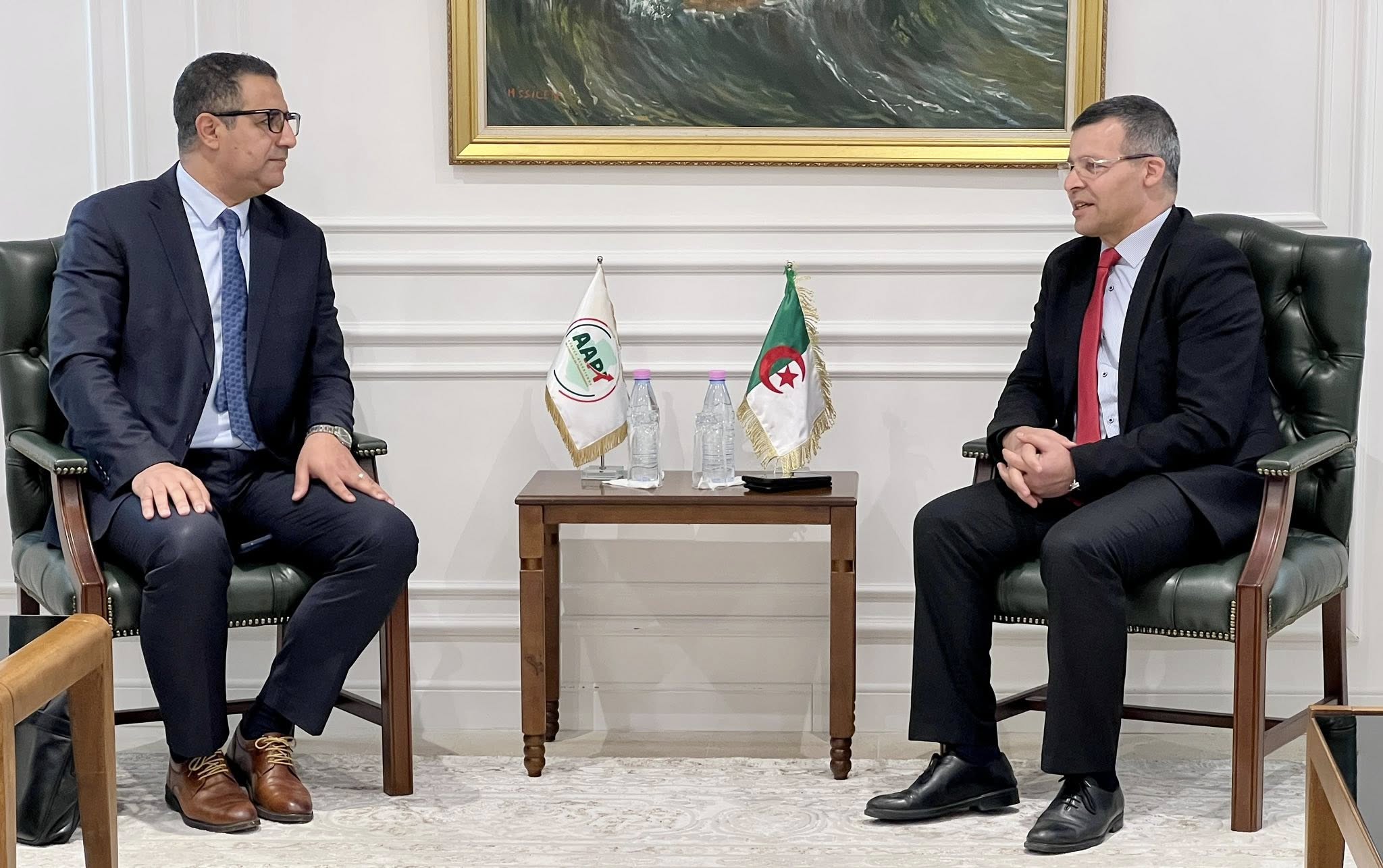
Image: Ennahar
Takeaway
International investors should monitor the Gara Djebilet project as a key indicator of Algeria's industrial diversification strategy. The project's success hinges on effective partnerships with Chinese firms like CMH and CPTDC, particularly in overcoming technical challenges related to ore processing. Companies in the steel, fertilizer, and railway sectors should assess potential opportunities arising from this project.
The Algerian Agency for Investment Promotion (AAPI), led by Director General Omar Rekkache, convened a meeting on Tuesday, March 31, 2026, to review the progress of the Gara Djebilet iron ore project, a key structural initiative for Algeria. The meeting, held at the AAPI headquarters, included Reda Belhadj, the CEO of the National Mining Research and Exploitation Company (SONAREM). The project aims to develop the iron ore reserves at the Gara Djebilet mine and boost Algeria's iron and steel industry.
The Gara Djebilet mine, discovered in 1952, is one of the world's largest iron ore deposits, holding an estimated 3.5 billion tons of iron ore. The project is part of Algeria's strategy to diversify its economy away from hydrocarbons and promote local processing and manufacturing. The mine is located approximately 130 kilometers southeast of Tindouf, near the Algerian-Mauritanian border. The Algerian government views the Gara Djebilet project as a means to reduce reliance on imported iron ore, potentially saving an estimated $1.2 billion annually.
The project focuses on extracting and processing iron ore for local steel production and export to Europe. The mine's ore is sedimentary and can be mined via open pit. A partnership agreement between the Algerian National Iron and Steel Company (FERAAL) and a Chinese consortium, CMH, aims to reach an iron ore production capacity of 2 million tons per year by 2026, increasing to 50 million tons by 2040. The project involves an investment exceeding $750 million. A 422-km railway line between Annaba and Tebessa is being expedited to facilitate the transport of iron ore.
The Gara Djebilet project seeks to produce 50 million tons of iron ore annually, which will be converted into approximately 25 million tons of marketable products. The project's core innovation lies in separating phosphorus from the iron ore, enabling the use of low-phosphorus iron for domestic steel production and the processing of recovered phosphorus into fertilizers and chemical inputs. This dual-use approach aligns with Algeria's policy of discouraging raw material exports in favor of semi-processed or fully manufactured products.
Looking ahead, the focus will be on monitoring the progress of the Gara Djebilet project and the construction of the Annaba-Tebessa railway line. Key factors to watch include SONAREM's partnerships with Chinese companies like CPTDC to address the high phosphorus content in the ore and the overall execution of the project. The success of Gara Djebilet will depend on policy coherence, industrial execution, and long-term commitment, potentially serving as a model for other resource-rich economies.