Tindouf Drinking Water Production to Increase to 30,000 Cubic Meters Daily
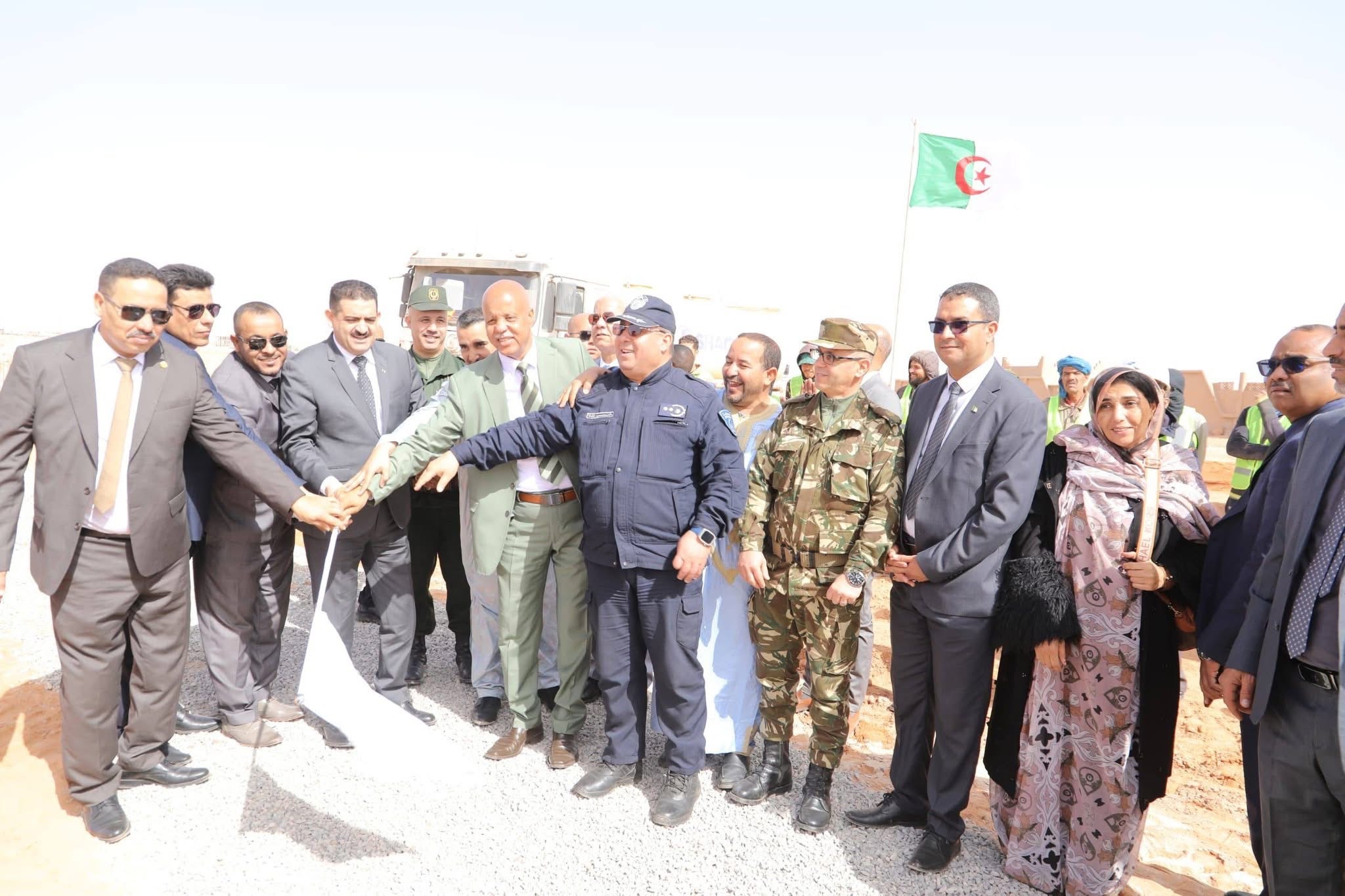
Image: El Mawkie
Takeaway
The increase in Tindouf's drinking water production capacity presents opportunities for companies specializing in water treatment technologies and infrastructure development. Investors should monitor the performance of Cosider Canalizations and other contractors involved in the project. The long-term financial viability of the desalination plant will depend on the government's water pricing policies and the availability of affordable energy.
Minister of Water Resources Taha Derbal initiated structural projects in Tindouf aimed at enhancing the supply and quality of drinking water, in line with President Abdelmadjid Tebboune's directives, on March 2, 2026. The projects include the launch of a new desalination plant with a capacity of 10,000 cubic meters, increasing the total daily drinking water production capacity in Tindouf to 30,000 cubic meters. The initiative also involves constructing desalination stations in Tindouf and Tamanrasset.
This expansion addresses historical water scarcity issues in southern Algeria, aligning with the government's broader strategy to improve living conditions and infrastructure in remote regions. In 2024, Algeria launched a national program to modernize its water infrastructure, allocating DZD 562.9 billion (~$4.2 billion) for desalination projects and water distribution networks. These investments are crucial for supporting population growth and economic development in areas like Tindouf, which are strategically important due to their proximity to international borders and resource deposits.
The new desalination plant will employ advanced reverse osmosis technology to treat brackish groundwater, reducing mineral content and ensuring compliance with international drinking water standards. Similar projects in other arid regions, such as the Middle East and North Africa, have demonstrated the effectiveness of desalination in providing a reliable water supply. The operational costs of the plant, including energy consumption and membrane replacement, will be factored into the long-term water pricing strategy for Tindouf.
The increased water supply will directly benefit the residents of Tindouf, improving public health and sanitation. Local businesses, particularly those in the agricultural and food processing sectors, will also gain from a more reliable water source. Construction companies involved in the project, such as Cosider Canalizations, are expected to see increased revenues. However, the project may face challenges related to energy supply, as desalination plants are energy-intensive. The reliance on non-renewable energy sources could also raise environmental concerns.
Future developments to watch include the completion of the Tamanrasset desalination station and the implementation of water management strategies to minimize waste and promote efficient use. The government is expected to announce further investments in water infrastructure in the coming months, with a focus on renewable energy sources to power desalination plants. Key indicators will be the volume of water produced, the cost per cubic meter, and the impact on local economic activity. Any delays in project implementation or increases in operational costs could negatively affect investor confidence.