South Korea Seeks Algerian Oil Amidst Middle East Tensions
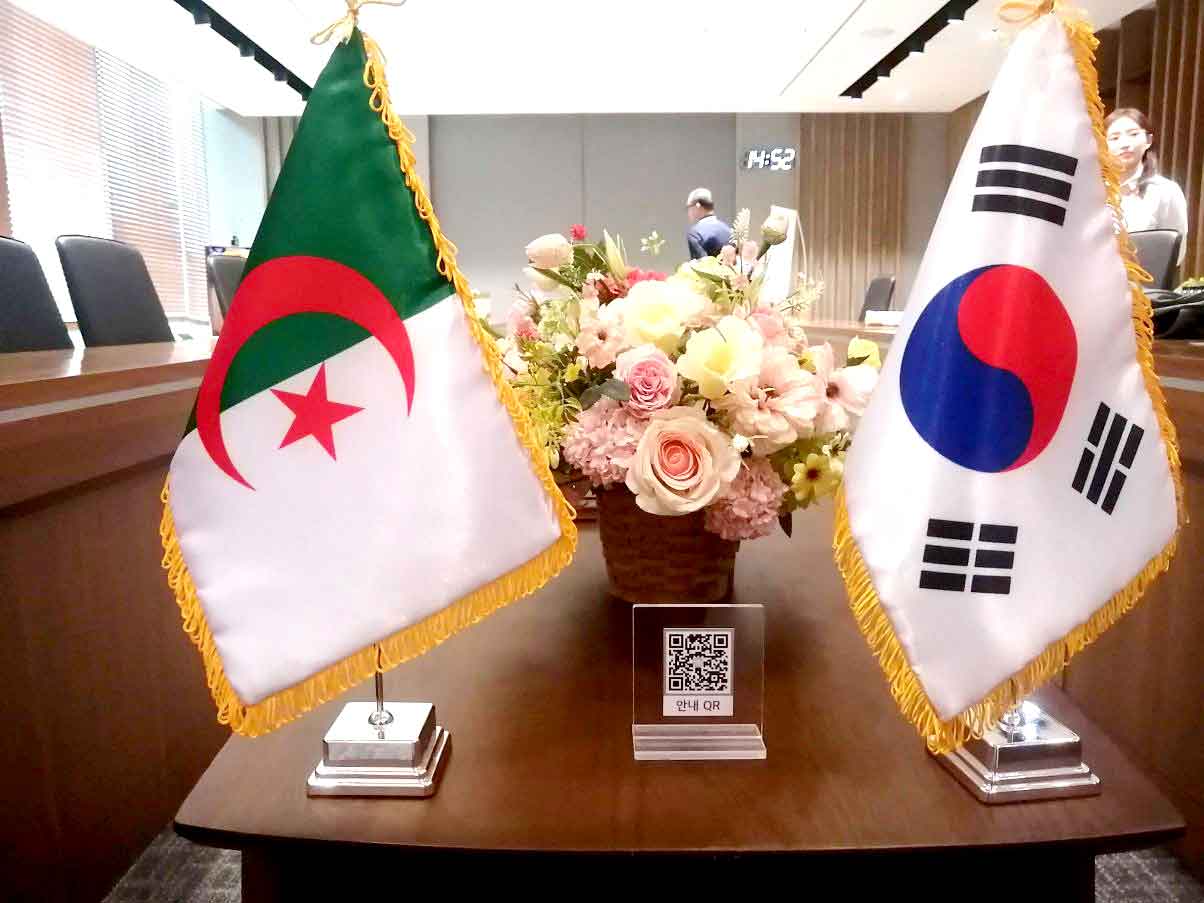
Image: AL24 News
Takeaway
The South Korean government's proactive engagement with Algeria and other oil-producing nations signals a strategic shift in its energy procurement strategy. Energy companies should monitor the development of alternative supply routes and the potential for increased LNG imports from Algeria, which could impact pricing dynamics in the Asian market. The deployment of South Korean vessels in the Red Sea also presents opportunities for shipping and logistics firms.
South Korea is intensifying its efforts to secure stable crude oil supplies, engaging with Algeria, Saudi Arabia, and Oman as potential alternative sources following disruptions in the Strait of Hormuz. The decision follows the US and Israel's military actions against Iran on February 28, which effectively blocked the Strait, a critical passage for South Korea's crude imports. Ruling Democratic Party lawmaker Ahn Do-geol announced on Monday that the government and party agreed to dispatch special envoys to these three countries to ensure a stable supply of crude oil.
South Korea's reliance on energy imports, particularly via the Strait of Hormuz which previously accounted for 70% of its crude oil, has made it vulnerable to geopolitical instability in the Middle East. President Lee Jae Myung acknowledged the necessity to "strike a balance and accept a certain degree of risk" in importing crude oil from the region, emphasizing the potential impact of supply cuts on South Korea's crude supply and public safety. Finance Minister Koo Yun-cheol met with envoys from Gulf Cooperation Council (GCC) member states on Friday to discuss securing a consistent supply of oil, liquefied natural gas (LNG), naphtha, urea, and other essential resources. The GCC member states include Saudi Arabia, United Arab Emirates, Qatar, Kuwait, Oman, and Bahrain.
The Industry Ministry is advancing plans to deploy five South Korean-flagged vessels on the Red Sea route, specifically to the Saudi port of Yanbu, where Saudi Arabia has started diverting millions of barrels of crude oil for ships that would have normally passed through the Strait of Hormuz. Officials have also considered using government-held oil reserves to supply private refiners initially, with swaps to be made once replacement cargoes secured overseas arrive in the country. The Energy Ministry is also aiming to reach 100 GW of renewable energy by 2030 and increase renewables' share to over 20%.
Algeria, holding 12.2 billion barrels of proven oil reserves as of 2025, ranks 16th globally and accounts for approximately 0.69% of the world's total oil reserves. In 2024, Algeria exported $48.2 billion in total, with petroleum gas ($21.7 billion) and crude petroleum ($13.2 billion) as its top exports. South Korea was a significant destination, importing $3.63 billion worth of Algerian goods. In February 2026, South Korea's primary imports from Algeria included refined petroleum ($208 million) and crude petroleum ($196 million).
Looking ahead, the success of South Korea's diplomatic efforts with Algeria, Saudi Arabia, and Oman will be crucial in mitigating the impact of the Strait of Hormuz blockade. The deployment of Korean-flagged vessels in the Red Sea and the potential utilization of government oil reserves are key measures to ensure short-term supply stability. Investors should monitor the progress of these diplomatic and logistical initiatives, as well as the evolving geopolitical landscape in the Middle East, to assess potential disruptions to energy supply chains and their impact on South Korean industries.