Sonatrach's IAP Signs Training Agreement with Senegal's INPG
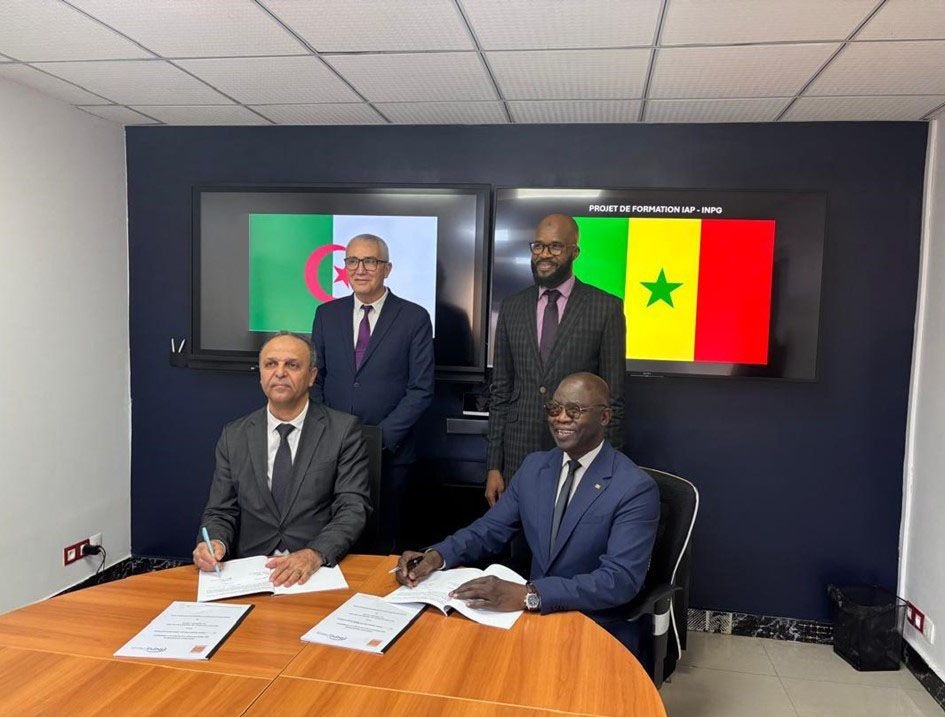
Image: Algerie Eco
Takeaway
For investors, this agreement signals Sonatrach's commitment to developing human capital and expanding its regional influence, potentially leading to new investment opportunities in the Algerian and Senegalese energy sectors. Energy executives should monitor the outcomes of this training program as a benchmark for future collaborations and potential joint ventures in Africa.
Sonatrach's Institut Algérien du Pétrole (IAP) signed a training agreement with Senegal's Institut National du Pétrole et Gaz (INPG) on Monday, February 9, 2026, in Dakar. The agreement aims to strengthen technical and managerial skills, according to a statement released on Thursday, February 12, 2026, by the Algerian institute. The accord signifies a cooperative effort to bolster expertise within the oil and gas sectors of both Algeria and Senegal.
This agreement highlights Algeria's ongoing efforts to expand its influence and cooperation in the African energy sector. Sonatrach, as Algeria's state-owned oil and gas company, has been actively pursuing partnerships and collaborations with other African nations to foster knowledge exchange and resource development. Such initiatives align with Algeria's broader strategy to position itself as a key player in the continent's energy landscape. These collaborations build upon previous efforts to enhance regional energy cooperation, solidifying Algeria's role as a strategic partner in Africa's energy future.
The Algerian Petroleum Institute (IAP) is a key training and development center within the Sonatrach Group, focusing on providing specialized education and skill enhancement programs for professionals in the oil and gas industry. The National Institute of Petroleum and Gas of Senegal (INPG) plays a similar role in Senegal, contributing to the development of local expertise in the energy sector. Training agreements like this one can help standardize practices and introduce international benchmarks for operational efficiency.
The agreement is expected to benefit both Sonatrach and the INPG by enhancing the skills of their personnel and fostering a collaborative environment for knowledge sharing. Senegalese professionals will gain access to IAP's expertise and resources, while Sonatrach can broaden its network and gain insights into Senegal's energy sector. This collaboration could potentially lead to further joint ventures and investment opportunities in the future, benefiting both countries' economies.
Looking ahead, it will be important to monitor the implementation of this training agreement and its impact on the skills and capabilities of professionals in both Algeria and Senegal. The success of this initiative could pave the way for similar collaborations between Sonatrach and other African institutions. Any potential risks could include logistical challenges in coordinating training programs and ensuring effective knowledge transfer. The specific outcomes of the training programs and their contribution to the operational efficiency of both Sonatrach and INPG will be key indicators of the agreement's overall success.