Port of Algiers Receives 568 New Buses to Bolster Public Transportation
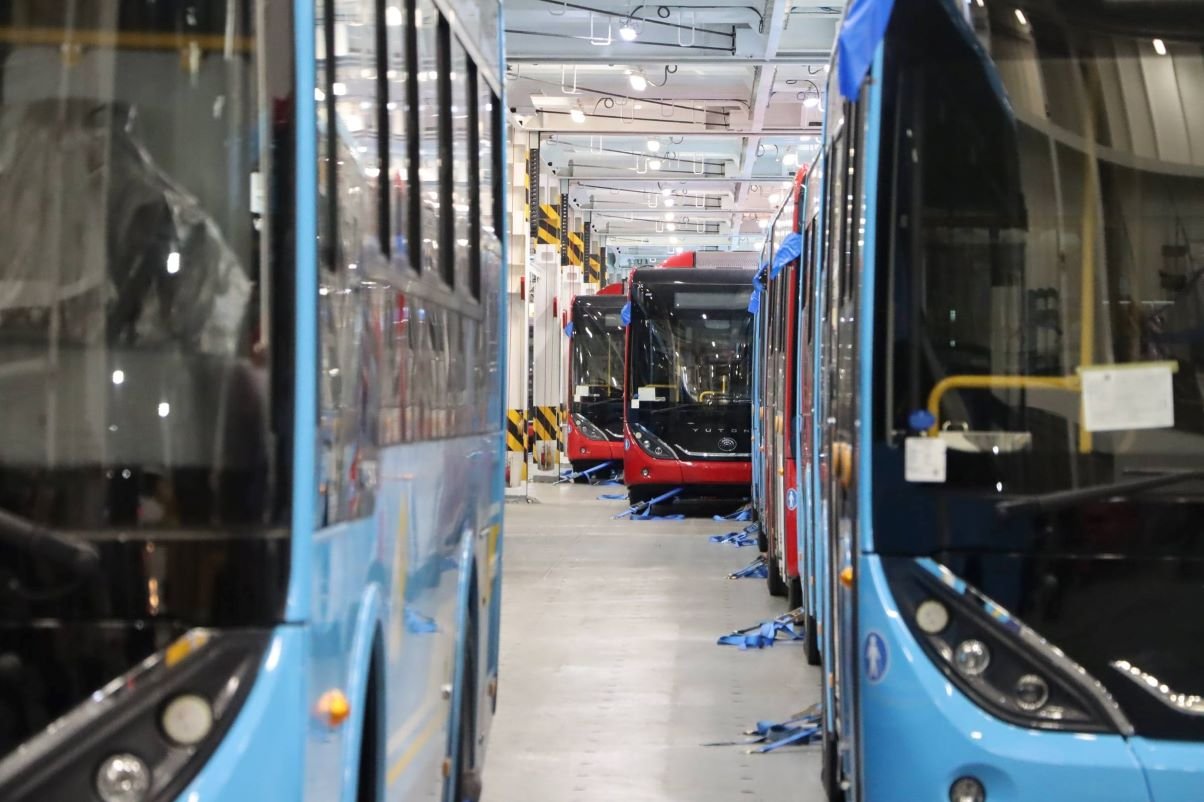
Image: Algerie Eco
Takeaway
The delivery of 568 buses to the Port of Algiers signals growing investment in Algeria's public transportation sector. International investors should monitor opportunities in vehicle maintenance, infrastructure development, and related technology solutions. The expansion of the bus fleet may also impact demand for ride-hailing services, potentially creating new market dynamics for companies like Yassir and Heetch.
The Port of Algiers received a shipment of 568 buses of various types on Saturday, March 14, 2026, as part of a national program aimed at modernizing Algeria's public transportation fleet. The buses arrived from China and were received by the Vehicle Development Industry Establishment (EDIV), which is under the Direction of Military Manufacturing of the Ministry of National Defense (MDN). This delivery is part of a larger initiative to import 10,000 buses.
The Algerian government is focused on improving and expanding public transportation options across the country. The existing infrastructure includes the Algiers Metro, tram networks in cities like Algiers, Oran, and Constantine, and an extensive bus network connecting towns and cities. The Société Nationale des Transports Ferroviaires (SNTF) manages the national rail network, primarily serving the northern coast. In 2025, Algeria continued to develop its transportation infrastructure to better connect its major urban centers, historical sites and natural wonders.
Buses are a crucial component of Algeria's public transport, reaching almost every town and village. Major cities have central bus stations (gares routières) that serve as hubs for public and private bus companies. While the Algiers Metro offers an efficient way to bypass traffic in the capital, buses provide broader connectivity throughout the country. Ride-hailing apps like Yassir and Heetch have also become popular in urban areas, offering alternatives to traditional taxis.
The arrival of these new buses will likely benefit commuters and travelers across Algeria by providing more comfortable and reliable transportation options. The modernization of the bus fleet could also create opportunities for companies involved in vehicle maintenance, spare parts supply, and related services. Improved public transport could reduce reliance on private vehicles, potentially easing traffic congestion and lowering emissions in urban areas. This initiative aligns with the government's broader efforts to enhance infrastructure and support economic development.
Looking ahead, it will be important to monitor the deployment and integration of these new buses into the existing public transportation network. Key factors to watch include the efficiency of distribution to different regions, the impact on ridership and passenger satisfaction, and the overall effect on the quality and accessibility of public transport services. Further investments in infrastructure, such as expanding metro and tram lines, will be crucial to sustain the momentum of improving Algeria's transportation system.