Oran Desalination Plant Faces Technical Issues, Disrupting Water Supply
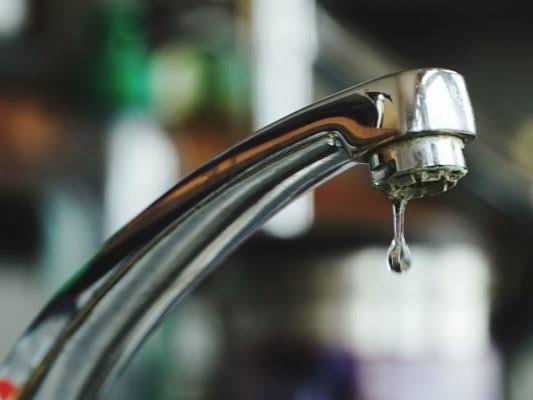
Image: El Mawkie
Takeaway
The temporary disruption at the Cap Blanc desalination plant underscores the operational risks associated with desalination infrastructure. Investors in Algerian utilities and water projects should factor in potential downtime and maintenance costs when assessing project viability. Diversified water sourcing strategies, including wastewater treatment and improved water management practices, will be crucial for mitigating risks and ensuring long-term water security.
A temporary disruption in the water distribution program in western Oran was announced by the water and sanitation company “SIOR” on Saturday, February 21, 2026, due to an unexpected technical incident at the Cap Blanc desalination plant. The disruption necessitates an adjustment to the distribution schedule to ensure service continuity and minimize network disturbances. The Cap Blanc plant, commissioned on February 20, 2025, by President Abdelmadjid Tebboune, experienced a temporary preventative shutdown due to the technical issue.
The incident at the Cap Blanc plant highlights Algeria's reliance on desalination to combat water scarcity, especially in the face of increasing demand and climate change. By late 2024, Algeria was already producing around 3.7 million cubic meters of desalinated water daily. The country aims to increase national desalinated seawater production to 5.6 million cubic meters per day by 2030. In March 2026, two additional desalination plants are slated to begin construction in Tamanrasset and Tindouf, as part of a broader plan for the southern provinces.
The Algerian Desalination Company (EADE) stated that a progressive resumption of production at the Cap Blanc plant is expected in the coming hours. Algeria has embraced reverse osmosis technology for its desalination facilities, a method that has become the global standard. Currently, the cost of producing one cubic meter of desalinated water is less than 0.5 euros. The Algerian government subsidizes the cost of drinking water, enabling citizens to pay only around 6 DA (~$0.04) per cubic meter for the first quarterly consumption bracket.
The temporary shutdown of the Cap Blanc plant impacts residents in the western Oran region, necessitating adjustments to their water usage. However, the quick response and expected resumption of production mitigate potential long-term disruptions. Algeria's commitment to expanding its desalination capacity, including the construction of three new plants in Tlemcen, Chlef, and Mostaganem, aims to enhance water security and support social and economic development. Each of the three desalination plants will have a production capacity of 300,000 cubic metres per day upon completion.
Investors should monitor the progress of repairs at the Cap Blanc plant and the construction of new desalination facilities, as these projects are crucial for Algeria's water security strategy. The next catalyst to watch is the launch of two desalination plants in Tamanrasset and Tindouf in March 2026. Any delays in these projects or further technical issues at existing plants could exacerbate water stress and impact various sectors, including agriculture and industry.