OPEC+ Agrees to Symbolic Output Increase Amidst Strait of Hormuz Disruptions
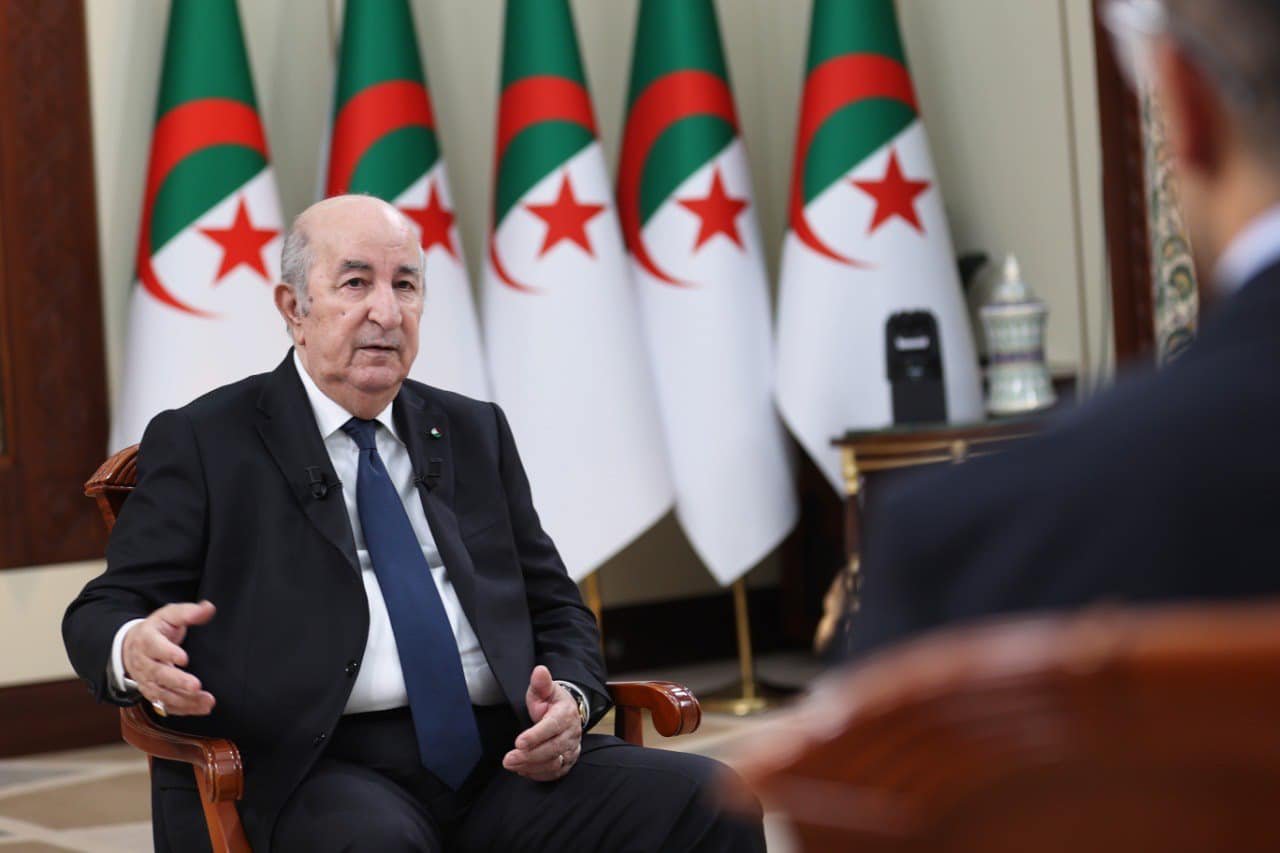
Image: Algerie Eco
Takeaway
The symbolic OPEC+ output increase amidst the Strait of Hormuz closure highlights the disconnect between policy decisions and market realities. Energy investors should focus on companies with diversified supply chains and those positioned to benefit from increased LNG spot prices in Asia, as these markets are heavily reliant on Strait of Hormuz transit. Monitor companies like Sonatrach for potential investment opportunities as Algeria seeks to attract foreign capital to boost its upstream sector.
Despite ongoing disruptions in the Strait of Hormuz due to the U.S.-Iran war, seven OPEC+ nations have agreed in principle to raise oil output targets by approximately 188,000 barrels per day in June. The decision was made ahead of a policy meeting scheduled for Sunday, May 3, 2026. The seven members involved in the decision are Saudi Arabia, Iraq, Kuwait, Algeria, Kazakhstan, Russia, and Oman. Minister of hydrocarbons, Mohamed Arkab, is expected to participate in the meeting.
The increase is largely symbolic, as the Strait of Hormuz closure, which began on February 28, 2026, continues to throttle exports from key OPEC+ members like Saudi Arabia, Iraq, and Kuwait. The United Arab Emirates (UAE) left the group on May 1, 2026. Prior to the conflict, these producers were the only countries within OPEC+ capable of increasing production. Algeria has reaffirmed its commitment to OPEC and the OPEC+ Declaration of Cooperation, which are considered fundamental for global oil market stability.
OPEC+ crude oil output averaged 35.06 million barrels per day in March, a decrease of 7.70 million barrels per day from February, with Iraq and Saudi Arabia experiencing the largest cuts due to export constraints. The disruption in the Strait of Hormuz has led to significant volatility in energy markets, with Brent crude oil prices surging. On March 8, 2026, Brent crude surpassed $100 per barrel for the first time in four years, peaking at $126 per barrel. The Strait of Hormuz is a critical chokepoint, with approximately 20 million barrels of oil per day, or 20% of global seaborne oil trade, passing through it.
The ongoing disruptions are expected to have far-reaching economic consequences, extending beyond rising oil and gasoline prices. Higher energy costs will gradually impact supply chains, affecting the production, transportation, and logistics of various goods. Jet fuel availability is tightening, and diesel prices are rising across Asia. The closure also impacts the supply of naphtha, a key feedstock for plastics, packaging, and pharmaceuticals.
Market participants should monitor the reopening of the Strait of Hormuz, as normalization of oil flows is expected to take weeks or months. The next OPEC+ meeting is scheduled for May 3, 2026. Algeria's oil production in February 2026 was 973,000 barrels per day. In March 2026, Algeria's oil production decreased to 971,000 barrels per day. Algeria's oil production is set to increase by 6,000 barrels per day in April, bringing its total output to 977,000 barrels per day.