Oil Prices Surge Above $100 as US Blockades Iranian Ports After Failed Talks
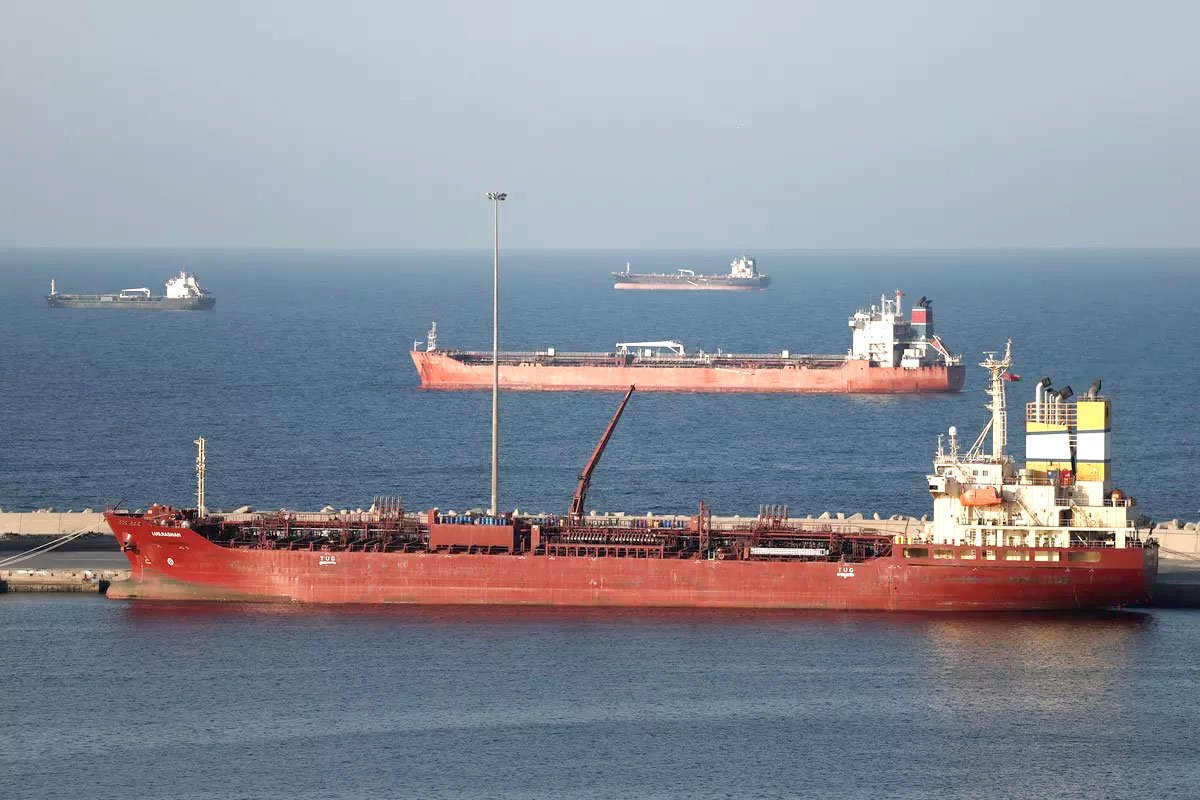
Image: Algerie Eco
Takeaway
The spike in oil prices presents both opportunities and risks for energy investors. Companies with significant oil reserves, such as Sonatrach, could see increased revenues in the short term. However, the heightened geopolitical risk and potential for further escalation necessitate a cautious approach. Traders should monitor Brent and WTI crude futures (CO1:COM, CL1:COM) for volatility and consider hedging strategies to mitigate risk.
Oil prices have surged above $100 a barrel on Monday, April 13, 2026, following the announcement of a blockade of Iranian ports by the United States. This action comes after the failure of negotiations between Washington and Tehran in Islamabad, Pakistan. The US Central Command stated the blockade commenced at 10:00 AM ET, effectively seizing control of maritime traffic in the Strait of Hormuz. Brent crude rose 7% to $102 a barrel, while West Texas Intermediate (WTI) climbed 7.8% to $104 a barrel.
The US-Iran war, which began with US-Israeli airstrikes on February 28, 2026, targeting Iranian military and government sites, has significantly disrupted global trade. The Strait of Hormuz, a vital artery for global energy supplies, has been largely restricted since then. A two-week ceasefire, brokered by Pakistan, began on April 8, but the recent breakdown in talks and the subsequent blockade threaten to escalate the conflict. The last time oil prices were this high, before the ceasefire, they spiked to nearly $120 per barrel.
The blockade specifically targets Iranian vessels and ships that have paid tolls to Iran for passage through the Strait of Hormuz. Iran's parliamentary speaker, Mohammad Bagher Ghalibaf, claimed the blockade would make Americans nostalgic for $4-$5 gas. Prior to the war, Iran's oil exports were approximately $45 billion annually, representing 13% of its GDP. Exports have averaged 1.85 million barrels a day through March, exceeding the December-February average by 100,000 barrels a day. OPEC had already lowered its forecast for world oil demand in the second quarter by 500,000 barrels a day, expecting global demand to average 105.07 million barrels a day between April and June.
The blockade is expected to tighten global oil markets, potentially impacting countries reliant on Iranian oil, particularly China, which receives roughly 4% of its oil supply from Iran. Capital Economics chief economist Neil Shearing suggests the US move is designed to pressure Tehran and convince Beijing to mediate a ceasefire. However, Shearing also warns of potential flashpoints, questioning whether the US Navy would seize allied ships that have paid tolls to Tehran or target Chinese vessels. Priyanka Sachdeva, senior market analyst at Phillip Nova, noted that every barrel of risk added to oil markets carries an inflation price tag for the global economy.
With the ceasefire set to expire on April 22, the situation remains highly volatile. The US Navy's actions in the Strait of Hormuz will be closely monitored, as any escalation could trigger a military response from Iran. Analysts warn that the narrow strait could expose US warships to Iranian sea mines, shore-based missiles, and drone attacks. The success of the blockade in pressuring Iran back to the negotiating table remains uncertain, with potential implications for global energy markets and geopolitical stability.