Oil Price Surge Amid US-Iran Tensions; Algeria Develops Economic Shock Absorber
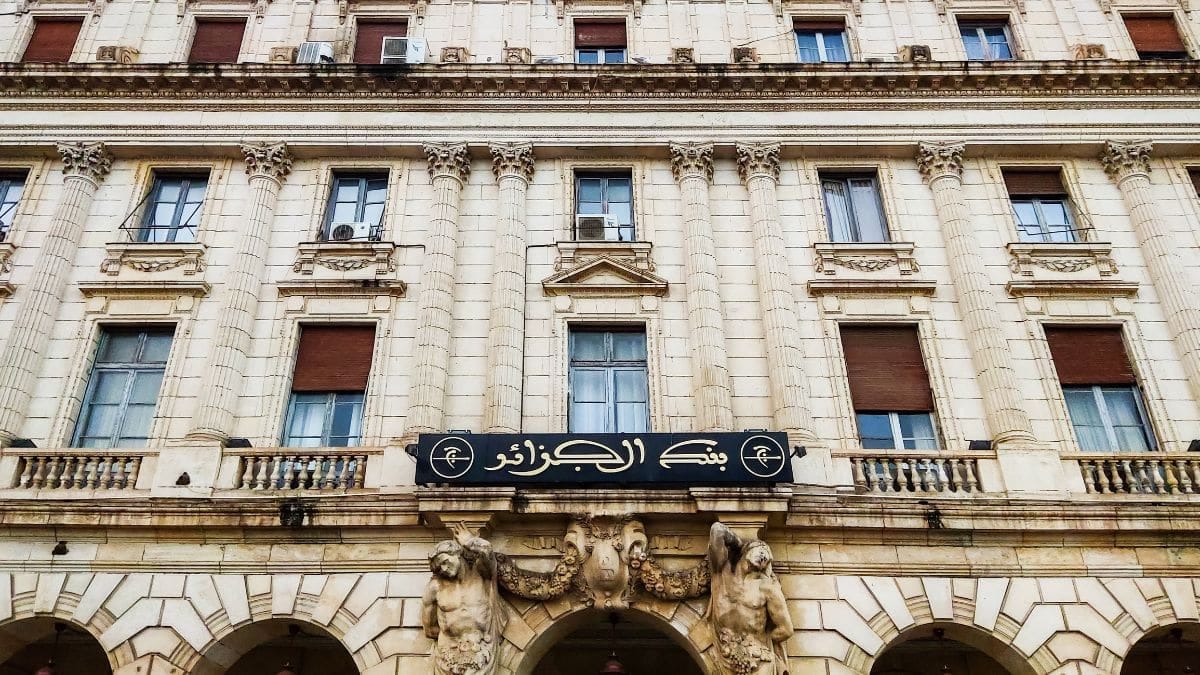
Image: TSA
Takeaway
The AMPM model signals Algeria's intent to proactively manage its exposure to oil price volatility, a key concern for investors in Algerian sovereign debt and energy projects. Fund managers should assess the model's assumptions and track its forecasts against actual economic performance to gauge the effectiveness of Algeria's risk management. Increased geopolitical tensions and rising oil prices may create opportunities for energy companies with Algerian assets, but also increase the risk of supply disruptions.
Oil prices increased on Thursday, February 19, 2026, amid concerns about escalating tensions between the United States and Iran, despite efforts to ease the confrontation through negotiations regarding Iran's nuclear program and increased military activities in the oil-producing region. Brent crude futures rose by $0.23, or 0.3%, to $70.58 per barrel, while West Texas Intermediate crude also increased. In response to such fluctuations, the Bank of Algeria has developed a new mathematical model, the Algeria Macroeconomic Projection Model (AMPM), to anticipate oil shocks.
Algeria's development of the AMPM model follows the publication of several regulations in 2025 affecting the operations of banks and financial institutions. These regulations align their operations with the new Monetary and Banking Law No. 23-09 of June 23, 2023. The AMPM is designed to provide the country with a tool to better forecast and manage the economic impact of volatile oil prices, which are crucial to Algeria's state budget and overall economic stability. These measures reflect Algeria's ongoing efforts to modernize its financial system and reduce its vulnerability to global economic shocks.
The rise in oil prices is attributed to heightened geopolitical risk concerning Iran, spurred by recent statements from the White House. Karoline Leavitt, a White House spokesperson, stated on Wednesday, February 18, 2026, that "there are many reasons and arguments in favor of a strike against Iran". These comments have contributed to market anxieties and pushed Brent crude above $70 per barrel.
The AMPM model is expected to benefit Algeria by providing policymakers with better insights into potential economic impacts, allowing for more informed decisions regarding fiscal and monetary policy. However, sustained high oil prices could negatively impact global economic growth and consumer spending in importing nations. Companies involved in oil exploration and production, such as Sonatrach, stand to gain from higher prices, while industries reliant on oil as a primary input may face increased costs.
Investors and analysts should closely monitor the ongoing negotiations between the US and Iran, as any breakthrough or escalation could significantly impact oil prices. The effectiveness of the AMPM model in predicting and mitigating economic shocks will be a key indicator of Algeria's preparedness for future market volatility. Any announcements from the Bank of Algeria regarding the model's forecasts or policy recommendations should be closely scrutinized for insights into the country's economic strategy.