Energy Minister Adjjal Discusses Sector Files with Atomic Energy Authority
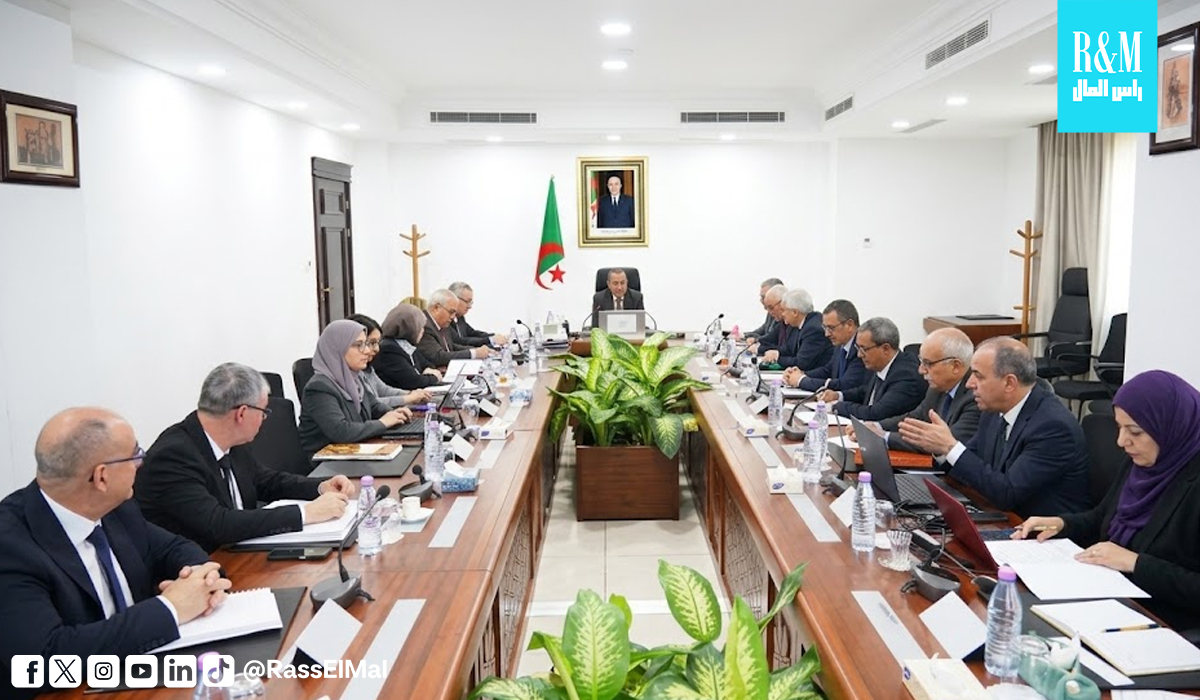
Image: Rass El Mal
Takeaway
International investors should monitor Algeria's engagement with the IAEA and its progress in developing SMR technology. A commitment to nuclear energy could diversify Algeria's energy portfolio and create opportunities for companies specializing in nuclear technology and infrastructure. However, investors should also be aware of the potential risks associated with nuclear projects, including regulatory hurdles and safety concerns.
Minister of Energy and Renewable Energies, Mourad Adjjal, chaired a meeting on Sunday, April 5, 2026, to review and assess the performance of Algeria's energy sector. The meeting included key central executives from the ministry and officials from the Atomic Energy Authority (CMENA). The discussions, held at the ministry headquarters, focused on strategic files related to the management of the energy sector.
The meeting involved a detailed examination of several files pertaining to the energy sector. Presentations were given on the topics under discussion. The specific details of these files and presentations were not disclosed. Algeria's nuclear program was formally launched in 1996 with the creation of the Atomic Energy Commission. The commission is responsible for shaping national nuclear policy, updating safety standards, and regulating the development and management of radioactive materials and nuclear facilities.
Algeria possesses two research reactors: the Nur reactor, a 1 MW light-water reactor in Draria, west of Algiers, which began operation in 1989, and the Es-Salam Reactor, a 15 MW heavy-water reactor at the Centre de Recherche Nucléaire de Birine (CRNB), which reached criticality in 1992 and began operating in late 1993. The Nur reactor was supplied by Argentina and is under IAEA safeguards. The Es-Salam reactor was built with assistance from China and is also under IAEA safeguards. Algeria has considerable uranium reserves, estimated at approximately 29,000 tonnes, enough to potentially power two 1,000 MW nuclear plants for up to 60 years.
The discussions between Minister Adjjal and the Atomic Energy Authority could signal a renewed focus on Algeria's nuclear ambitions, particularly in light of the country's interest in small modular reactors (SMRs) for electricity generation and water desalination. In December 2025, the International Atomic Energy Agency (IAEA) and Algeria agreed to strengthen their partnership in the peaceful uses of nuclear science and technology, focusing on energy security and water resource management. This agreement supports Algeria's exploration of SMRs.
Looking ahead, it will be important to monitor any further announcements or policy changes related to Algeria's nuclear energy program. The development of SMRs and the expansion of nuclear techniques for water resource management could have significant implications for Algeria's energy mix and its role in the region. Any movement towards nuclear power would require substantial investment and adherence to international safety standards.