Bejaia Port Receives 6,397 Sheep from Spain to Bolster National Meat Supply
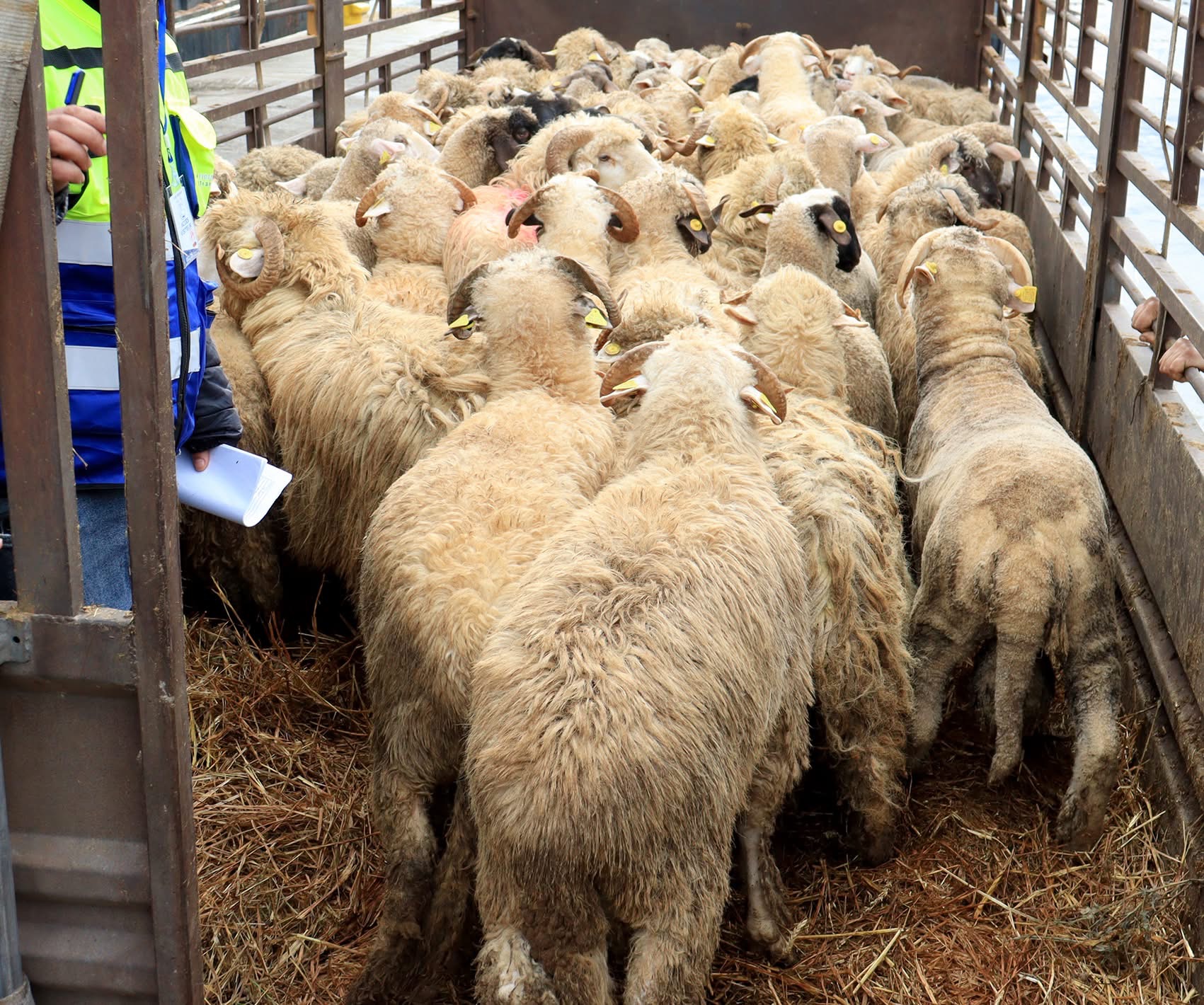
Image: El Mawkie
Takeaway
The surge in Algerian livestock imports presents opportunities for international meat exporters, particularly from Spain, Brazil and potentially Ukraine. Investors should monitor Algerian government policies related to import duties and tax exemptions, as these will directly impact the profitability of meat exports to Algeria. Companies involved in livestock transportation and processing could also benefit from increased trade flows.
A shipment of 6,397 sheep arrived at the Port of Bejaia on Monday, March 2, 2026, aboard a commercial vessel from Spain. This shipment is part of Algeria's national program to ensure an adequate supply of red meat to the domestic market and stabilize prices. The initiative aligns with the government's broader policy of guaranteeing the availability of essential food products for Algerian citizens.
This livestock import reflects Algeria's increasing reliance on foreign suppliers to meet domestic demand for red meat. In 2024, Algeria imported nearly $7.8 million worth of live sheep, exclusively from Romania. Recognizing the challenges faced by local livestock farms, particularly due to drought-related forage shortages, Algeria has been actively diversifying its sources of supply. In August 2025, Algeria authorized imports of live sheep from Brazil, following a bilateral sanitary and zoosanitary agreement. President Abdelmadjid Tebboune stated in March 2025 that Algeria authorized livestock imports from Africa as part of a strategy related to meat.
Algeria's beef imports have seen a sharp increase, rising from 10,328 tons in 2023 to 91,579 tons in 2024, and projected to reach 115,000 tons in 2025. To address this import dependence, the Ministry of Agriculture established the National Commission for the Strengthening of Red Meat Production on December 12, 2024, in Algiers. The commission is tasked with developing solutions to expand the national sheep and cattle herds and increase red meat production.
The Algerian government is implementing measures to facilitate livestock imports, including tax exemptions for live cattle imports intended for slaughter between November 15, 2025, and June 30, 2026, in preparation for Eid al-Adha. These exemptions cover customs duties, value-added tax, bank domiciliation tax, solidarity contributions, and withholding tax. Imports after this period will be subject to a reduced customs duty rate of 5% until December 31, 2026. In February 2026, the Ministry of Internal Trade and National Market Regulation announced plans to import 144,000 sheep and 46,000 cattle for Ramadan.
Looking ahead, market participants should monitor the impact of these import policies on domestic red meat production and prices. The success of the National Commission for the Strengthening of Red Meat Production will be crucial in reducing Algeria's reliance on imports in the long term. Upcoming decisions regarding the extension or modification of tax exemptions on livestock imports will also influence the market. The Algerian Red Meat Company “Alviar” and the Mediterranean Public Economic Enterprise for Refrigeration “Frigomedit” have been granted import licenses.