Algerian Government Reviews Unemployment Benefits Program Four Years After Launch
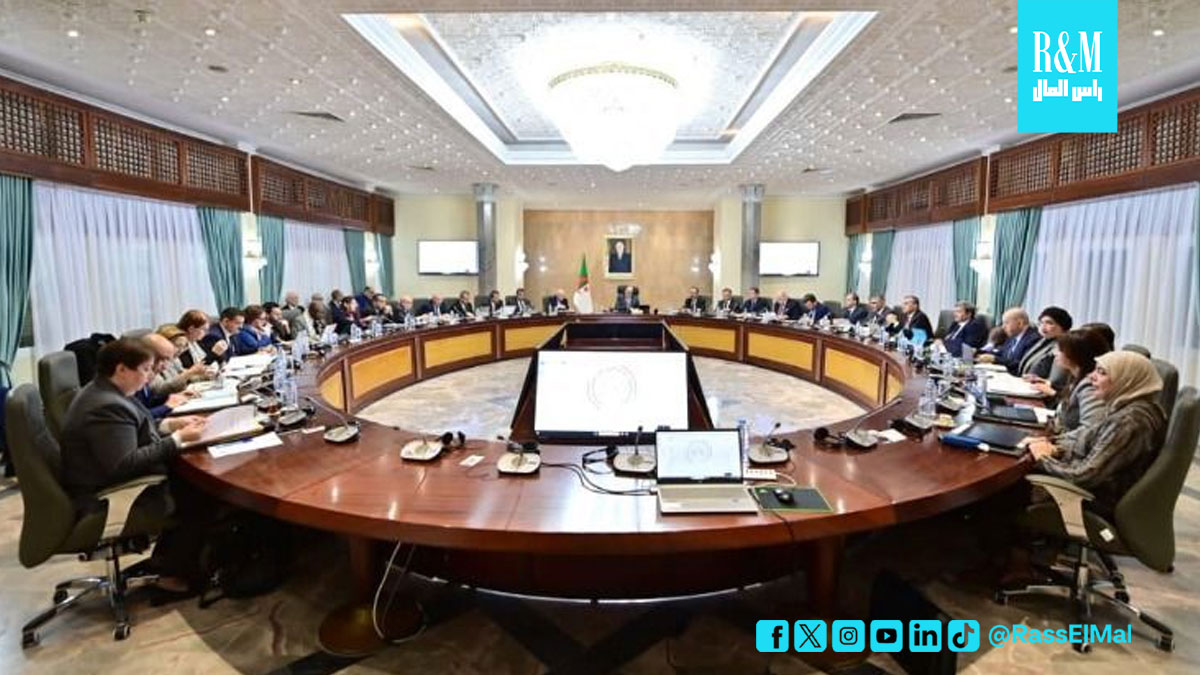
Image: Rass El Mal
Takeaway
The Algerian government's review of its unemployment benefits program signals a commitment to social stability amid economic reforms. International investors should monitor labor market data and policy changes to assess potential impacts on workforce availability and wage levels. Increased social spending may also create opportunities for companies providing related services, such as job training and digital platforms for employment services.
The Algerian government, led by Prime Minister Nadir Larbaoui, convened on Wednesday, April 1, 2026, to review the nation's unemployment benefits program, four years after its initial launch in February 2022. The meeting included a comprehensive evaluation of the program's performance and considered potential reforms across the energy, water, and environment sectors as part of broader economic and social reforms. The government also examined a draft executive decree outlining the nature, degree, and prevention of disabilities, aligning with Law No. 25-01 dated February 20, 2025, concerning the protection and promotion of individuals with special needs.
Launched in February 2022, the unemployment benefits program represents a key pillar of Algeria's employment policy. The program's evaluation, conducted four years after its implementation, highlights its significance as a tool for managing employment and its broad reach, facilitated by effective digital management. The review comes amidst ongoing economic reforms aimed at diversifying Algeria's economy and addressing social welfare needs, reflecting the government's commitment to improving the lives of its citizens.
While specific details regarding the monetary value of the unemployment benefits and the number of beneficiaries were not disclosed in the provided sources, the program's assessment indicates a comprehensive approach to social welfare. The government's focus on digital management suggests an effort to streamline the distribution of benefits and ensure efficient resource allocation. Further details regarding the program's budget, eligibility criteria, and impact on the labor market would provide a more complete picture of its effectiveness.
The review of the unemployment benefits program has implications for various stakeholders, including job seekers, employers, and government agencies. The program aims to provide financial support to unemployed individuals while they seek employment, potentially reducing social unrest and promoting economic stability. The focus on disability prevention and support further underscores the government's commitment to inclusivity and social equity. Companies operating in Algeria may benefit from a more stable and skilled workforce, as the program encourages job seekers to actively participate in the labor market.
Looking ahead, it will be important to monitor any proposed reforms to the unemployment benefits program and their potential impact on the Algerian economy. Key indicators to watch include the unemployment rate, the number of program beneficiaries, and the government's budget allocation for social welfare programs. The government's commitment to digital management suggests a focus on data-driven decision-making, which could lead to further improvements in the program's efficiency and effectiveness.