Algeria to Maintain Gas Prices Amidst QatarEnergy Production Halt
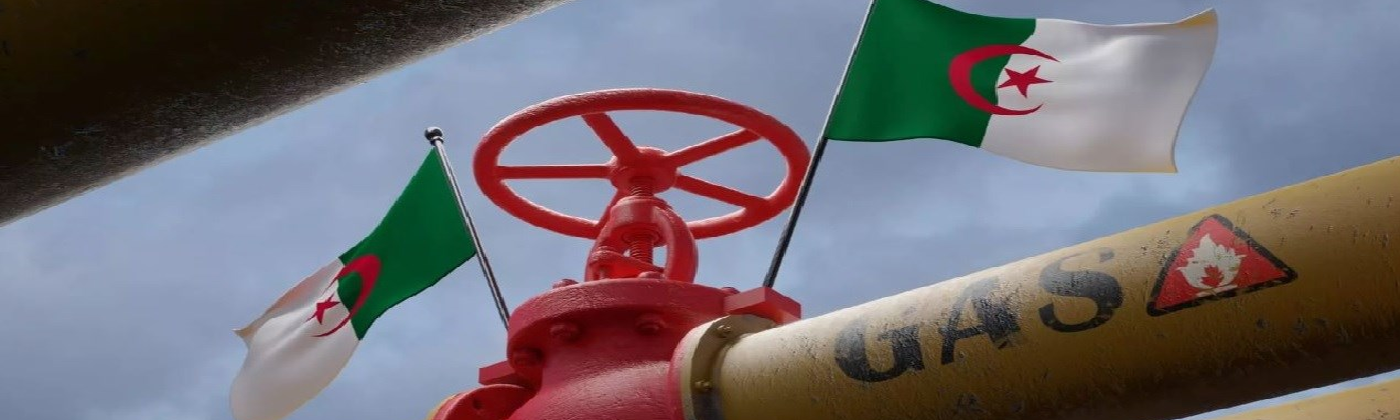
Image: Echorouk
Takeaway
The 50% increase in natural gas prices following the QatarEnergy production halt creates an opportunity for Sonatrach to renegotiate gas contracts with European partners at more favorable terms. Energy companies with exposure to Algerian gas fields, such as Eni and TotalEnergies, may see increased profitability. Investors should monitor the spot price of LNG and natural gas futures to gauge the potential upside for Algerian gas exports.
Algeria plans to maintain current international market prices for additional gas supplies to its European partners, according to energy expert Baghdad Mendouche. This stance comes amid potential repercussions in the energy sector due to ongoing conflicts in the Middle East. Mendouche stated that European partners seeking increased Algerian gas volumes via pipeline will need to negotiate with Sonatrach at prevailing international market rates, rather than relying on older, long-term contract prices.
Algeria's commitment to market-based pricing coincides with a disruption in global LNG supply, as QatarEnergy halted LNG production on March 2, 2026, following attacks on its facilities in Ras Laffan Industrial City and Mesaieed Industrial City. The halt includes downstream products like urea, polymers, methanol and aluminum. This disruption could further tighten global gas markets, potentially benefiting Algeria as a reliable supplier.
Sonatrach has been actively expanding its gas production and export capabilities. In October 2025, Sonatrach signed a $5.4 billion agreement with Midad Energy North Africa to develop gas fields in the Illizi South area, located approximately 100 kilometers south of In Amenas. The 30-year contract, with a possible 10-year extension, includes a seven-year exploration phase. The Illizi South perimeter is expected to yield 993 million barrels of oil equivalent, including 125 billion cubic meters of gas and 204 million barrels of liquid hydrocarbons.
The disruption in Qatari LNG production could lead to increased demand for Algerian gas, particularly in Europe. However, Algeria intends to capitalize on this situation by offering additional gas supplies at current market prices, potentially increasing revenue for Sonatrach. European utilities and LNG traders should closely monitor Algeria's export volumes and pipeline capacity, including the Transmed pipeline to Italy, which aims to reach its full potential of 30.2 billion cubic meters per year.
Looking ahead, Algeria plans to begin construction of the trans-Saharan gas pipeline in 2026, with a projected capacity of 30 billion cubic meters per year. New compressor stations in Hassi R'Mel are expected to come online starting in late 2026, increasing pipeline pressure and export capacity. These developments, combined with the evolving situation in the Middle East, position Algeria as a key player in the global gas market. Investors should monitor Sonatrach's negotiations with European partners and the progress of infrastructure projects to assess the long-term impact on Algerian gas exports.