Algeria's Retail Sector Transformed by Modern Malls Amidst Economic Shifts
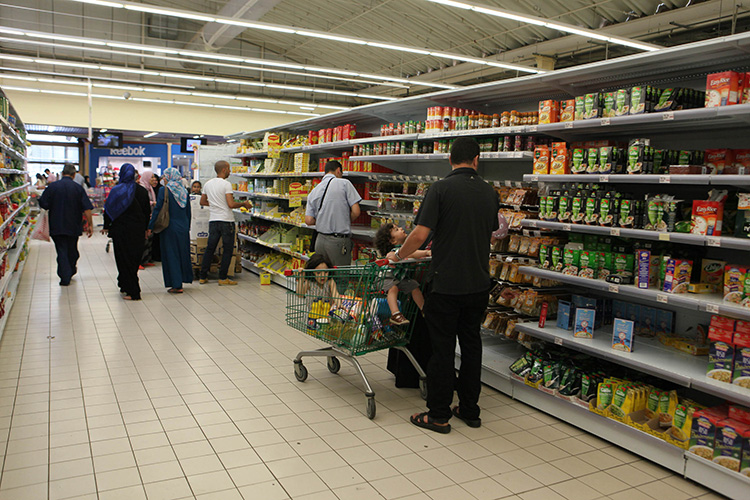
Image: Echorouk
Takeaway
International investors and retail executives should closely monitor Algeria's evolving retail landscape. The shift towards modern retail formats presents opportunities for investment in shopping malls and e-commerce platforms. However, navigating the complex regulatory environment and understanding local consumer preferences are crucial for success. Companies like Carrefour have already established a presence, demonstrating the potential for international retailers in the Algerian market.
Algeria's retail landscape is undergoing a transformation, driven by the rise of modern shopping malls that are reshaping consumer behavior and market dynamics. These malls offer a blend of shopping, leisure, and social interaction, particularly appealing to the country's large youth population, where three-quarters are under 35. The emergence of these retail spaces coincides with Algeria's efforts to diversify its economy and attract foreign investment, although the sector still faces regulatory hurdles and economic volatility.
Historically, Algeria's retail sector was dominated by traditional souks and small, independent stores, especially in rural areas. However, increasing urbanization and a rising middle class are driving demand for modern retail formats such as supermarkets and shopping malls. The Algerian government is actively involved in regulating the retail market, aiming to promote domestic production and protect local businesses. Despite these efforts, private businesses control 95% of the retail trade, with European investments playing a significant role.
The retail sector has seen significant development over the past decade, with the addition of the 25,000 sqm Lifestyle Mall in Cheraga in 2021, housing brands like Zara and Mango. Carrefour, the French chain, expanded its retail space to 10,500 sqm across two locations in 2020. E-commerce is also gaining traction, particularly among younger Algerians, further modernizing the retail landscape. However, modern retail accounts for only 3% of annual turnover, with the sector remaining fragmented and dominated by small, privately owned stores.
The rise of malls impacts both consumers and businesses. Consumers benefit from increased choice, convenience, and access to international brands. Businesses, particularly those in the construction and retail sectors, can capitalize on investment opportunities in shopping malls and modern retail outlets. However, traditional retailers may face increased competition, and the complex regulatory environment can pose challenges for foreign companies.
Looking ahead, the Algerian retail market is poised for further development, driven by evolving consumer preferences and government initiatives to diversify the economy. Investors should monitor key economic indicators such as inflation rates and regulatory changes, as well as infrastructure improvements, which could impact the market's expansion. Despite challenges like economic instability and fluctuating oil prices, the long-term outlook for Algeria's retail sector remains positive, with opportunities for growth in both traditional and modern formats.