Algeria's OAIC Purchases 150,000-200,000 Tonnes of Soft Wheat in Latest Tender
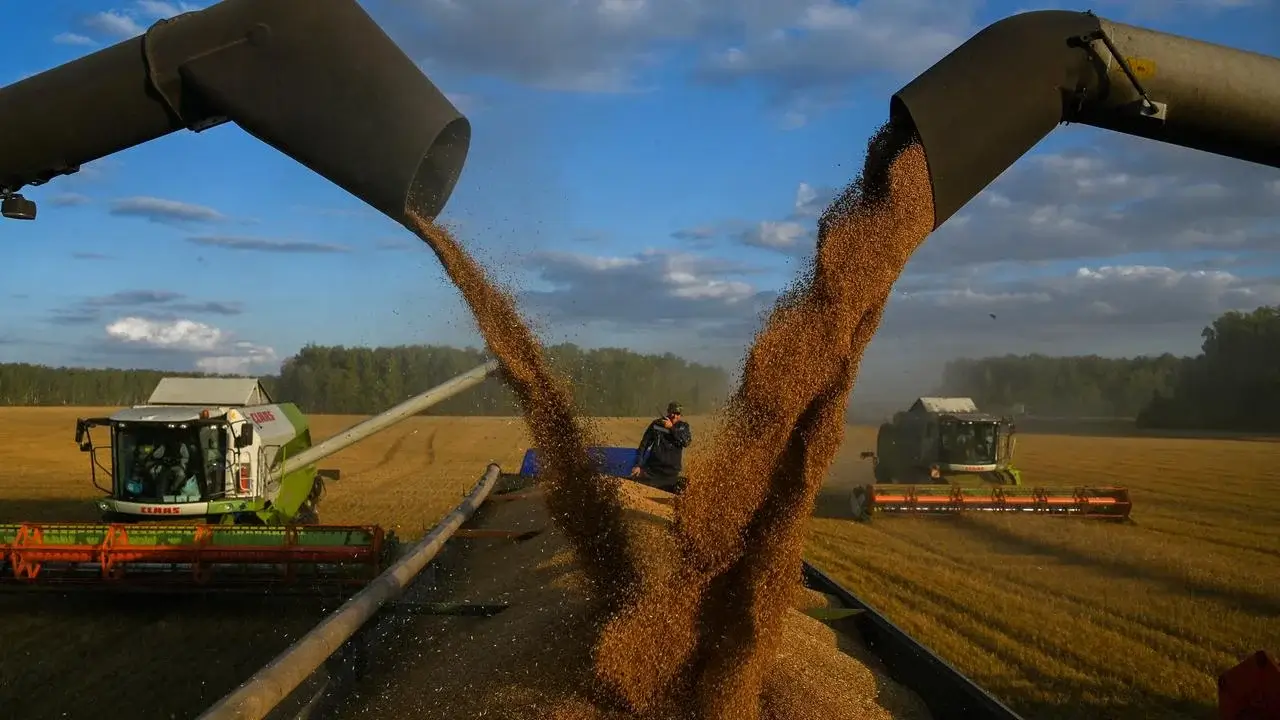
Image: Algerie Eco
Takeaway
The Algerian government's consistent wheat purchases provide a stable, if predictable, revenue stream for international grain traders. Companies like Cargill and Louis Dreyfus Company should monitor OAIC tender announcements closely. Investors should also track global wheat futures on exchanges like the Chicago Board of Trade (CBOT) to anticipate potential price swings and their impact on Algerian import costs.
Algeria's Office Algérien Interprofessionnel des Céréales (OAIC) concluded its third soft wheat import operation of the year on Tuesday, March 10, 2026, securing between 150,000 and 200,000 tonnes. The purchase followed an international tender that was announced on Sunday. This acquisition aims to replenish Algeria's wheat reserves and maintain a steady supply of this essential commodity.
Algeria relies heavily on wheat imports to meet domestic demand, and these repeated purchases underscore the country's commitment to food security. In 2025, Algeria imported approximately 6.7 million tonnes of wheat, making it one of the largest importers in Africa. The government has been actively working to diversify its supply sources and reduce its dependence on any single country, aiming to stabilize prices and ensure a consistent flow of wheat into the market. These efforts are part of a broader strategy to mitigate the impact of global price fluctuations and geopolitical risks on the Algerian economy.
The global wheat market is influenced by factors such as weather patterns, geopolitical tensions, and trade policies. The price of soft wheat on international markets has seen considerable volatility in recent years, impacting import costs for countries like Algeria. Major wheat exporters include Russia, the European Union, and Canada. Algeria's tender process typically attracts bids from various international suppliers, allowing the OAIC to secure competitive prices and favorable terms. The quality specifications for imported wheat are stringent, ensuring that it meets the required standards for milling and baking.
The beneficiaries of this wheat purchase include Algerian consumers, who rely on affordable bread and other wheat-based products. Local milling companies will also benefit from a consistent supply of raw materials. International wheat exporters and trading firms that participated in the tender process will see increased sales volumes. However, fluctuations in global wheat prices could impact the profitability of these transactions. The Algerian government closely monitors the market to protect consumers from excessive price increases.
Looking ahead, market participants will be closely watching the OAIC's future tender announcements and the evolution of global wheat prices. Any disruptions to supply chains or unexpected weather events in major wheat-producing regions could trigger further price volatility. The next key date to watch is the delivery schedule for this latest purchase, which will influence domestic wheat availability in the coming months. The government's ongoing efforts to boost domestic wheat production will also be a crucial factor in reducing import dependence in the long term.