Algeria's Non-Hydrocarbon Exports Surge 16% in Q1 2026, Trade Fair Set for Tindouf
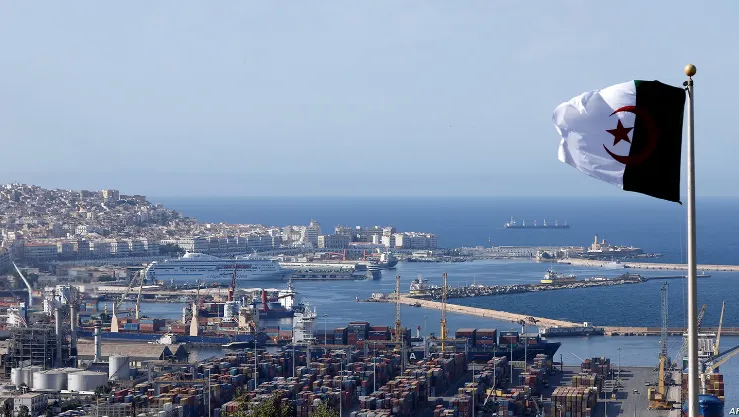
Image: AL24 News
Takeaway
The 16% rise in Algeria's non-hydrocarbon exports signals a diversification trend that international investors should monitor. Companies in sectors like fertilizers, steel, and cement stand to benefit, and the Tindouf trade fair highlights opportunities in West African markets. Investors should assess the impact of AfCFTA on Algerian trade and factor in the country's progress towards its $10-15 billion non-hydrocarbon export target by year-end.
Algeria's non-hydrocarbon exports experienced a 16% increase in the first quarter of 2026, compared to the same period in 2025. This growth reflects the country's ongoing strategy to diversify its national economy and reduce its dependence on hydrocarbons. Abdelatif El Houari, a central director at the Algerian Ministry of Foreign Trade and Export Promotion, announced the increase via Algerian radio.
This push for diversification is not new. As of 2023, non-hydrocarbon exports had tripled since 2017, reaching $5.1 billion, though this represented only 2% of Algeria's GDP. In the first seven months of 2025, non-hydrocarbon exports jumped 23%. The government has set an ambitious target of $10 to $15 billion in non-hydrocarbon exports by 2026. While hydrocarbons still represent 84% of exports, 48% of public revenue, and 13% of GDP, Algeria aims to become the continent's leading economy by 2030.
Ministry of Foreign Trade and Export Promotion is organizing a trade fair for Algerian products and services intended for export, in coordination with the state of Tindouf. The fair, themed “Tindouf, the gateway to export to West African countries,” will take place from April 24 to 27, 2026. The fair aims to support exports and strengthen the presence of Algerian products and services in African markets, particularly in West Africa. Key non-hydrocarbon exports include fertilizers, steel products, cement, chemicals, and pharmaceuticals, which are now exported to over 120 countries.
The increase in non-hydrocarbon exports benefits various sectors, including manufacturing, agriculture, and services. Companies involved in the production and export of fertilizers, steel, cement, and food products are likely to see increased demand and revenue. The focus on West Africa opens new markets for Algerian businesses, potentially impacting trade flows and supply chains in the region. The Algerian Port Community System (APCS) and a new Investment Law are examples of strategic reforms that enhance trade efficiency and attract foreign investment with World Bank support.
Looking ahead, monitoring the annual figures for non-hydrocarbon exports will be crucial to assess whether Algeria achieves its ambitious targets. Keep an eye on the implementation and impact of the trade agreement on the African Continental Free Trade Area (AfCFTA), which Algeria ratified in 2019. This agreement aims to eliminate tariff barriers and promote inter-African trade, potentially boosting Algeria's non-hydrocarbon exports further. The average price expected in 2026 is around USD 60, while the budget equilibrium price is estimated at around USD 142 per barrel.