Algeria's New Agricultural Law Aims for Food Sovereignty by 2030
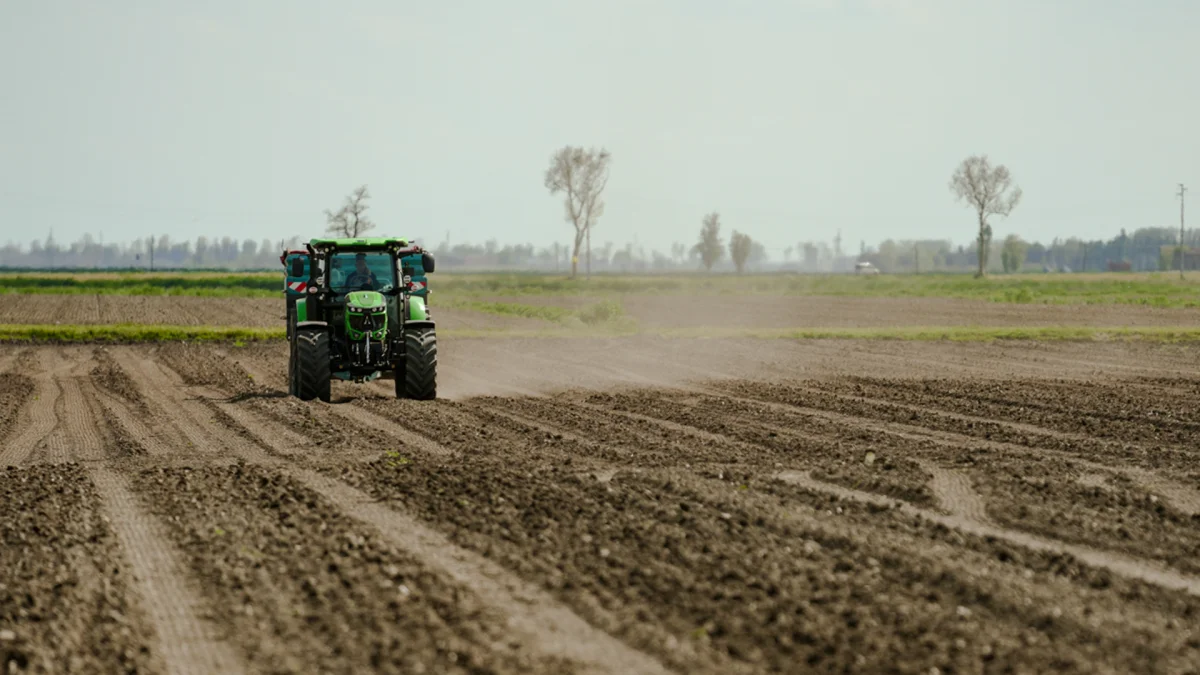
Image: Algerie Eco
Takeaway
International investors should monitor Algeria's agricultural policy changes for opportunities in farm modernization, irrigation technologies, and food processing. The potential for tax exemptions and government aid could make Algeria an attractive destination for agricultural investment, particularly for companies specializing in arid-climate farming solutions. However, investors should also assess the risks associated with land ownership issues and bureaucratic processes.
Algeria is undertaking a significant overhaul of its agricultural sector with a new law focused on achieving food sovereignty. On Tuesday, March 11, 2026, Minister of Agriculture, Rural Development, and Fisheries, Yacine El-Mahdi Oualid, presented the draft law on agricultural orientation and food sovereignty in Algiers. The law aims to reorganize the agricultural sector and bolster its capacity to achieve food security. The initiative aligns with President Abdelmadjid Tebboune's directives to establish a comprehensive legal framework for developing the sector.
Food security has been a major concern for Algeria since its independence in 1962. Various agricultural policies have been implemented over the years to enhance agricultural development and reduce dependence on food imports. In 2002, the government launched the National Agricultural and Rural Development Programme (PNDAR), allocating DZD 3,000 billion (~$30 billion) between 2000 and 2018. Despite these efforts, Algeria still relies heavily on imports to meet its internal food demand, with some estimates suggesting up to 70% of food needs are met through imports.
The new agricultural law envisions a strategic restructuring of the national agricultural sector with a forward-looking vision extending to 2030. Previous policies, such as the “Autogestion” policy (1962-1970) and the “Agrarian Revolution” policy (1971-1979), failed to significantly enhance agricultural production and food security. These earlier policies were often characterized by centralized approaches and inefficient regulations. The focus is now on modernizing farms, expanding irrigation, and increasing arable land.
The law is expected to benefit both local and foreign investors through government aid, encouraging investment in farm productivity, mechanization, and irrigation. Tax exemptions for a three- to five-year period on VAT, customs, and corporate taxes may be offered to promote foreign investment. However, challenges remain, including land ownership constraints, insufficient access to inputs, reduced water availability, and bureaucratic hurdles.
Looking ahead, the implementation of this law will be crucial in determining Algeria's progress towards food sovereignty. Key indicators to watch include increases in local production of essential food items like wheat and milk, as well as the effectiveness of measures to improve land management and water resource utilization. The success of this initiative will depend on addressing the existing weaknesses in policy implementation and fostering a more efficient and sustainable agricultural sector.