Algeria's Milk Import Shift: Uruguay Leads as Local Production Aims for Self-Sufficiency
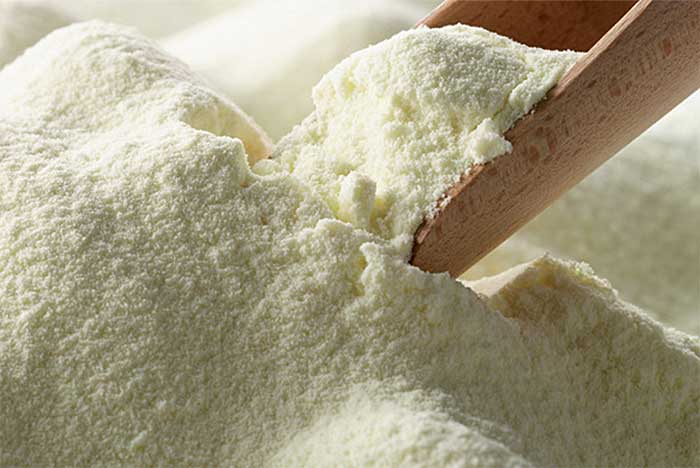
Image: Algerie Eco
Takeaway
International dairy exporters, particularly those in Uruguay, should closely monitor Algeria's domestic dairy production initiatives. The $3.5 billion Baladna project, slated to begin production in late 2027, could significantly reduce Algeria's reliance on imported milk powder, potentially displacing $400 million in global exports. Dairy companies should explore opportunities for technology transfer and partnerships to capitalize on Algeria's growing dairy sector.
In 2025, Algeria emerged as the top importer of milk powder from Uruguay, reaching $343 million, a 55% increase compared to the previous year, according to DatamarNews. Algerian imports from Uruguay totaled 658 million liters in volume, marking a 32% rise. Simultaneously, the General Union of Algerian Traders and Craftsmen (UGCAA) has stated that Algeria is undergoing a structural shift in its dairy market, moving from heavy reliance on milk powder imports towards boosting local fresh milk and dairy production.
This transition aligns with Algeria's broader economic strategy to reduce its import bill and achieve greater self-sufficiency in essential food products. The National Dairy Program, launched with the goal of self-sufficiency in milk production by 2025, has spurred partnerships with international dairy companies to facilitate knowledge transfer and technological advancements. Despite these efforts, Algeria still imported an average of 431,270 metric tons of dairy products annually between 2020 and 2024, costing an average of $1.61 billion per year, with peak imports of 452,812 metric tons in 2022 reaching $2 billion.
Algeria's dairy sector is characterized by approximately 1.8 million dairy cattle and an annual milk production of about 3.5 billion liters. The country processes around 2.1 billion liters of milk annually, producing 55,000 tons of cheese and 30,000 tons of milk powder and whey. However, local production only covers about 56% of the country's milk consumption needs. The cost of milk production in Algeria remains high at 80.8 €/100 kg compared to more competitive farms in Europe (43-50 €/100 kg) or Argentina (24 €/100 kg).
The shift towards local production is expected to benefit Algerian dairy farmers and related industries, while potentially impacting global exporters who have traditionally relied on the Algerian market. A $3.5 billion project in partnership with Qatar's Baladna aims to produce 200,000 metric tons of powdered milk annually, potentially displacing $400 million in global exports. GEA, a German engineering firm, has been contracted to build a mega dairy project in Adrar province, scheduled to commence production in late 2027.
Looking ahead, the progress of the Baladna project and other initiatives to boost local milk production will be crucial in determining the extent to which Algeria can reduce its reliance on imports. The Algerian government inaugurated a new dairy plant in the Rouiba industrial zone on February 19, 2026, with a production capacity of 1,200 metric tons of milk per day. Continued investment in modernizing local dairy farms and improving feed efficiency will be essential for Algeria to achieve its self-sufficiency goals and mitigate the risk of supply shortages and market instability.