Algeria's Council of Ministers Approves Military Justice Law, Reviews Railway Project
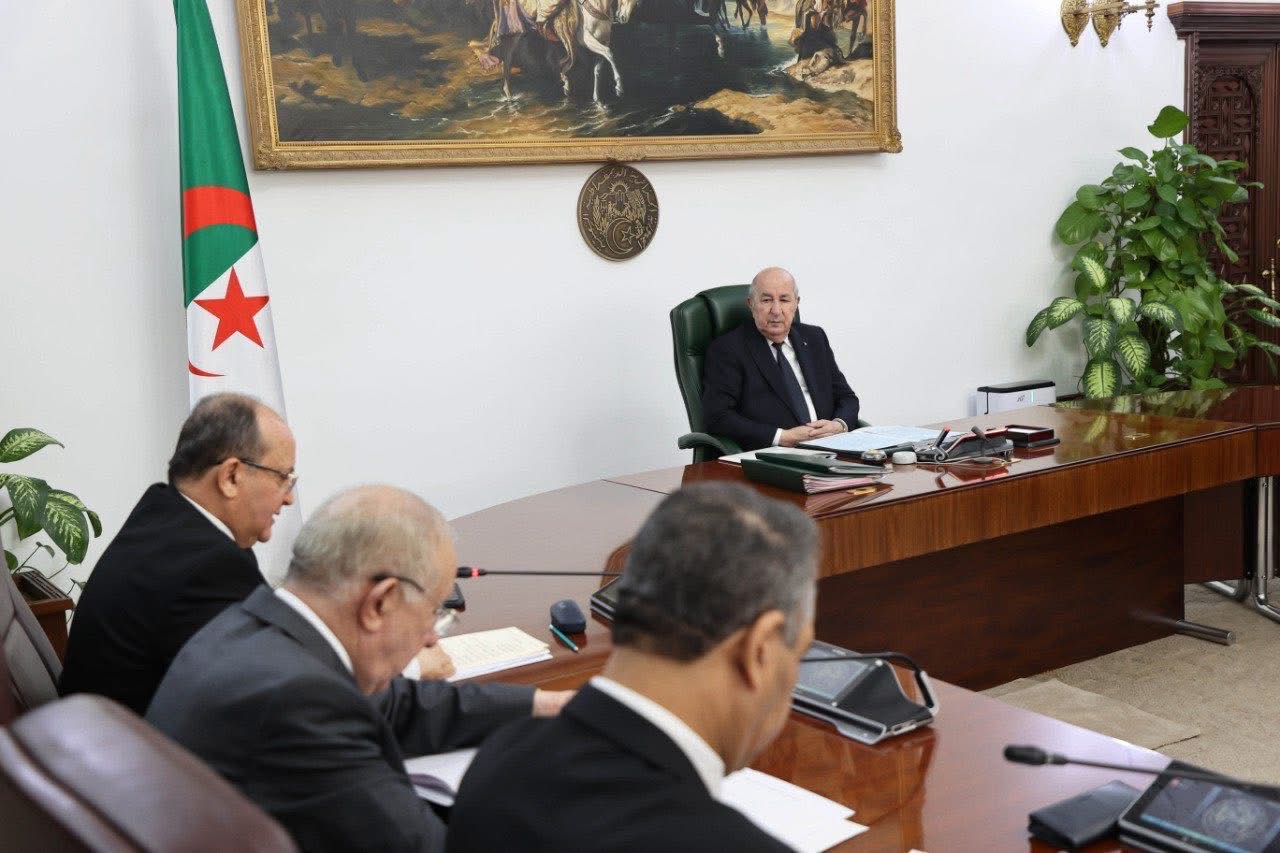
Image: El Mawkie
Takeaway
The focus on infrastructure and legal reforms signals Algeria's intent to create a more predictable and efficient business environment. Investors in mining, agriculture, and construction should assess the specific opportunities arising from these initiatives, particularly those related to the railway project and agricultural mechanization programs. Monitor the tender processes for related contracts and the evolving regulatory landscape for military-related projects.
President Abdelmadjid Tebboune chaired a Council of Ministers meeting on February 23, 2026, focusing on key projects and legislative updates. Discussions included a draft law on military justice, advancements in the mining railway project connecting Bled El Hadba, Oued El Keberit, and Annaba port, agricultural mechanization, and the professional entry for the February 2026 session. The council also reviewed initial observations regarding the early days of Ramadan.
This meeting underscores Algeria's commitment to modernizing its legal framework and infrastructure to support economic diversification. The railway project is particularly crucial, as it aims to improve the transportation of minerals from inland mines to the port of Annaba, facilitating exports. These efforts align with Algeria's broader strategy to enhance its industrial capabilities and reduce reliance on hydrocarbon revenues, a policy that has gained momentum since 2020 with increased state investment in strategic sectors.
The railway project, a key component of Algeria's mining strategy, involves the construction of a line connecting iron ore mines with processing facilities and export terminals. Efficient transportation is vital for Algeria to capitalize on its mineral resources, particularly iron ore from Gara Djebilet. Agricultural mechanization is also a priority, aimed at boosting domestic food production and reducing imports. The professional entry program for February 2026 is designed to equip the workforce with the skills needed for these developing sectors.
The military justice law could impact defense contractors and international firms involved in security-related projects in Algeria, potentially streamlining legal processes related to military affairs. The railway project will benefit construction companies, equipment suppliers, and logistics providers, while increased agricultural mechanization may create opportunities for manufacturers of agricultural machinery and technology. Successful implementation of these initiatives could enhance Algeria's attractiveness as an investment destination.
Looking ahead, progress on the railway project will be closely monitored, with key milestones including land acquisition, environmental approvals, and the awarding of construction contracts. The implementation of the military justice law will also be watched for its impact on legal proceedings and the business environment. Investors should pay attention to the government's budget allocations for these projects and any potential delays or challenges that could affect their timelines.