Algeria Ramps Up Solar Energy Projects, Eyes Regional Leadership
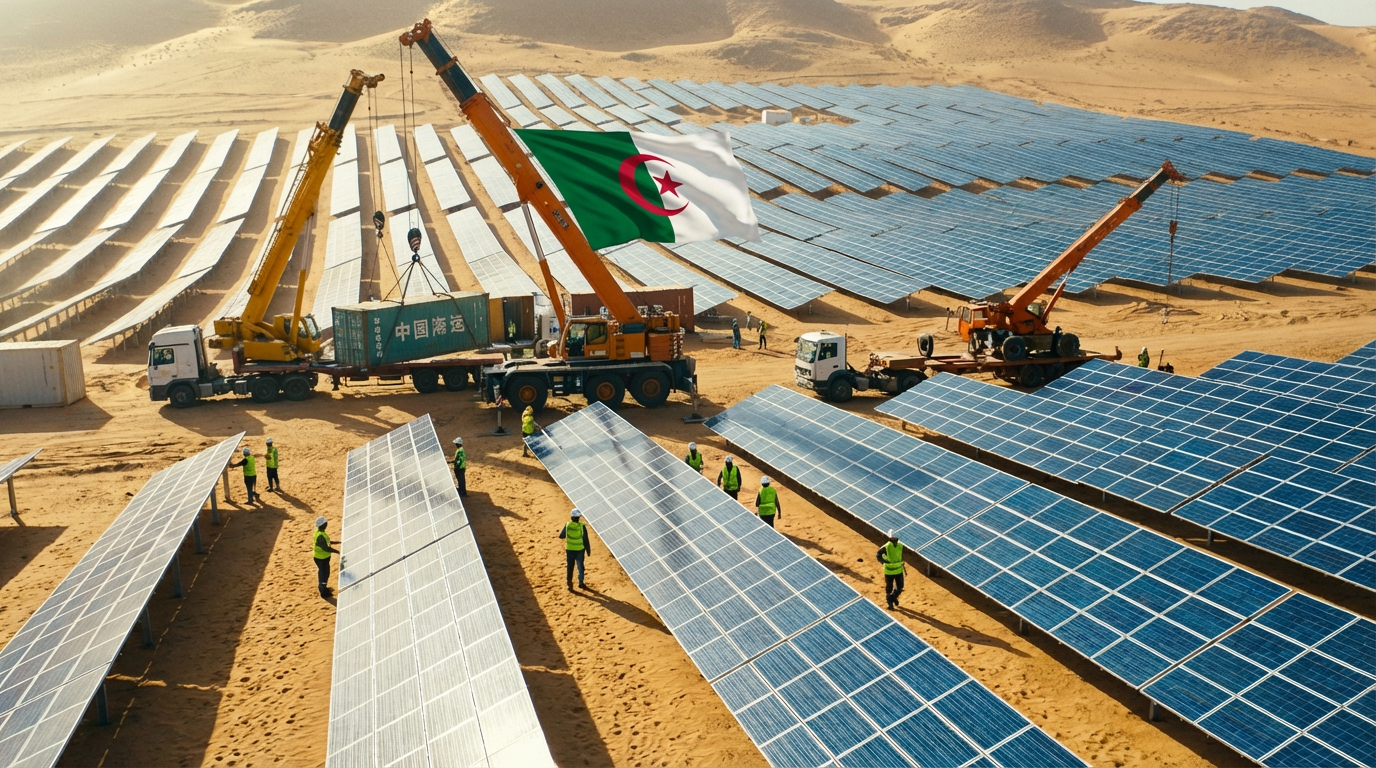
Image: Echorouk
Takeaway
The surge in Algerian solar projects presents opportunities for international solar panel manufacturers, EPC contractors, and energy storage solution providers. Investors should assess partnerships with local Algerian firms to navigate regulatory hurdles and benefit from local content requirements. Monitor Sonelgaz's tenders and strategic partnerships with Chinese firms like CGC.
Algeria has significantly increased its focus on renewable energy, particularly solar power, as evidenced by a surge in solar panel imports from China and the advancement of key solar plant projects. In 2025, Algeria became a major importer of Chinese solar panels, with imports jumping from 0.35 gigawatts in 2024 to 2.10 gigawatts, marking the highest growth rate among Arab countries. This surge indicates an accelerated implementation of solar energy projects aimed at diversifying energy sources and reducing reliance on gas.
Algeria aims to install 15,000 MW of renewable energy capacity by 2030, with a shorter-term goal of 3,200 MW in the first phase, as part of its "Project of the Century". By August 2026, the country plans to commission 1.48 GW of solar power. This initiative aligns with the government's broader strategy to integrate renewable energy into major national investments, especially in regions with high solar potential. The government aims for renewables to contribute 27-30% of electricity generation by 2035, with aspirations for 100% green energy production by 2050.
A key project is the construction of a 200-megawatt solar power plant in the Gara Djebilet area of Tindouf province. Tindouf Governor Dahou Mustapha inspected the site, noting its rapid progress. Construction began in March 2025, with completion targeted within 24 months. The project, valued at over 19 billion Algerian dinars (~$147 million), is being built by China Geo-Engineering Corporation (CGC) on a 400-acre site.
The Tindouf solar plant will primarily supply electricity to the Gara Djebilet iron ore mine and its processing facilities. It will also connect to Tindouf via a high-voltage grid to improve power balance across the province. The first phase will connect through two 30-kilovolt lines tied to an existing station, with future stages adding 120 to 130 kilovolt lines. The solar project incorporates Algeria's first battery energy storage system (BESS). In addition to the Tindouf plant, Algeria plans a second gas turbine power plant and another solar facility with a combined capacity of 360 megawatts to ensure stable energy coverage for provincial and economic needs.
Investors should monitor the progress of the Gara Djebilet solar plant, expected to come online before the end of 2026. Also, keep an eye on the nine solar plants with a combined capacity of 1,480 MW that are expected to come online in Algeria in 2026. The procurement processes, project locations, and the role of international partnerships will be critical factors in the successful and timely execution of this large-scale solar roll-out.