Algeria Mandates Importers to Submit 2026 First-Half Provisional Programs by February 26
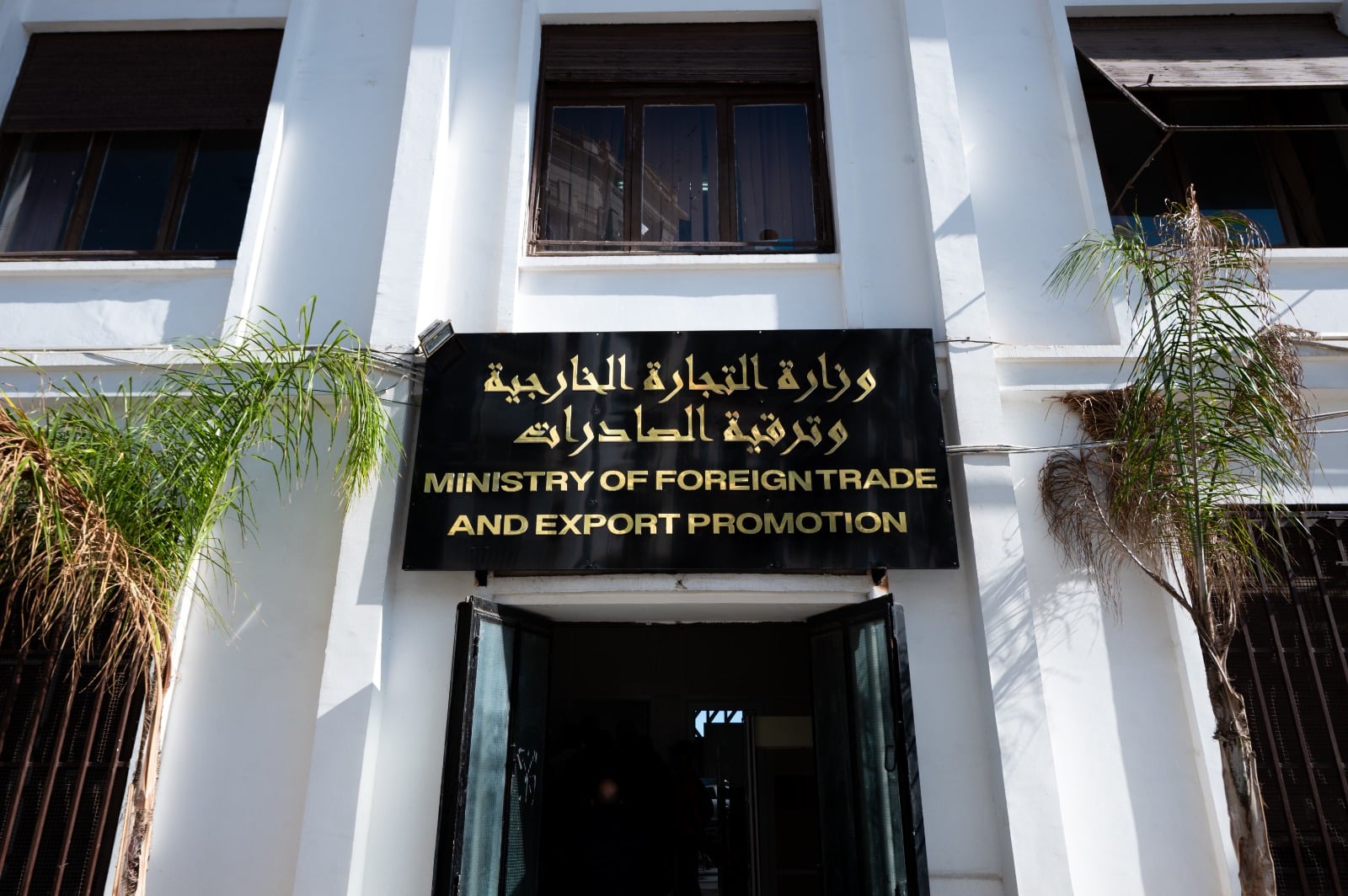
Image: Rass El Mal
Takeaway
The Algerian government's intensified scrutiny of imports, requiring detailed provisional programs, will likely increase compliance costs for importers. International suppliers should closely monitor their Algerian partners' adherence to these regulations to avoid disruptions. Companies specializing in trade compliance software and consulting services could see increased demand.
The Algerian Ministry of Trade and Export Promotion has announced that all economic operators involved in importing equipment and raw materials for production purposes must submit their provisional programs for the first half of 2026 by February 26. This announcement, made on February 17, 2026, emphasizes that these programs must be submitted exclusively through the designated digital platform. The ministry stressed the importance of adhering to the specified deadlines to avoid any delays in file processing.
In July 2025, the Algerian Ministry of Foreign Trade and Export Promotion initially introduced the mandatory regulation for businesses to submit a program of expected import of goods for the last six months of 2025. This initiative aimed to enhance transparency, improve the efficiency of import management, and strengthen coordination between ministries and branches. As part of the requirements, enterprises had to declare insurance coverage for their employees and submit a technical sheet on theoretical and actual production capacity, certified by an auditor. The ministry also requested a list of documents, including the fiscal year 2024 tax settlement report, customs declarations (Form D10) related to imports during 2024 and the first half of 2025, and monthly revenue declarations for the first half of 2025.
The Higher Council for Import Regulation convened in January 2026 to review measures aimed at improving the import control system. The council focused on ensuring that the expectations of economic operators are better considered to meet the real needs of the national economy. Emphasis was placed on simplifying and digitizing import procedures, as well as on joint sectoral coordination to ensure better management and monitoring of import operations. The main objective of this system is to strengthen domestic production and develop investment.
The requirement for importers to submit provisional programs could lead to more predictable import flows, potentially benefiting logistics companies and port operators by allowing them to better anticipate cargo volumes. However, companies that fail to meet the February 26 deadline risk delays in obtaining necessary import approvals, which could disrupt their production schedules and supply chains. Foreign suppliers may also face increased scrutiny and potential delays in receiving payments if their Algerian partners encounter import-related hurdles.
Looking ahead, the Algerian government is expected to continue refining its import regulations as part of its broader strategy to promote domestic production and reduce reliance on imports. The effectiveness of the digital platform for submitting provisional programs will be closely monitored, and any technical glitches or bureaucratic bottlenecks could prompt further adjustments to the system. The government's commitment to simplifying procedures and enhancing transparency will be crucial in fostering a more predictable and business-friendly environment for both domestic and international economic operators.