Algeria Intensifies Domestic Trade Regulation to Bolster Food Security Ahead of Ramadan 2026
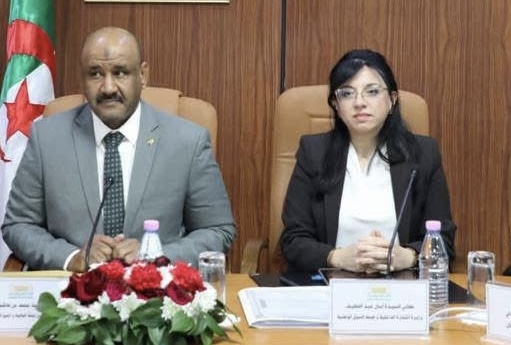
Image: El Mawkie
Takeaway
The Algerian government's intensified focus on domestic trade regulation and food security presents both opportunities and challenges for international investors. Companies involved in food production, logistics, and retail should closely monitor the impact of these regulations on market access and pricing. The emphasis on local production could favor domestic players, while increased scrutiny of imports may create barriers for foreign suppliers. Investors should also assess the potential for public-private partnerships in modernizing Algeria's agricultural sector and improving supply chain efficiency.
Algeria is ramping up efforts to ensure stable food supplies and prices ahead of Ramadan 2026, with a focus on smart market regulation and enhanced food security through digitized management and strict oversight. Minister of Internal Trade and National Market Regulation, Amal Abdel Latif, presented the 2023 budget settlement project related to internal trade and market regulation before the Finance and Budget Committee of the National People's Assembly, chaired by Deputy Muhammad bin Hashem. The session was also attended by Minister of Foreign Trade and Export Promotion, Kamal Rezig, and Minister of Relations with Parliament, Najiba Gilali.
The government's proactive approach, guided by President Abdelmadjid Tebboune's directives, aims to guarantee a stable and comfortable Ramadan for citizens by securing abundance and controlling prices. Preparations began at the end of the previous Ramadan, led by the Ministry of Internal Trade and National Market Regulation. Prime Minister Sifi Ghrieb inaugurated a monitoring mechanism tasked with tracking the supply of the national market with widely consumed goods in anticipation of Ramadan 2026, ensuring citizens' comfort and market stability. This move follows President Tebboune's instructions during the Council of Ministers meeting on February 10, 2026, emphasizing the need to create favorable conditions for citizens during the holy month.
As part of these efforts, 18 neighborhood markets have opened in Sidi Bel Abbès across all 15 districts, implementing directives from the Minister of Internal Trade and National Market Regulation and under the supervision of the Governor. These markets involve 223 economic operators representing various food production sectors. The government is also focusing on purchasing power protection and market stability to ensure citizens can observe Ramadan without financial strain. Authorities have launched coordinated actions under the supervision of the Ministry of Internal Trade and National Market Regulation to maintain a regular supply of essential goods at reasonable prices throughout the country.
The government's strategy includes increased mobilization of trade sector officials, stronger involvement of domestic producers, active participation of consumer protection associations, and close coordination with economic partners. This targeted approach aims to prevent supply disruptions and speculative price increases, ensuring that abundance translates into stable and affordable consumer prices. The establishment of a multi-sectoral commission attached to the Prime Minister's office will monitor market supply and price stability during Ramadan. Specific measures are in place to guarantee cash availability at Algeria Post offices and ATMs, which are typically overwhelmed during Ramadan.
Looking ahead, the newly installed monitoring mechanism and the network of local markets will be crucial in maintaining market stability throughout Ramadan 2026. Continued vigilance and timely interventions will be necessary to address potential disruptions and safeguard the purchasing power of Algerian households. Investors and businesses should monitor the effectiveness of these measures and their impact on consumer spending and market dynamics during this period. Any significant disruptions could signal underlying structural issues in Algeria's supply chains and distribution networks.