Algeria Deploys 390 Direct Sales Points for Ramadan Fisheries, Red Tilapia Priced at DZD 600 (~$4.44)
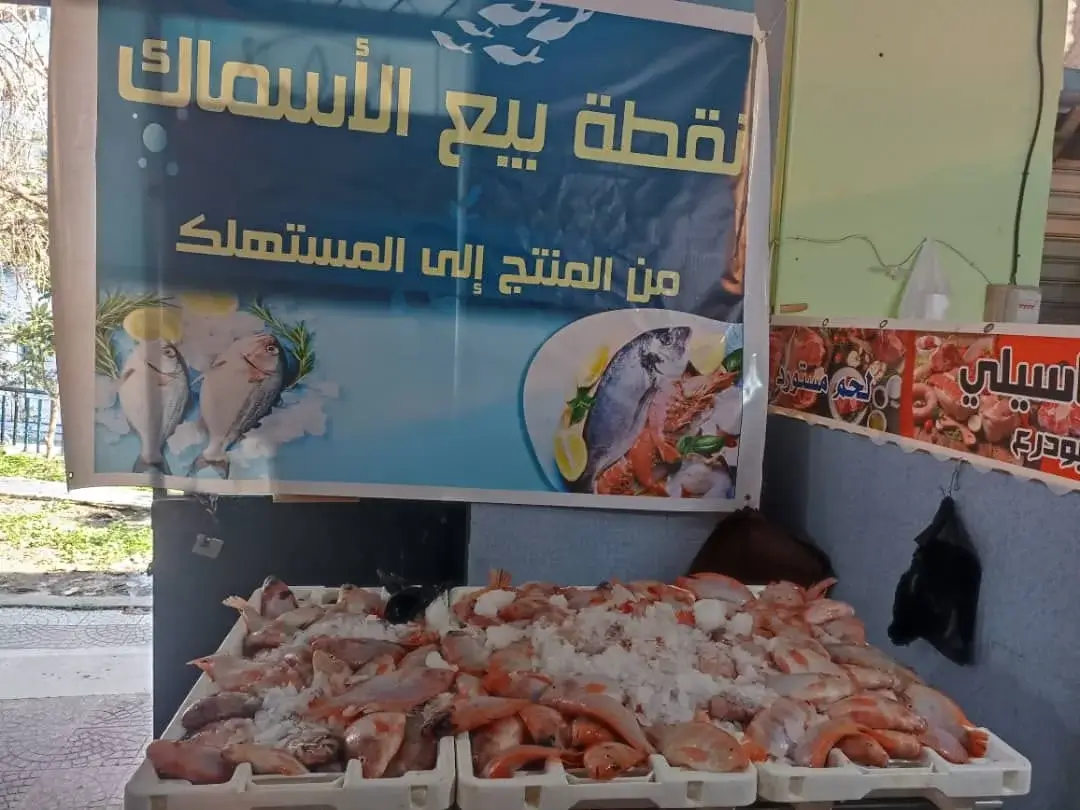
Image: Algerie Eco
Takeaway
The Algerian government's intervention in fisheries pricing during Ramadan highlights the state's role in managing food inflation. Investors in Algerian retail and food processing should monitor ONAB's distribution networks and pricing strategies. Opportunities may arise for companies that can efficiently supply and distribute affordable protein sources, particularly in partnership with ONAB.
Algeria has launched 390 direct sales points for fisheries products across the country to ensure market supply and price stability during Ramadan. The initiative includes 139 points operated by the Office National des Aliments de Bétail (ONAB). The fisheries sector aims to ensure the availability of fish products and stabilize prices for consumers during the holy month.
The move aligns with the Algerian government's broader efforts to diversify its economy and bolster food security. Minister of Agriculture, Rural Development and Fisheries Yacine El Mahdi Oualid and Minister of Domestic Trade and Market Regulation Amel Abdellatif inaugurated a new dairy plant in Rouiba, near Algiers, on the first day of Ramadan, demonstrating the government's commitment to strategic projects. These efforts also address rising seafood prices, as demand outstrips supply, a trend that has been observed in previous years.
The fisheries sector is marketing red tilapia at a fixed price of DZD 600 per kilogram (~$4.44) through these direct sales points. Other aquaculture products, such as sea bream (La daurade), are priced at DZD 1,250 per kilogram (~$9.26). ONAB is also launching a progressive supply of frozen chicken at a fixed price of DZD 330 per kilogram. A first quantity of 2,000 tonnes of frozen chicken will be gradually marketed through various approved distribution channels.
This initiative benefits Algerian consumers by providing access to affordable fish and poultry products during Ramadan, a period of increased demand. The fixed prices for red tilapia and frozen chicken aim to protect consumers from price speculation, which has been a concern in the past. ONAB is increasing the quantities of white meat through its sales points to cover the national market and stabilize prices. The agency also participates in local markets organized throughout the national territory to bring products closer to citizens.
Looking ahead, the success of this initiative will depend on effective distribution and monitoring to prevent shortages and ensure that products reach consumers at the intended prices. The government's focus on developing aquaculture, including partnerships with Spain and South Korea to launch 22 pilot fish farms, indicates a long-term strategy to enhance seafood supply and reduce reliance on imports. ONAB plans to exceed 200 sales points to ensure regular and direct supplies of white meat and consumer eggs to citizens throughout the holy month.