Algeria Cancels Air Service Agreement with UAE Amidst Shifting Bilateral Relations
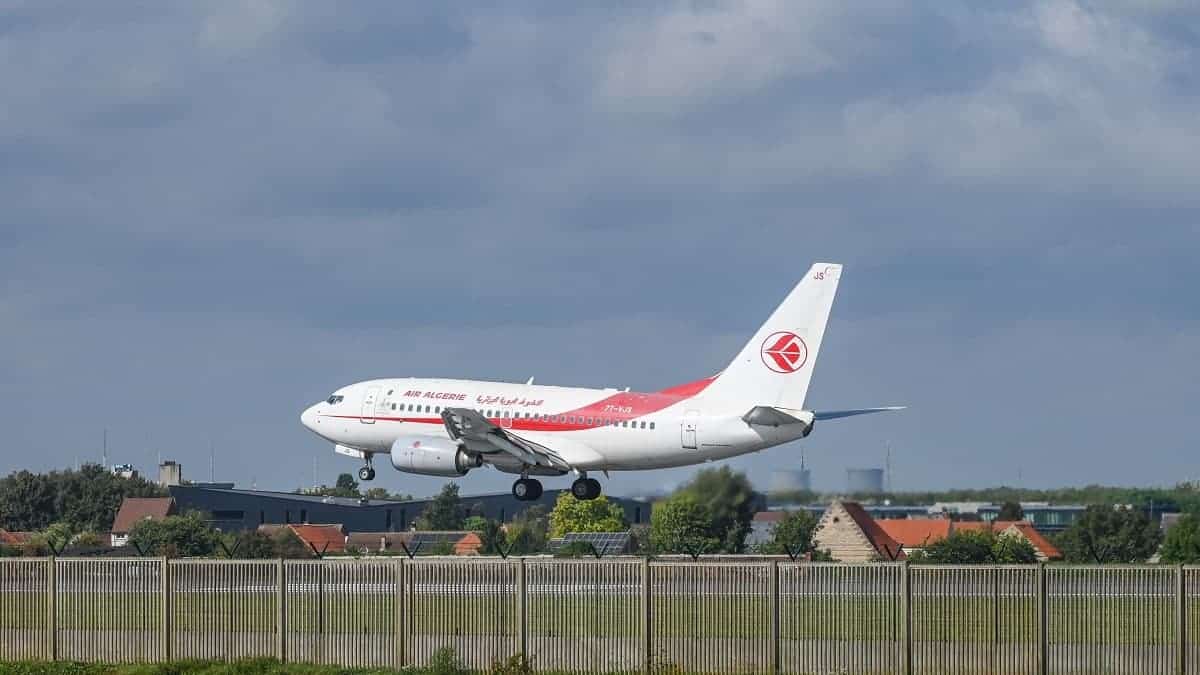
Image: TSA
Takeaway
The termination of the air services agreement creates uncertainty for airlines and logistics companies operating between Algeria and the UAE. Investors should closely monitor the negotiations for new agreements, as these will determine future market access and operational costs. Companies with significant exposure to Algerian-UAE trade flows should diversify their logistics and supply chain routes to mitigate potential disruptions.
On February 7, 2026, Algeria initiated procedures to terminate its air services agreement with the United Arab Emirates (UAE), a pact established in Abu Dhabi on May 13, 2013, and ratified by presidential decree on December 30, 2014. The Algerian Press Service (APS) reported the move, highlighting that Algeria will formally notify the UAE through diplomatic channels and inform the Secretary-General of the International Civil Aviation Organisation (ICAO). The cancellation process adheres to Article 22 of the agreement, which stipulates termination through diplomatic notification and informing the ICAO.
The termination reflects increasing tensions between Algeria and the UAE, with allegations of the UAE interfering in Algeria's internal affairs. President Abdelmadjid Tebboune alluded to strained relations with one Gulf State, hinting at the Emirates. This decision follows a pattern of Algeria asserting its national interests, as seen in its unilateral action on decontaminating French nuclear test sites and its focus on boosting non-hydrocarbon exports. The original air services agreement aimed to promote air transport services between the two countries based on reciprocity and equal opportunities, granting rights such as overflight permissions, landing for non-commercial purposes, and operating international flights for passenger and cargo transport.
The now-defunct agreement guaranteed designated airlines the use of available air routes, airports, and facilities without discrimination, a fundamental principle for balanced competition and smooth air traffic. It also addressed airport and air facility usage fees, stipulating fairness and reasonableness based on economic principles. The agreement obligated both parties to encourage consultations regarding fee adjustments to ensure transparency and prevent disputes. Emirates has confirmed that flights to and from Algeria are operating as scheduled and that they will comply with government directives, with the last scheduled flight expected to depart from Algiers on February 3, 2027.
The cancellation could impact air travel, tourism, and cargo transport between Algeria and the UAE. Airlines, freight forwarders, importers, and exporters should prepare for potential restrictions or adjustments to traffic rights and flight frequencies. Air Algérie and UAE-based airlines like Emirates and Etihad Airways could face higher operating costs or reduced market access depending on how air traffic rights are restructured. A prolonged disruption could deter investment and commercial exchanges by increasing travel and logistics costs.
Investors should monitor upcoming negotiations between Algeria and the UAE regarding potential new air service agreements. Any new agreements will likely redefine traffic rights, flight frequencies, and operational parameters for airlines. The evolving relationship between Algeria and the UAE will be a key indicator of broader shifts in regional geopolitics and economic alliances. Also, Air Algerie organized a technical and consultative meeting with partner travel agencies on February 7, 2026, in Algiers to strengthen communication channels and improve service quality.